






 Portuguese
  Spanish


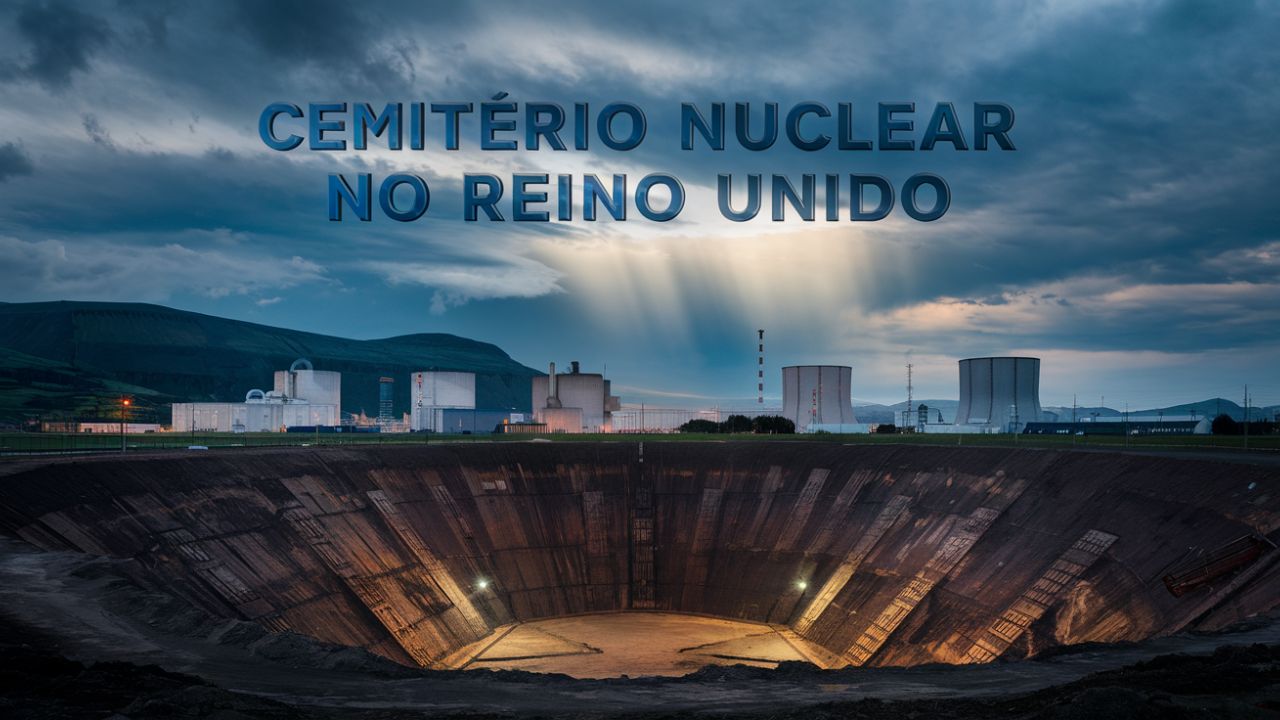


Huge Stockpile Of Plutonium Accumulated In Sellafield Will Be Stabilized And Buried In A Underground Facility, Ensuring Safety For Thousands Of Years And Boosting The Economy Of Cumbria.
Have you ever stopped to think about the fate of nuclear waste? This issue, which seems like something out of a movie, is being faced in an unprecedented way by the United Kingdom. The government has announced an ambitious strategy to bury 140 tons of radioactive plutonium in a deep nuclear burial site, known as a Geological Disposal Facility (GDF). Sounds radical, right? But this decision could mark a new era in global nuclear safety.
A Decisive Step In Nuclear Waste Management
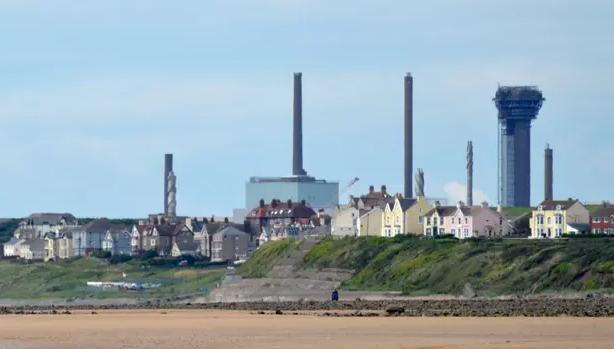
The United Kingdom holds the largest stockpile of plutonium in the world, accumulated over decades at the Sellafield nuclear reprocessing plant in Cumbria. Initially, the material was stored with the idea of reuse in new nuclear fuels. However, the practice revealed high costs, safety risks, and handling complexity.
Now, the focus is on stabilizing the plutonium, a process that transforms the material into a stable substance, similar to ceramic or stone. This change has been praised by the Nuclear Decommissioning Authority (NDA), which believes that the strategy brings long-term stability and safety.
-
Brazil’s 2026 Tax Refund: Record 9.58 Million Filers in Largest Payout Ever, But a Key Detail on Priority Recipients Draws Nationwide Attention

-
Itaú Alters Hybrid Work Model, Increasing Office Days from 2028, Prompting Employees to Adjust to New Routine
-
Facing Labor Shortage, Japan Plans to Invest $34 Million to Attract Foreign Workers in Construction, Healthcare, Industry, and Commerce

-
Brazilian City Makes Remarkable Leap, Becomes 4th Wealthiest in the Country with GDP of R$ 134.1 Billion




The Stabilization Process: Turning Risk Into Safety
Can you imagine turning a highly radioactive material into something as safe as a rock? That is exactly what stabilization does. Plutonium is converted into a resistant and stable form, inspired by minerals that already exist in nature and that can trap radioactive elements for billions of years.
According to expert Claire Corkhill, this approach drastically reduces risks of contamination and storage. It’s like “trapping a dangerous genie inside an unbreakable lamp.”
Economic And Social Impact Of Plutonium In Cumbria
This change is not just a victory for nuclear safety; it is also a driver for economic growth in Cumbria. With substantial investments in research, development, and infrastructure, the Sellafield area will become the hub for nuclear decommissioning in the UK.
The construction of an advanced plant to process and temporarily store the material before final disposal will bring thousands of direct and indirect jobs, in addition to boosting the local supply chain.
The Future Of The Nuclear Burial Site In The UK
According to Interesting Engineering, the icing on the cake of this plan is the GDF, a deep nuclear burial site. But what exactly is it? It is an underground facility designed to safely store radioactive waste for thousands of years. While its construction is not expected to begin until after 2050, the concept is already applauded by scientists and nuclear waste experts.
However, the UK still faces the challenge of identifying the ideal location for the GDF. In the meantime, the plutonium will remain in Sellafield, stored safely until everything is ready for transport and final disposal.
A Global Precedent For Nuclear Safety
By adopting such a robust strategy, the UK is setting a standard for the rest of the world. The approach combines innovation, sustainability, and environmental responsibility, showing that it is possible to address nuclear challenges without compromising the future.
This project is not just about protecting the environment or public health. It is about leading the way in modern solutions to complex issues, a true inspiration for other nations facing similar challenges.








