






 Portuguese
  Spanish
  3 min of reading
  0 comments


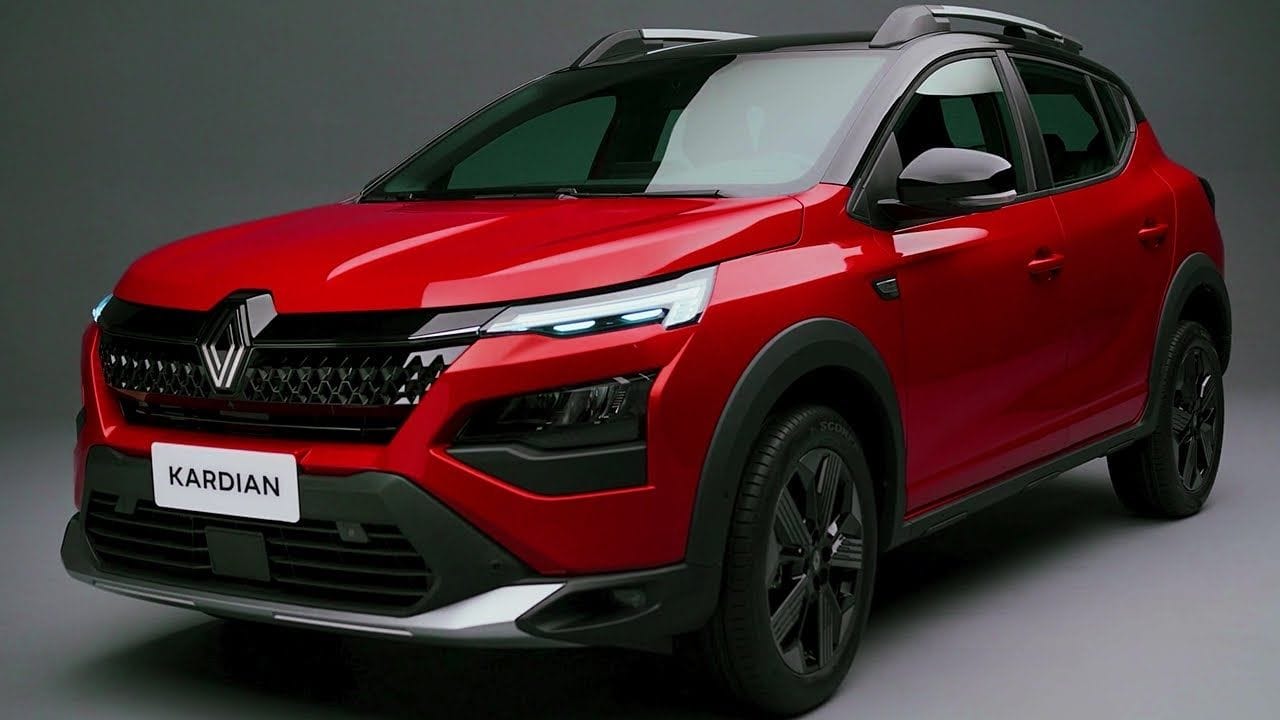
Renault Is Ready to Make a Significant Impact on the Brazilian Automotive Market with the Launch of a New Line of Vehicles, Including a Seven-Seater SUV, the Bigster, Next Generation of the Oroch Pickup, Duster, and the Kardian. These Launches Promise to Combine Modern Design and Advanced Technology, Strengthening the Brand’s Presence in Brazil.
In a bold move, Renault is preparing to introduce vehicles in Brazil that have not yet been revealed even at its headquarters in France. This launch plan puts Renault in a privileged position to compete strongly in the Brazilian market, with a series of innovations and improvements in its models, such as the Bigster, new generation of the Oroch pickup and Duster, and the brand new Kardian.
Renault Bigster


Renault is preparing for a major advancement in the Brazilian market with its upcoming launches. The highlight is the new seven-seater SUV, currently known as “Bigster.” This model, which shares many components with the prototype presented by Dacia, is expected to bring a renewed design and advanced technologies. Consumers can expect features like wireless smartphone charging, an intuitive multimedia center, and a fully integrated Android system.
Duster
In addition to the Bigster, Renault plans to revolutionize the SUV segment with the new generation of the Duster. The model promises a sporty and modern design, combining an efficient 1.3 turbo engine with a more appealing aesthetics. This new approach could significantly increase the Duster’s popularity in Brazil.
-
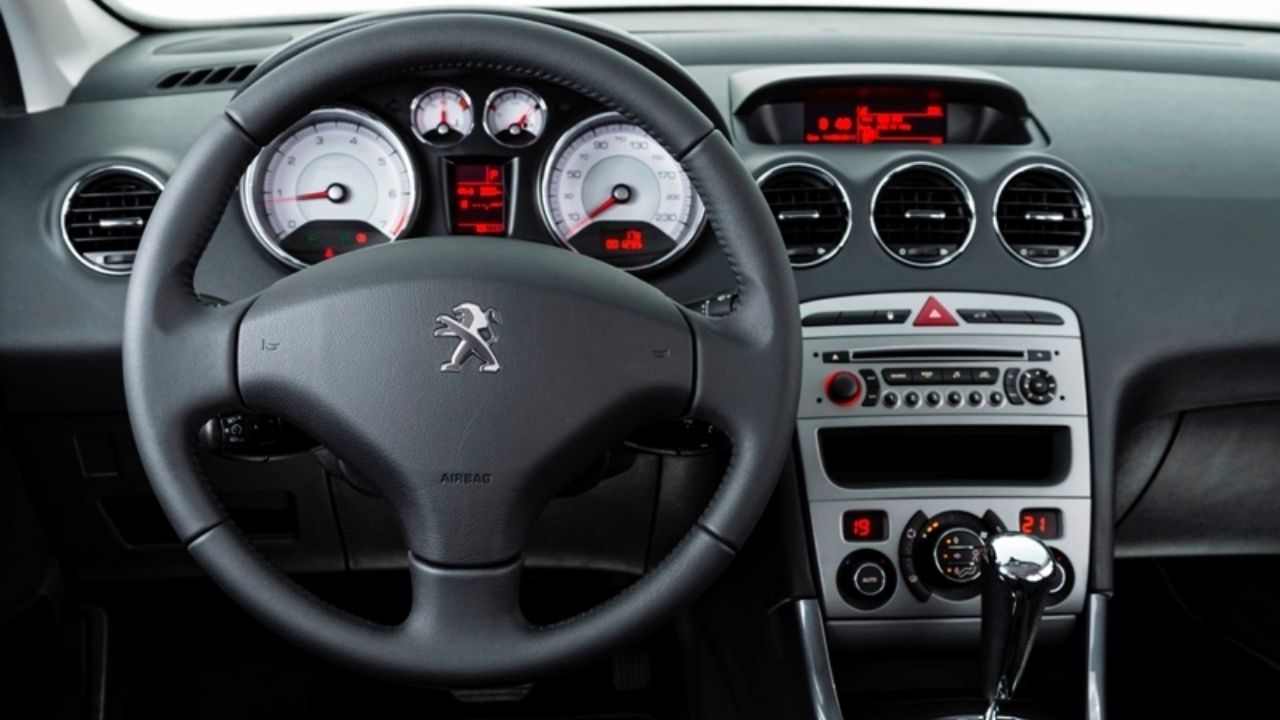
Peugeot 408 Griffe 2015 combines a turbo engine, 0 to 100 km/h in 8.3 seconds, a 526-liter trunk larger than many compact SUVs, leather, multimedia, cruise control, and a sunroof, but it remains off the radar among fully equipped used cars.

-
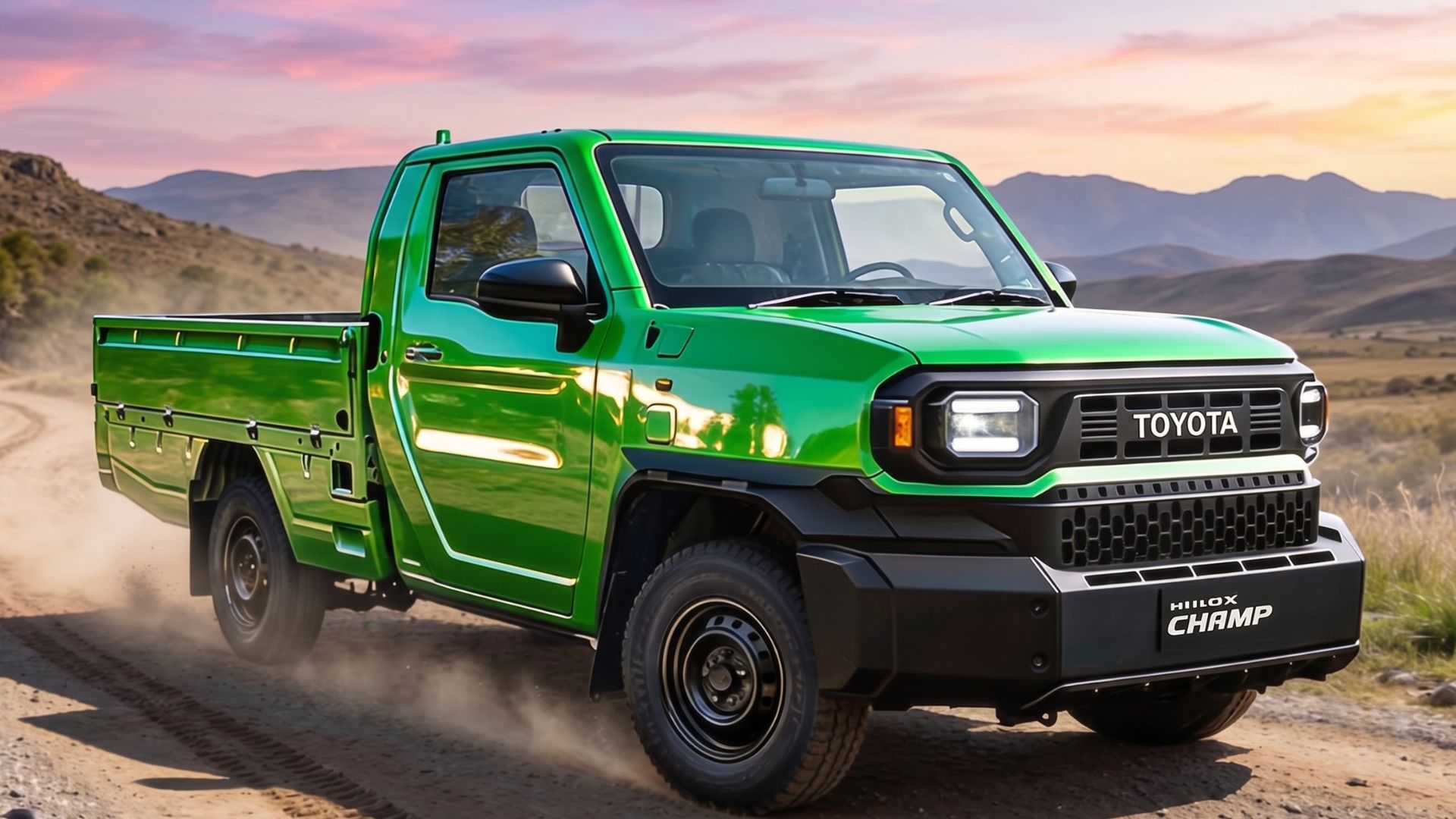
Toyota Hilux Champ emerges as the “mini-work Hilux” that Brazil doesn’t have: for around R$ 81,7 thousand in conversion without taxes, the pickup has a modular chassis, single cab, 2 seats, 2.4 diesel engine, and a popular car price to become a tool for construction, cargo, and small business in Thailand.

-
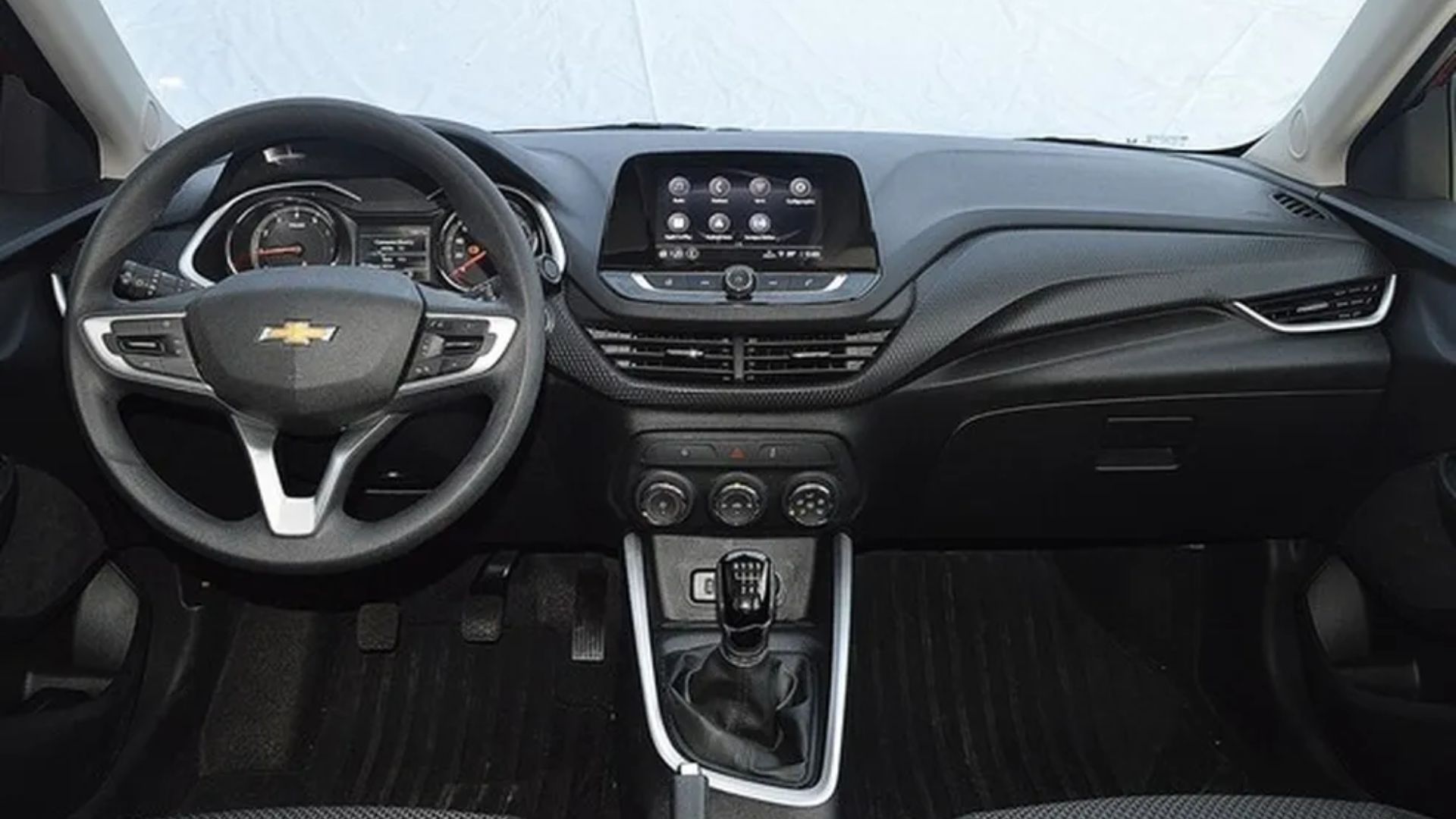
Chevrolet Onix leads the efficiency ranking among flex-fuel cars by Inmetro, achieves almost 18 km/l, and costs less than R$ 100,000.
-
Non-alcoholic beer is not always 0.0%: the drink can appear on the breathalyzer, result in a fine of R$ 2,934.70, suspend the driver’s license for 12 months, and even lead the vehicle to be impounded.


Oroch
Another highly anticipated launch is the new generation of the Oroch pickup. It is expected that the Oroch will incorporate design elements from the Bigster SUV, bringing a futuristic and technological appearance. The combination of innovative design with the already known 1.3 turbo engine could make the Oroch a strong competitor in the market for compact midsize pickups in Brazil.
Regarding engine options, Renault plans to introduce hybrid options for the new Space SUV, which will be launched in France. These options include a 1.2 Turbo engine with two power variants, plus a hybrid configuration with 130 horsepower. For the seven-seater versions, the use of a 1.3 Turbo engine is expected, with power varying between 140 and 160 horsepower.
Inside, Renault vehicles promise to bring a luxurious and technological environment, featuring multimedia centers of up to 10 inches and instrument panels of up to 12 inches. Features such as multifunctional steering wheel, gear shifting on the steering wheel, panoramic sunroof, and LED ambient lighting are expected to enhance the user experience.
Kardian

The Renault Kardian, an SUV that will hit the Brazilian market in 2024, is a milestone for Renault. Utilizing the global CMF platform, which is lighter, safer, and more versatile than the previous one, the Kardian offers a design reminiscent of the old Sandero Stepway, but with significant updates. At 4.12 meters long, 1.75 meters wide, and with a wheelbase of 2.60 meters, the Kardian promises more space than its competitors, as well as a modern and attractive design.
The Kardian is equipped with an innovative engine, a variation of the 1.3 Turbo, but in the 1.0 version, delivering 125 horsepower with ethanol and 220 NM of torque. A notable aspect is the use of a six-speed dual-clutch transmission, aimed at fuel efficiency and performance.
In terms of safety, the Kardian stands out with its six airbags, autonomous emergency braking, pedestrian detection, and blind spot alert. Additionally, it comes equipped with adaptive cruise control, reinforcing its safety and technology profile.
Renault is confident in its new launches, expecting to compete strongly with already established models in the market, such as the Montana pickup from GM. With a combination of innovative design, advanced technology, and efficient engines, Renault is ready to “outperform” the competition and establish itself as a leader in several categories in Brazil.









-

-

4 people reacted to this.