Portuguese
  Spanish


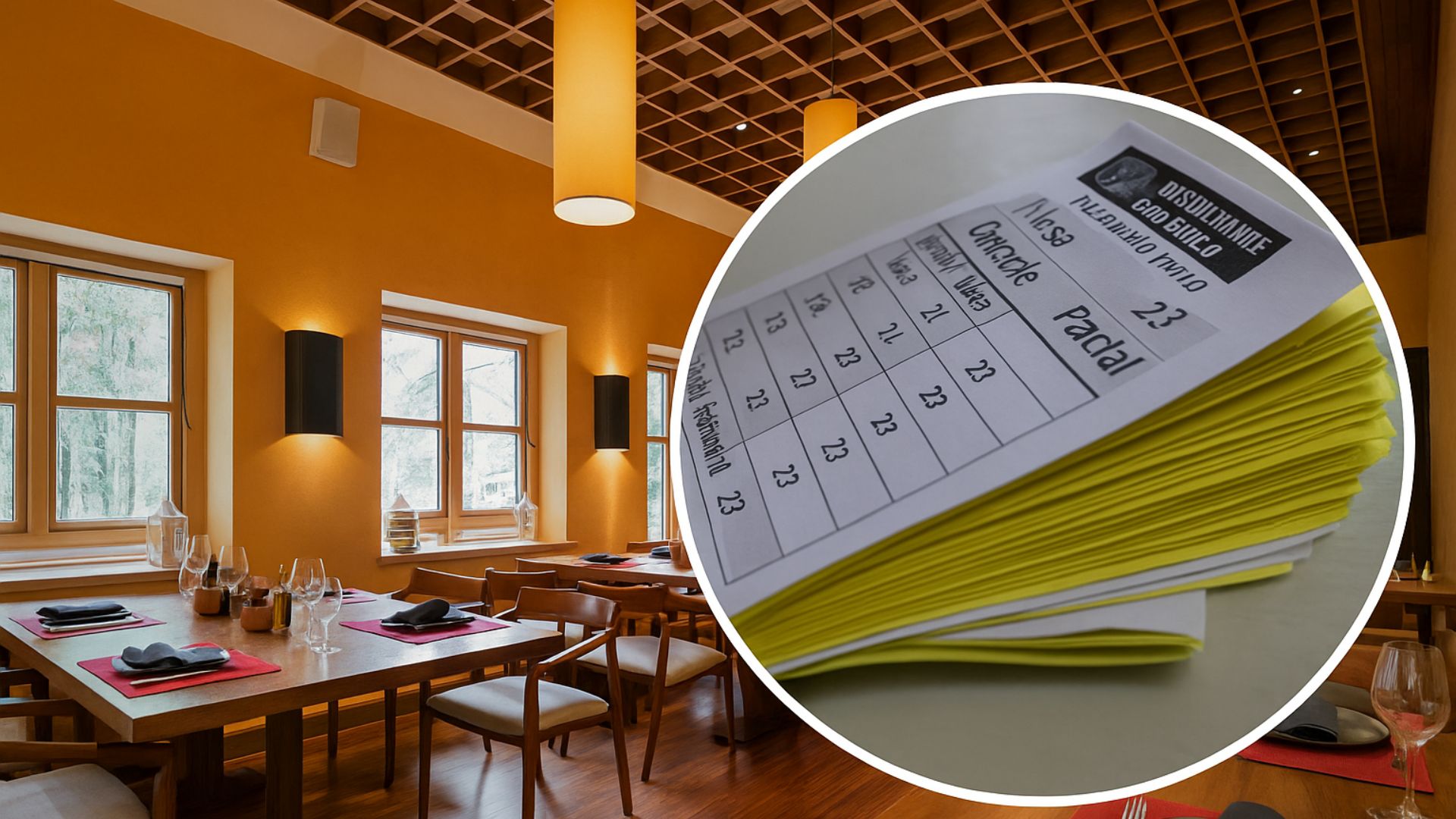

A blackout in Morro Reuter, in Rio Grande do Sul, allowed a restaurant to release more than one hundred customers without immediate charge. Days later, all returned to pay, and the case gained national repercussion for the unexpected reaction of consumers.
A blackout that occurred earlier this month led the Restaurante Picada São Paulo, in Morro Reuter (RS), to release more than one hundred customers without charging for their meals.
The episode, recorded at the beginning of this month, ended with all the consumers returning to settle the bill later, according to the owners.
No loss was recorded, although the initial risk was around R$ 12 thousand.
-
Brazilian State Sets Example by Investing Over $11 Billion in 2,000 Miles of Highways, Transforming Roads into Corridors Linked to Ports Handling 28.87 Million Tons of Cargo

-
The Fragrant Plant That Thrives in Partial Shade and Enhances Your Home’s Entrance with a Daily Garden Scent

-
Latin America’s Deepest Subway Station Opens in Brazil, Featuring London-Inspired Trains and a Tunnel Under the Tietê River
-
4,000-Year-Old Stone Towers Discovered Across Sardinia, Puzzling Archaeologists About This Mysterious Civilization


Power Outage Interrupted Payments
The power outage hit the Picada São Paulo neighborhood around noon, during the peak traffic time.
The card machines and electronic payment system stopped working, making it impossible to pay by card or Pix.
Faced with the situation, the Utzig family, who manages the restaurant, decided to let the customers go, advising them to return when the supply was restored.
According to Silvestre Utzig, one of the managers of the establishment, the team informed consumers about the problem and noted contacts whenever possible.
This measure was taken to avoid queues and maintain the organization of the place while the problem was being resolved.
Return of Customers
In the following days, 104 people returned or made transfers to settle their bills, according to a statement from the owners.
The payments were made spontaneously, without direct charge.
According to the businessman, some customers returned on the same day, while others paid after the service was normalized.
The decision, he said, was based on trust and the close relationship with the public that frequents the restaurant.
Repercussion on Social Media and in the Press
The story gained traction in local and national portals, such as NB Notícias and Estado de Minas, and was widely shared on social media.
The publications highlighted the return of customers as an example of ethical behavior in unforeseen situations.
Researchers in the field of social behavior interviewed by the press assert that cases like this tend to generate positive repercussion because they highlight situations of reciprocity and trust, especially in small communities.
Local and Historical Context of the Restaurant
With just over 7 thousand inhabitants, Morro Reuter is a small town in the gaucho interior influenced by German colonization, which is reflected in its cuisine and community life.
The Restaurante Picada São Paulo, located along the BR-116, is known for serving typical food and for receiving both locals and travelers.
On the Sunday of the blackout, the traffic was heavier than usual, as some customers were attending a motorcycle gathering in the area.
The combination of high demand and the power outage led the owners to opt for an emergency solution.
Estimate of Loss and Settlements
The total value of the unpaid meals at the time of the blackout was estimated to be approximately R$ 12 thousand, according to the owners.
Since all payments were made later, the restaurant’s cash register closed without losses.
Reports released by local press indicate that some customers made transfers as soon as power was restored, while others returned to the establishment in person.
In some cases, neighbors helped locate customers who had not yet settled their bills.
Interpretation and Developments
Experts in organizational behavior assess that episodes like this reinforce trust bonds in small communities, where there is greater direct contact between merchants and consumers.
According to them, transparency and immediate dialogue tend to stimulate responsible attitudes from both parties.
After the repercussion, business people from other cities sent messages to the Utzig family reporting similar situations and praising how the case was handled.
According to the owners, the episode also motivated other establishments in the region to adopt preventive measures for power outages, such as manual records and alternative payment channels.
Honesty and Social Context
According to sociologists consulted by the press, the case in Morro Reuter reflects cultural practices associated with mutual trust in smaller locations, where interactions among residents are closer.
They emphasize, however, that isolated examples do not necessarily represent a national trend, although they serve as a positive reference.
Researchers also point out that, in highly digitized environments, technical interruptions can reveal the importance of social values such as individual responsibility and credibility.
In the case of Morro Reuter, the complete return of payments reinforced, according to them, the role of everyday ethics in commercial relationships.