






 Portuguese
  Spanish
  3 min of reading
  16 comments


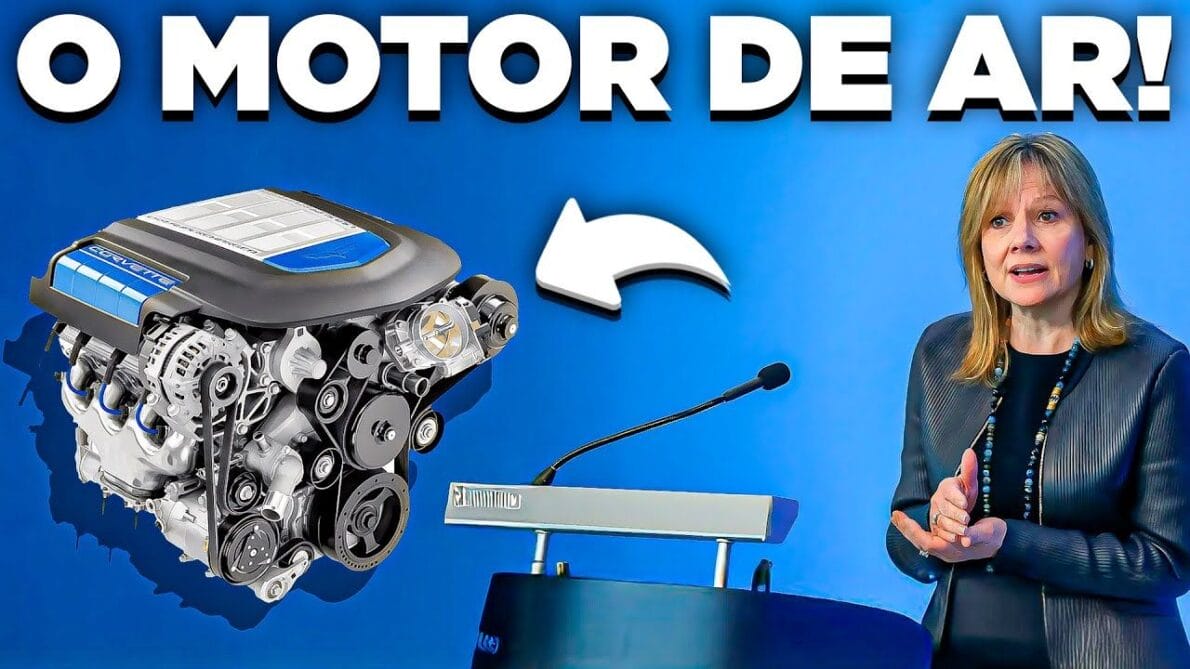

General Motors Announces An Innovation That Promises To Revolutionize The Automotive Industry. Discover How The New Engine Could Render Electric And Internal Combustion Cars Obsolete, Forever Changing The Way We Move.
Have you ever imagined a world where cars are incredibly efficient and pollution-free? General Motors has just unveiled a new engine that promises to do exactly that. This revolutionary engine could change the way the electric and internal combustion car industries operate, rendering them obsolete.
The CEO of General Motors presented this technology at a major automotive event. Expectations were high, but the announcement exceeded all expectations: a compressed air engine that promises unprecedented efficiency and zero emissions of pollutants.
General Motors CEO Surprised Everyone By Unveiling A Compressed Air Engine
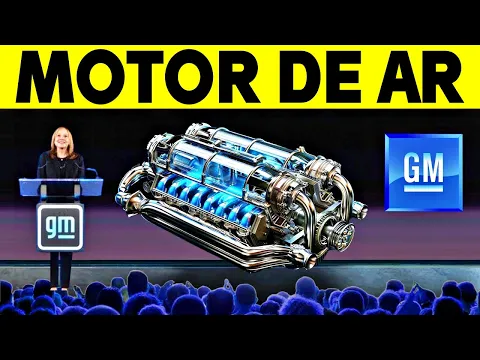

During the last major automotive event, the CEO of General Motors surprised everyone by revealing a compressed air engine. This engine is seen as a sustainable alternative to internal combustion and electric engines, with the promise to transform the automotive industry.
-
Two new 300cc models from QJ Motor are expected to arrive in Brazil as SBM to target the CB 300F and shake up the low-displacement market, with more power and liquid cooling than Honda.

-
Camaro may reappear in 2027, but not as you remember: Chevrolet prepares the return of the icon with four doors, manual transmission, and an extreme performance version to face the new era of sports cars.

-
Is the BYD Song Pro worth it? The Anderson Sincero channel says it doesn’t exceed R$ 140,000, and the price dropped by R$ 47,000, reinforcing the depreciation of the plug-in hybrid in the Fipe table.
-
Caoa Changan CS75 arrives for R$ 199,990 with 4.77 m in length, a trunk of up to 1,620 liters, 8-speed Aisin transmission, 180 hp, 37.2 inches in screens, and Zero Gravity seat with massage.


Technology has been a priority for General Motors, which has invested years of research and collaboration with engineers, environmental scientists, and renewable energy specialists. The new engine is a direct response to the growing global environmental challenges, promising unprecedented efficiency and zero emissions of pollutants.
How The Compressed Air Engine Works
The compressed air engine works differently from conventional engines. Instead of burning fossil fuels or using electricity, it uses the force of pressurized air to move the pistons. This results in efficient and clean propulsion, without emission of pollutants.
The engine’s cylinders store air under high pressure, which is released in a controlled manner to generate movement. This process can be repeated indefinitely, with the air being re-compressed using the energy generated by the vehicle’s own movement or through renewable sources, such as solar or wind energy.
Environmental And Economic Advantages
The General Motors compressed air engine offers several environmental and economic advantages. In addition to eliminating emissions of harmful gases, the cost of compressing air is significantly lower than the costs associated with oil production and refining.
Another advantage is the reduced maintenance. The simplified design of the compressed air engine and the fewer components subject to wear result in less need for repairs, providing long-term savings for consumers.
Compressed Air Energy Density Is Lower Compared To Traditional Fuels
Like any innovation, the compressed air engine faces significant challenges. The energy density of compressed air is lower compared to traditional fuels, resulting in a shorter range. Additionally, the refueling infrastructure for compressed air vehicles is still virtually non-existent, requiring substantial investments.
General Motors is aware of these challenges and is continuously investing in research and development to improve the efficiency and commercial viability of compressed air engines. This includes developing lighter and more durable materials and technologies for quicker and more efficient refueling.


Vale lembrar que energia não pode ser criada. De onde virá a energia para comprimir o ar? Sem chance de isso dar certo.
E a segurança dessa bomba dentro do carro??
Buscando a Eficiência Energética, pode-se articular os freios de maneira que o sistema seja a base de frenagem por compressão, fazendo aumentar a autonomia do veículo.
Em vez de transformar a Energia Cinética do Veículo em calor (atrito das pastilhas com o disco de freio), a transforma em compressão.