Portuguese
  Spanish


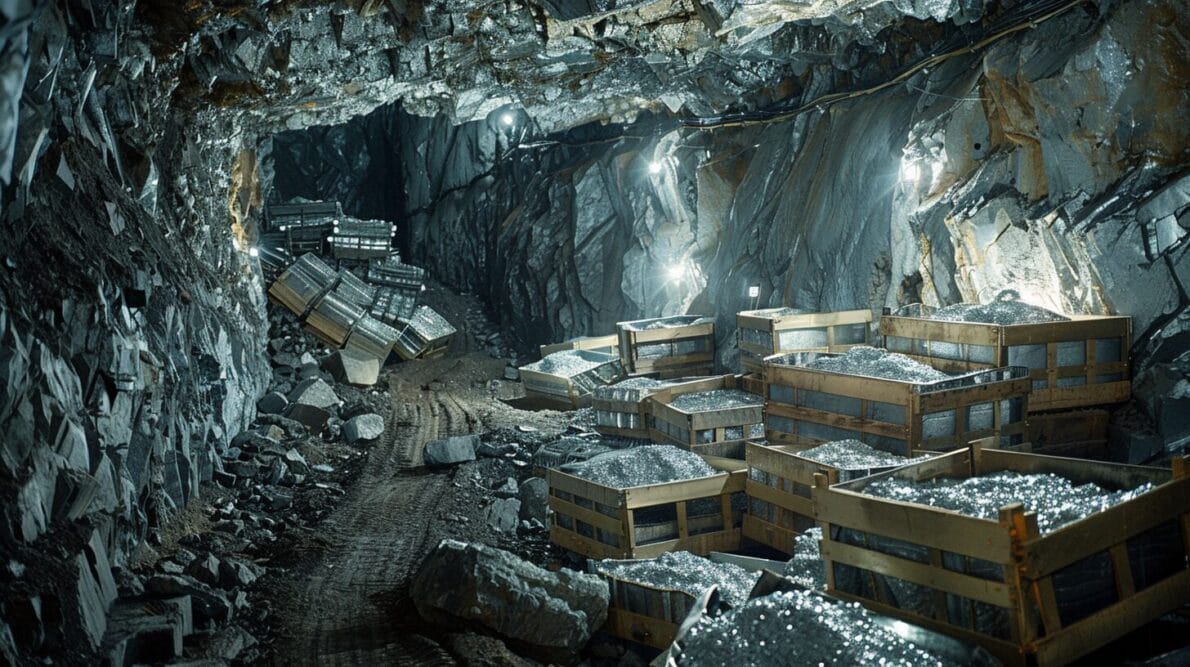

Do You Know The Largest Silver Mine In The World In Latin America, Active For Over 500 Years? Discover Today The Potosí Deposit In Bolivia, Home To Vast Silver Reserves.
Potosí, a city in south-central Bolivia, located at the foot of the Cerro Rico mountain, is home to the largest silver mine in the world in Latin America. The Potosí deposit is famous for containing large amounts of silver, and because of this, the city became one of the largest cities in the world in the early 17th century.
The largest silver mine in the world is located in Potosí, Bolivia, and is known as the Potosí Deposit. Discovered in the 16th century, the mine has been a constant source of silver for over 500 years, playing a crucial role in the economic history of Latin America and the world. During the colonial period, the Potosí mine was one of the largest sources of wealth for the Spanish Empire, fueling the European economy with large quantities of silver. The city of Potosí, situated near the mine, became one of the richest and most populous in the world during the colonial period due to the abundance of extracted silver.
How Did The History Of The Potosí Mine Begin?
When the Spaniards accidentally discovered the “New World,” they were fascinated by gold. However, what truly enriched Spain was not the Eldorado that was never found, but silver.
-
France Revamps 530 Social Housing Units with Large Balconies and Glass Facades Without Demolishing Existing Buildings

-
10-Year-Old Max Makes History with Paris Fashion Show, Launches Own Brand, Hires Staff, and Sets World Record as Youngest Runway Designer

-
Bolivian Female Construction Workers Form Association to Combat Discrimination and 38% Pay Gap in the Industry
-
Near Amsterdam, residents buy land and discover they must also build streets, manage drainage, handle waste, and grow food on half their plot.




In the Andean mountains, there was a silver hill so large that it would cause a remote Incan village nearby to become the fourth largest city in the Christian world in just 70 years. This is the Potosí Deposit, which currently occupies territory in Bolivia.
The extraction of the largest silver mine in Latin America funded the creation of the most advanced industrial complex of the time and would define economic fortunes from China to Western Europe. At its peak, in the early 17th century, 160,000 people lived in Potosí, including Native Americans, African slaves, and Spanish settlers.
American silver from the Potosí mine began crossing the Atlantic a few years after its discovery. The volume grew from a modest 148 kg per year in the 1520s to nearly 3,000 tons per year, 70 years later.
How Much Silver Does The Mine Still Have?
According to information found on various websites, the Cerro Rico mine in Potosí, Bolivia, has produced over 60,000 tons of silver since the 16th century. Current estimates suggest that a significant amount of silver still remains in the mine, but exact figures vary.
Assuming that the mine still retains about 10% of what has already been produced, a rough estimate would be about 6,000 tons of silver remaining. However, this is merely an estimate and precise data requires specialized sources and specific mining reports.
Check The Current Situation Of The Largest Silver Mine In The World In Latin America
Since then, the city of Potosí, which was once the largest in the Americas and represented the economic and cultural splendor of the continent, still relies on this valuable resource, and its infrastructure has been developed based on mining.
In light of the extraction and blasting of dynamite, the Potosí Deposit has changed color and size and has become a true “Swiss cheese,” filled with tunnels and paths.
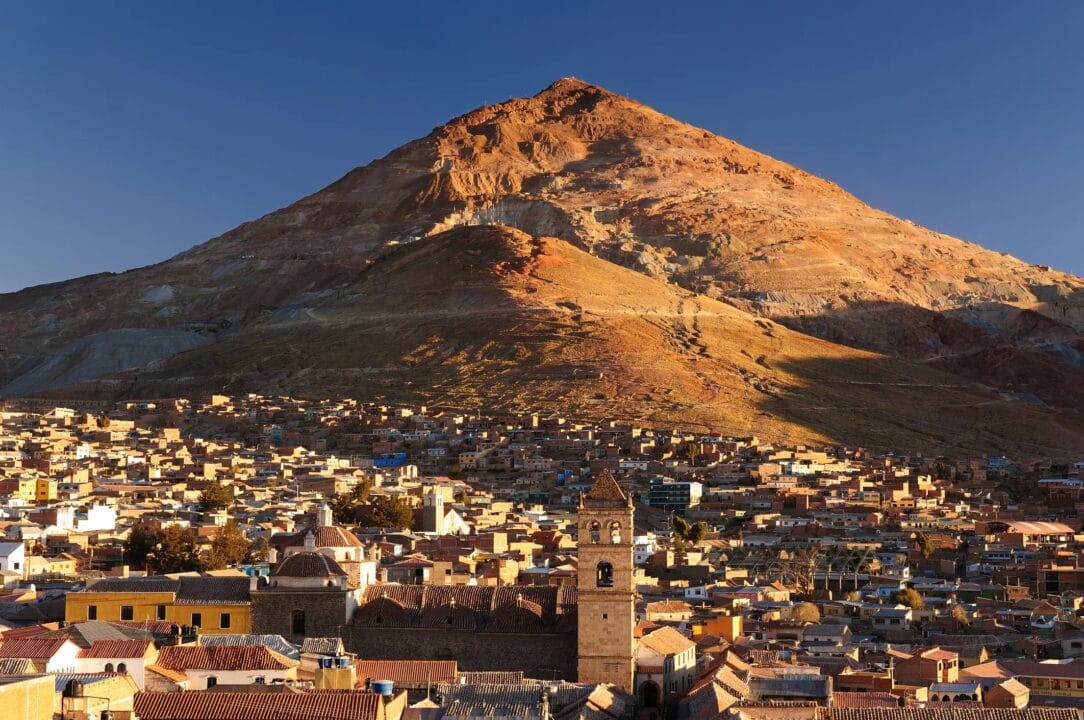
According to the guide of the Potosí mine, which receives tourists from various regions of the world, currently the mountain of the largest silver mine in Latin America is explored through a cooperative system. There are 37 cooperatives operating in Cerro Rico. There is not as much silver anymore, but extraction continues mainly for tin and other minerals.
The Potosí Deposit is not only famous for its historical production, but also continues to be an important source of silver to this day. Modern mining techniques have allowed for efficient and sustainable extraction, preserving the legacy of the mine while contributing to the local and global economy. In addition to silver, the mine also produces other valuable minerals, such as zinc and lead, reinforcing its economic importance. The Potosí mine is a lasting testament to Bolivia’s mineral wealth and its ability to influence the global economy through the centuries.
The Daily Life Of The Potosí Mine

In this article, you can get an idea about the everyday life of the miners of the largest silver mine in the world in Latin America, learn about the mystical beliefs of local communities, and feel the atmosphere of the environment.
For tourists, the tour begins with a meeting for safety guidelines and information on equipment use. On the way to the Potosí Deposit, tourists pass through a local mining market, where they can see mining materials and buy small gifts to give to the workers, such as coca leaves.
Next, tourists are guided to the Potosí mine, where they can explore the local work environment alongside a professional guide. Before entering the mines, visitors are provided with a safety jacket, pants, rubber boots, helmets, and an electric lantern.
During the tour inside the tunnels of the largest silver mine in the world in Latin America, it is possible to see statues to whom the miners turn for protection, learn about the work routine, and talk with the miners.