Portuguese
  Spanish


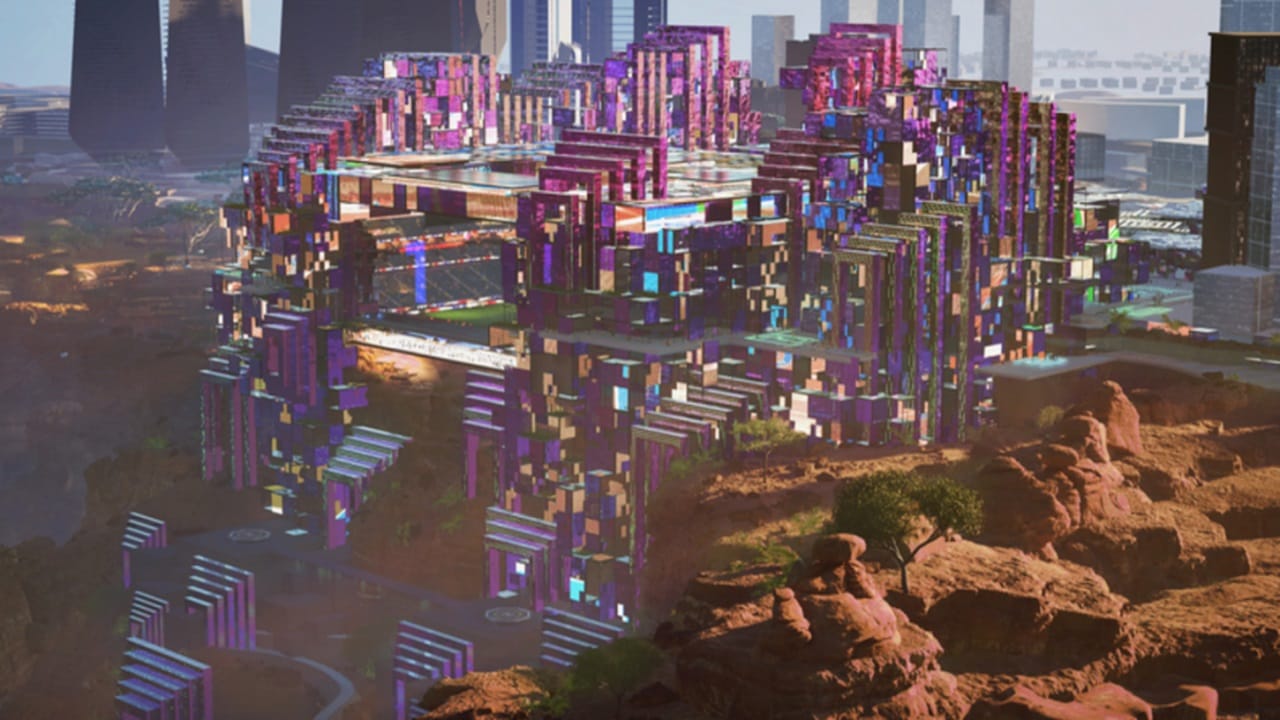

Unraveling The Future: Mohammed Bin Salman Stadium And Its Impact On Saudi Arabia
According to the website Engenharia Hoje, the renowned American architect Populous surprises the world by revealing the ambitious project of the Mohammed Bin Salman Stadium, the epicenter of the new entertainment district in Saudi Arabia. With a capacity to accommodate 45,000 spectators, this stadium promises to radically transform the sporting and cultural experience in the region, leaving a lasting legacy.
Visionary Features: The 2034 World Cup Stadium In Saudi Arabia And Its Multi-Purpose Space
Strategically located in Qiddiya, near Riyadh, the stadium in Saudi Arabia will be a pioneer in construction for the FIFA World Cup 2034. With a bold design, it stands out for its retractable roof and LED wall, enabling the hosting of various large-scale events. In addition to exciting football matches, the space will host a variety of events, such as concerts, high-definition film screenings, and incredible laser shows, taking advantage of its unique location next to the majestic Tuwaiq cliffs.

Lasting Legacy: Mohammed Bin Salman Stadium After The World Cup
After the prestigious sporting event concludes, the project foresees that the stadium will become the new home of the acclaimed football clubs Al-Hilal and Al-Nassr. The strategic choice of Saudi Arabia as the host for the 2034 World Cup underscores its unique position in the global sporting landscape. The project, led by the Populous group in Saudi Arabia, ensures that the stadium will continue to be a landmark, hosting major post-World Cup competitions, such as the Saudi King Cup, the Asian Cup, and possibly the Asian Games of 2034. This is truly a transformative chapter in the sporting and architectural history of the region, promoting cultural and sporting development in an unprecedented way.
-
AI-powered toys that talk, recognize faces, and collect data face scrutiny from Brazilian government over children’s privacy concerns

-
4,000-Year-Old Child’s Skull Unveils Ancient Burial in 7,500-Year-Old Norwegian Rock Shelter, Impressing Archaeologists

-
Norway Defeats Brazil in World Cup but Invests Billions to Preserve the Amazon, Strengthens Amazon Fund, and Joins Brazil in Leading Global Effort Against Tropical Deforestation

-
Denmark Constructs Its Largest Breakwater with 175 Concrete Blocks and World’s Largest Excavator to Combat 8-Meter Waves, at a Cost of $156 Million