Portuguese
  Spanish




Revitalization of Tupi Field: A New Era for Brazilian Oil
The Tupi Field, one of Brazil’s largest oil fields, is set to undergo a revitalization that promises to transform the country’s energy landscape. This ambitious project aims not only to increase production but also to bring significant technological and economic advancements. But what is really behind this initiative and what will its impacts be?
What is the Tupi Field?
Located in the Santos Basin, the Tupi Field is one of the gems of Brazil’s pre-salt region. Discovered in 2006, it quickly became one of the country’s main assets due to its vast reserves of high-quality oil. Production in the field began in 2010 and has since been a pillar of the national oil industry.
Why Revitalize Now?
The revitalization of the Tupi Field comes at a crucial time for Brazil. With the global demand for energy constantly growing, there is an urgent need to maximize the efficiency and production of existing fields. Additionally, the introduction of new technologies can reduce costs and increase the sustainability of operations.
-
OPEC+ Boosts Oil Supply by 188,000 Barrels per Day in July 2026, Leading to Price Drop from $112 to $89 per Barrel in Under Two Months

-
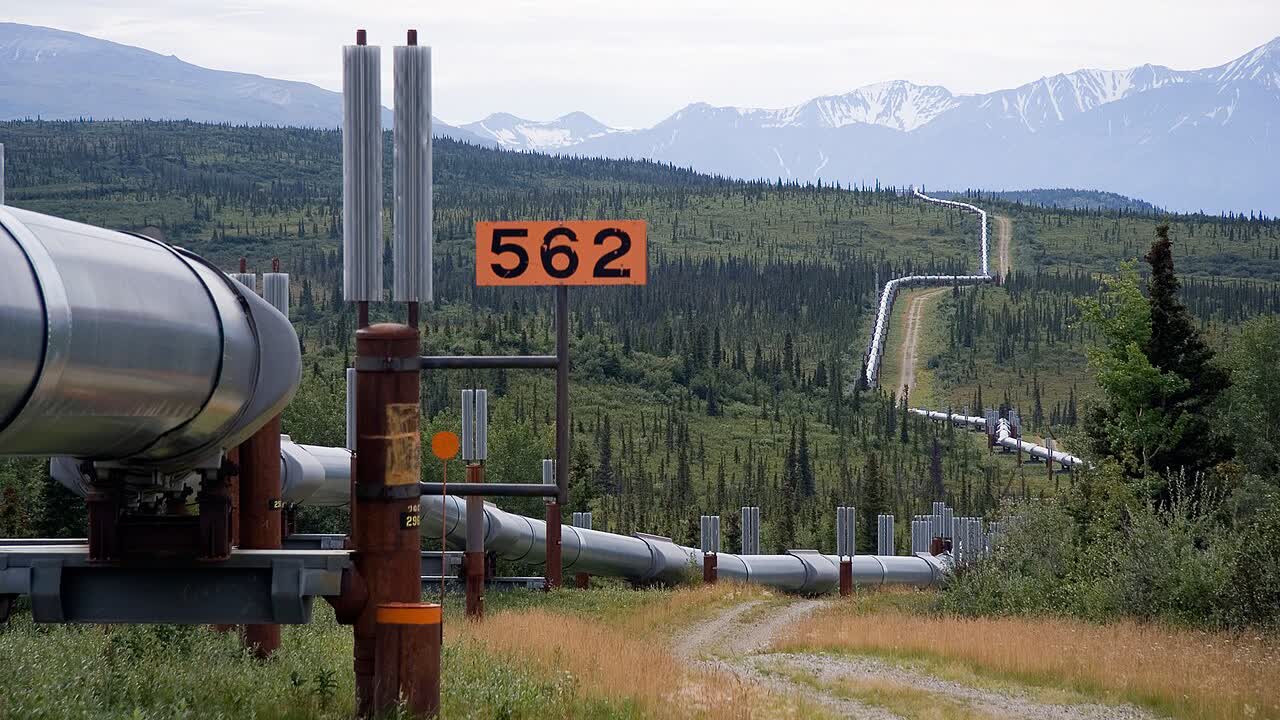
TotalEnergies Signs 20-Year Deal to Purchase 2 Million Tons of LNG from Alaska, Boosting Project Viability
-
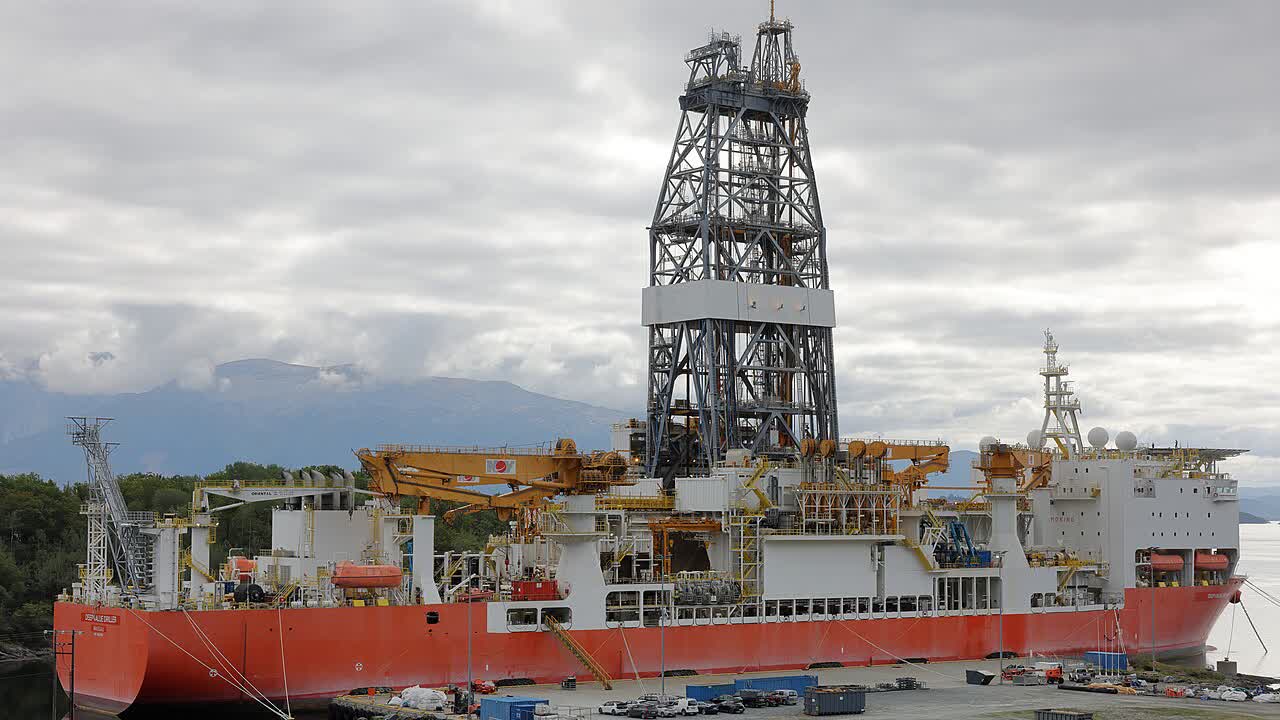
Turkey Deploys Çağrı Bey Drilling Ship to Explore New Oil Frontier Off Somalia’s Coast
-
Golden Pass LNG Ships First Liquefied Gas Cargo from the U.S., Completing $10 Billion QatarEnergy and ExxonMobil Investment

Economic and Technological Impacts
The revitalization promises to boost the Brazilian economy in several ways. First, a significant increase in oil production is expected, which could lead to a new economic boom. Furthermore, the implementation of cutting-edge technologies may position Brazil as a leader in innovation in the energy sector.
- Production Increase: The expectation is that production in the Tupi Field will increase by up to 30% in the coming years.
- Technological Innovation: New extraction and monitoring techniques will be introduced, improving efficiency and reducing environmental impact.
- Job Creation: The project is expected to create thousands of direct and indirect jobs, strengthening the local economy.
Challenges and Considerations
Despite the promises, the revitalization of the Tupi Field is not without challenges. Environmental and regulatory issues need to be carefully managed to ensure that the project is sustainable in the long term. Additionally, the volatility of oil prices in the global market can affect the project’s economic viability.
Conclusion: A Promising Future?
The revitalization of the Tupi Field represents a unique opportunity for Brazil to reaffirm its position in the global energy landscape. With the potential to boost the economy and promote technological advancements, this project could be a turning point for the country. However, success will depend on careful management and a balance between economic growth and environmental sustainability.
What does the future hold for the Tupi Field? Only time will tell, but expectations are high and the eyes of the world are on Brazil.