Portuguese
  Spanish



Hydrogen and Natural Gas Engine: 2000 HP, Generating 1,521 kW and Zero Emission. Advanced Technology That Guarantees Clean and Efficient Energy, Only with Water Vapor as Waste
Rolls Royce surprises the world with a hydrogen and natural gas engine. It is said to be 2,000 HP with a unique emission of water vapor. Renewable hydrogen plays a key role in the decarbonization process the world is undergoing. It is an important vector for sustainable mobility with versatile applications.
In fact, it is posited as a key fuel in the energy transition. It is a vital sustainable solution with significant advantages for the sector, such as its abundant presence in the world. It is the most abundant element in the universe and the tenth in the Earth’s crust, although it is not visible to the naked eye. It is colorless, odorless, tasteless, and imperceptible.
Another of its great benefits is its null environmental footprint. It does not generate greenhouse gas (GHG) emissions, as vehicles powered by hydrogen only emit water as their only waste.
-
Scientists Discover 125-Million-Year-Old “Pregnant Fossil” with Preserved Embryos and Microscopic Larvae Inside Mollusk in England

-
17-Year-Old Justin Bernstein Develops Bacteria to Produce Glass on Arctic Ice to Reflect Sunlight, Wins $50,000 U.S. Scholarship

-
The 19-Meter Rocket-Helicopter: A Private Industry Prototype That Challenged Space Race Logic

-
Brazilian Students Convert Seized Illegal TV Boxes into Linux-Powered Mini Computers for Schools and Social Projects Across São Paulo




Rolls Royce Takes a Risk with a Hydrogen and Natural Gas Engine
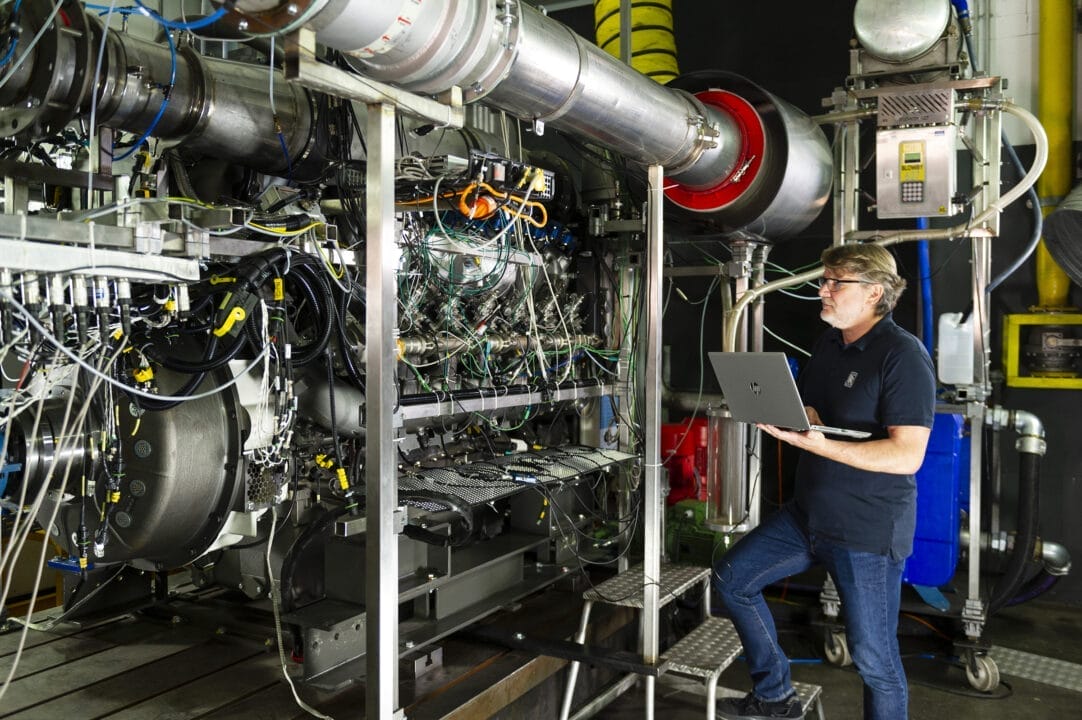
Rolls Royce has successfully tested the mtu Series 4000 engine adapted for hydrogen. The tests showed satisfactory results in terms of efficiency, performance, and combustion. They recorded emissions well below regulatory requirements.
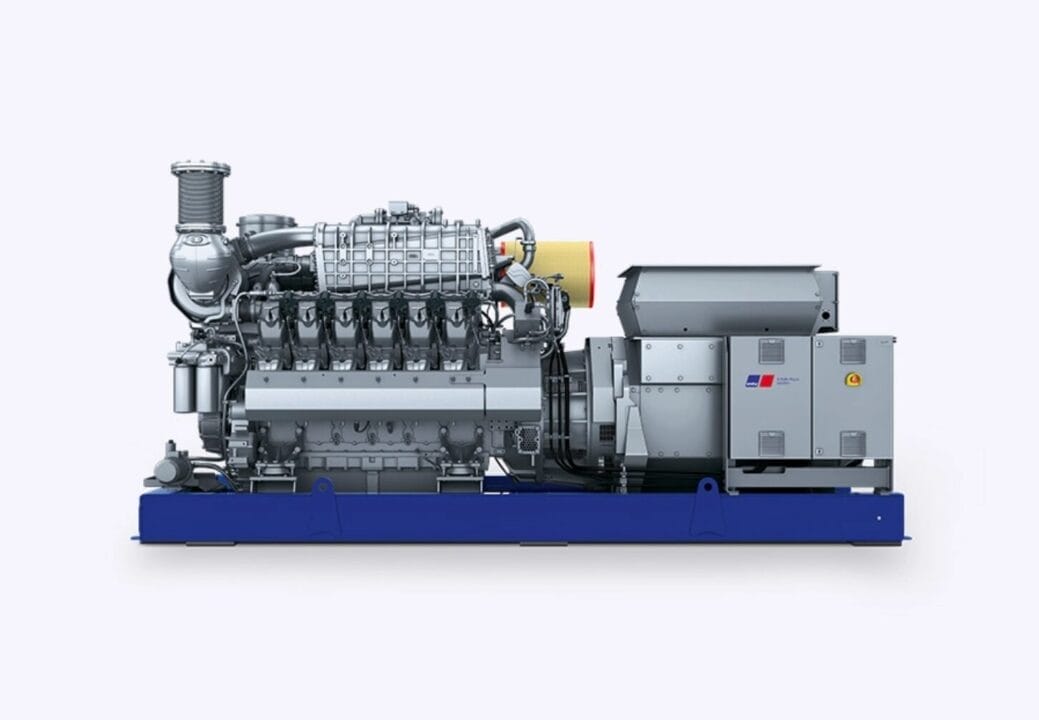
Rolls Royce has just announced the successful execution of the first tests of an mtu Series 4000 L64 engine adapted to run on hydrogen. A huge propulsion system designed to function as a generator set, which already has its first trials planned in a real-world context.
The tests were conducted by Rolls Royce’s Power Systems division. Its success marked an important step towards the commercial introduction of hydrogen technologies to meet customer demand for more sustainable energy. Generally, this engine runs on natural gas.
However, due to the differences in hydrogen combustion, some components were altered, such as the fuel injection method, the turbo, the design of the pistons, and the electronic control of the engine.
The mtu engine was tested on a test bench for several months. During this period, improvements were made regarding its efficiency and performance, as well as hydrogen combustion. This last aspect is crucial.
According to the company, when this engine runs on hydrogen, the emissions are so low that no after-treatment of the exhaust gases is necessary to comply with the strict emission limits of the European Union.
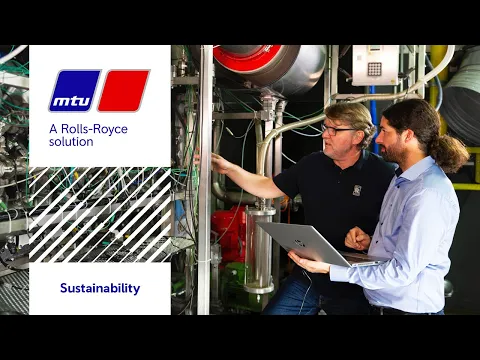

The Impact of the Hydrogen and Natural Gas Propulsion System by Rolls Royce
Emissions can be further reduced using green hydrogen. In this case, the engines can be CO2 emission neutral. Additionally, this technology presents another advantage: it can be applied to gas engines that are already in operation, as the company offers the opportunity to convert them.
The engine features 12 V cylinders with a total displacement of 57.2 liters. When fueled with natural gas, it delivers 1,521 kW of maximum power (50 Hz), equivalent to 2,069 HP.
The first installation of hydrogen mtu engines is planned for a new container terminal in the Duisburg river port (Germany). In the future, most of the electricity required at the port will be produced there from hydrogen.
This will be achieved using two combined heat and power plants with mtu Series 4000 hydrogen engines (with a total capacity of 2 MW) and three fuel cell systems (with a total capacity of 1.5 MW). In this way, Rolls Royce positions itself in the spotlight with its bet on the hydrogen engine.