






 Portuguese
  Spanish
  3 min of reading
  0 comments


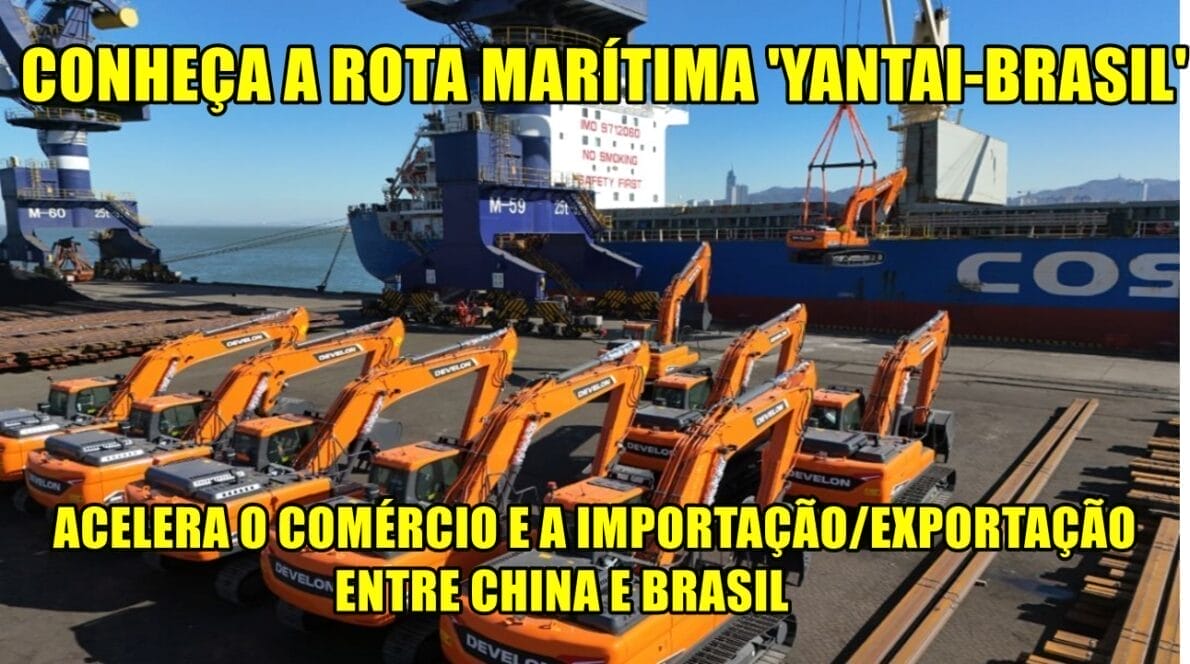
Discover the New Maritime Transport Route ‘Yantai-Brazil’ That Promises to Strengthen Trade Relations Between China and Brazil
Last Wednesday, a significant milestone was achieved in the international trade between Brazil and China with the departure of the first ship on the new maritime transport route “Yantai-Brazil”. This remarkable event took place at the Port of Yantai, located in Shandong Province on the east coast of China.
The ship, a massive vessel loaded with excavators and various other construction machinery, set sail for the Port of Vitória in Espírito Santo, marking the beginning of a new chapter in bilateral trade relations.
Reduction of Timelines and Increased Efficiency in Maritime Transport
The voyage, which will last approximately 40 days, symbolizes not only the expansion of port operations at the Port of Yantai but also the enhancement and logistical efficiency that this new maritime transport route offers to the global market. The Port of Yantai, known for being a central hub in general cargo logistics in northern China, recently introduced an advanced model for smart inventory counting and storage. This innovation is transforming the Port into not just a transit point for goods, but a key piece in the global supply chain puzzle, facilitating and stabilizing the flow of essential products.
-
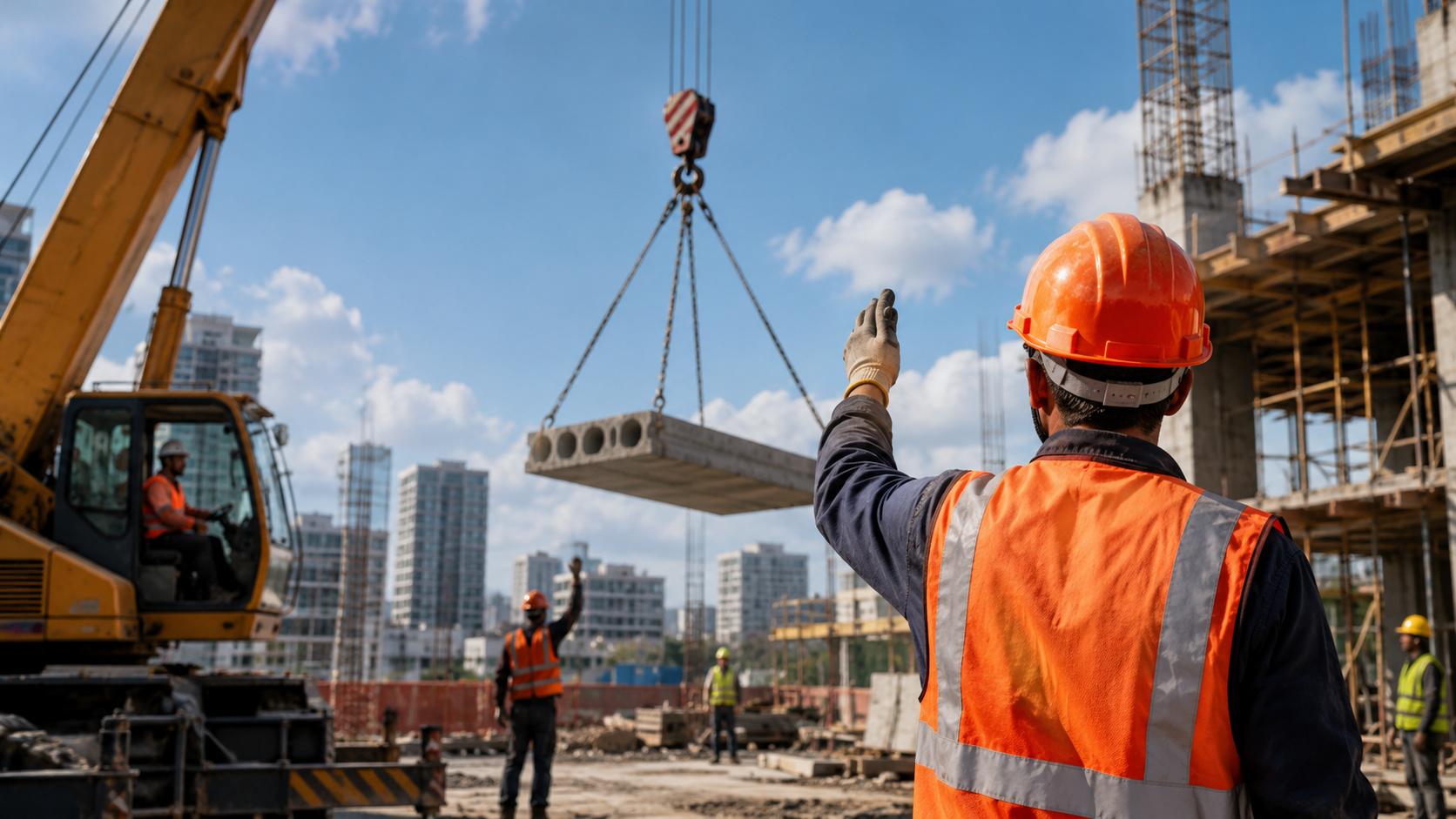
Why can the crane operator only obey the correct signalman on the construction site: among dozens of workers, a hand raised by the wrong person can confuse the maneuver and turn a load of tons into an immediate risk.

-
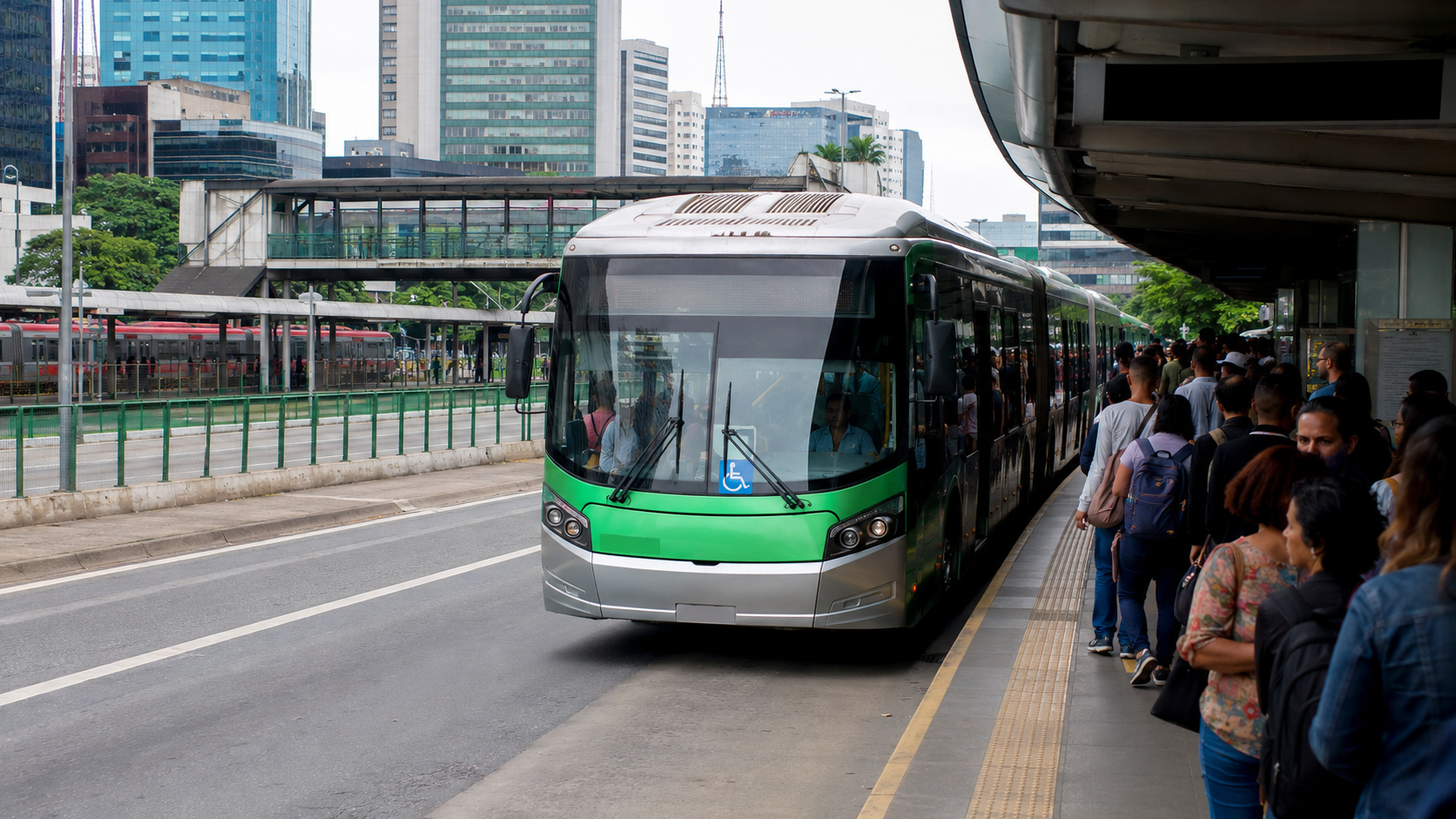
What changes with the new public transportation rules that can reduce pressure on fares and pave the way for zero fare in Brazil?
-
Three Chinese companies manufacture more than 96% of the world’s dry cargo containers and 100% of refrigerated ones, in a dominance built over 40 years that has made it almost impossible for the West to compete in this market.

-
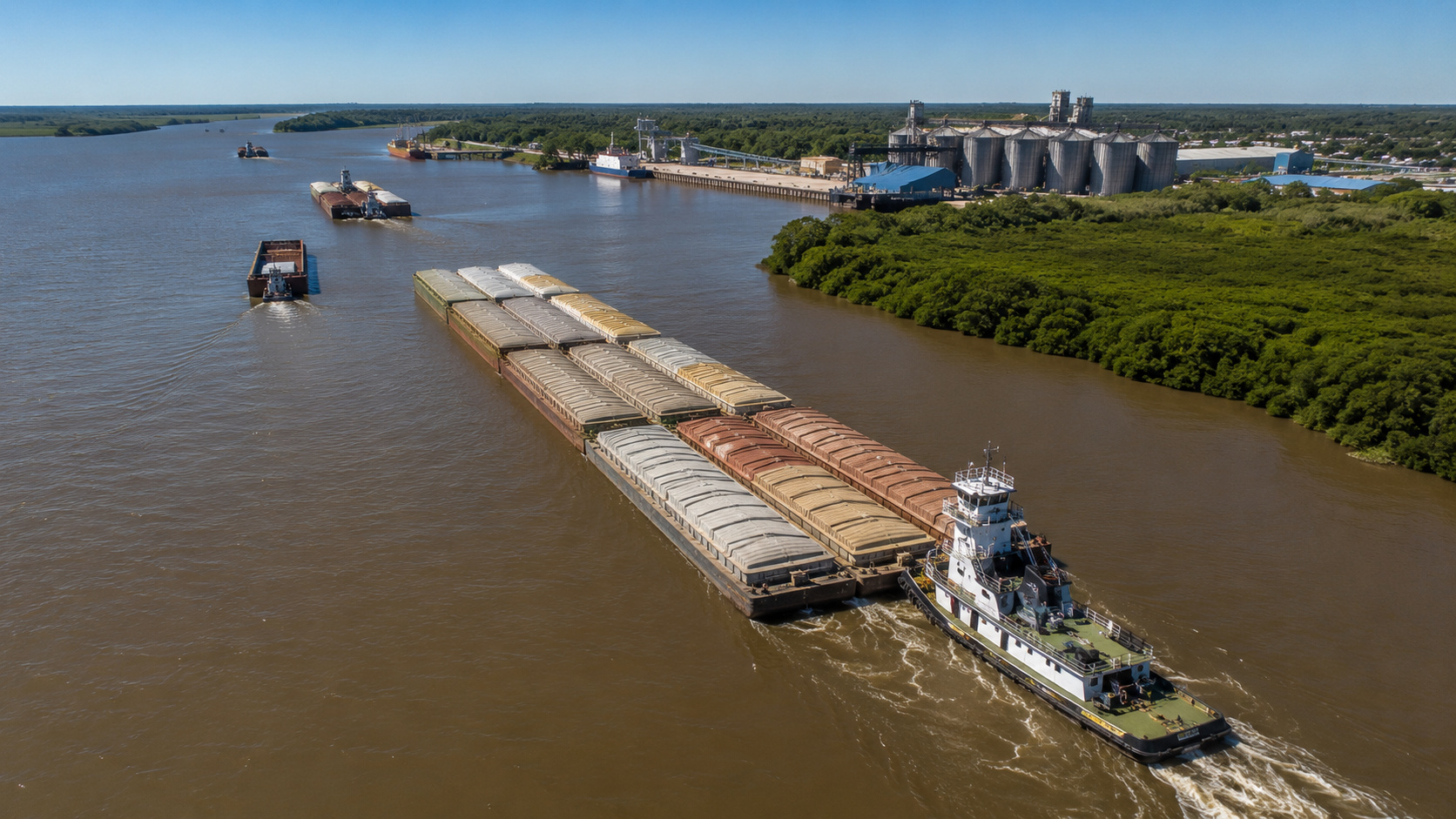
Argentina confirms Belgian giant to lead strategic Paraná River waterway and promises to reduce logistical costs on one of South America’s most important routes

Expansion of International Routes and Impact on Global Trade
With the inauguration of this maritime transport route, the number of international cargo routes operated by the Port of Yantai now ascends to 23. According to Li Fengli, general manager of the Shandong Port Group, the Port has already established cargo connections that span continents—from Asia to Europe, passing through Africa and the Americas. “Currently, we transport an impressive variety of goods, exceeding 200 different categories, which include everything from wind energy equipment to engineering vehicles and specialized equipment,” highlights Li Fengli.
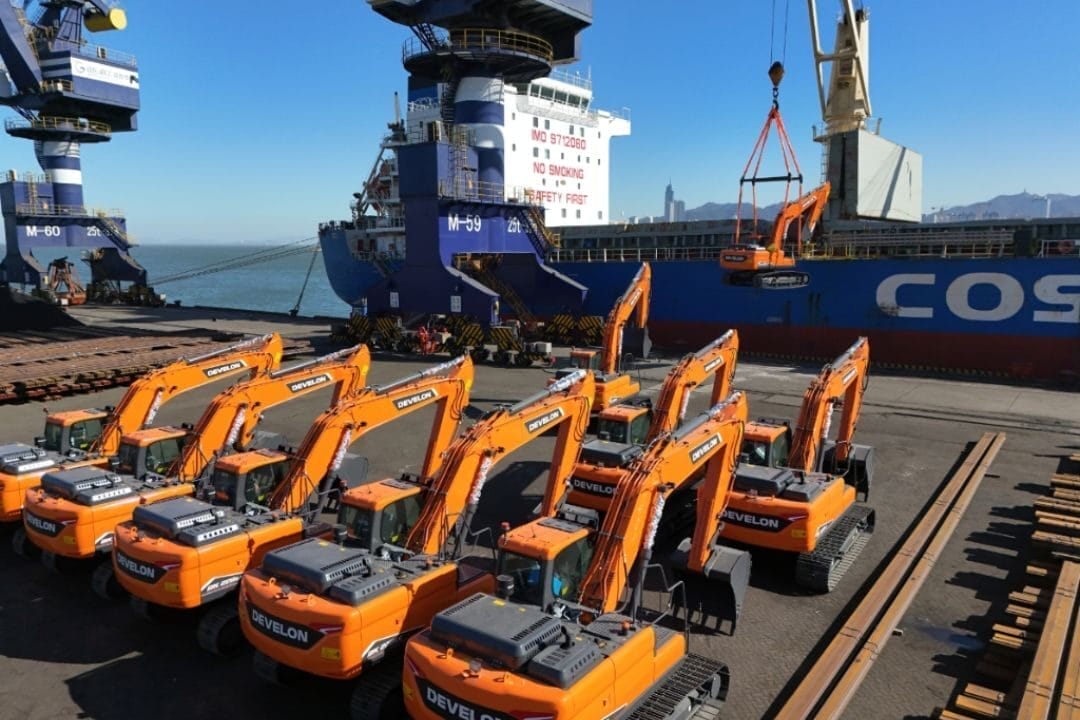
This expansion of routes has a direct impact on the accessibility and convenience of import and export operations, benefiting numerous industries and strengthening international trade relations. The new maritime transport route “Yantai-Brazil” is a testament to the ongoing commitment to enhancing logistical efficiency and supporting the growth of global trade.
Promising Future for Sino-Brazilian Trade
The opening of this maritime transport route is exciting news for the trade and logistics sector, anticipating a future of increasing trade exchanges between China and Brazil. Moreover, it is a clear signal of the growing importance of Brazil as a trading partner in Latin America for China, and vice versa. This development not only strengthens the infrastructure of both countries but also opens new opportunities for businesses and consumers, offering faster and more efficient access to a wider variety of products.
With the continuous expansion of international routes and the implementation of advanced logistics technologies, the Port of Yantai is well positioned to continue its role as one of the main engines of global trade. Meanwhile, Brazil benefits from a more direct and robust connection with one of the largest markets in the world, promoting not only economic growth but also greater integration in global supply chains. Thus, the route “Yantai-Brazil” is destined to become a crucial pillar in international trade in the 21st century.





Be the first to react!