






 Portuguese
  Spanish
  4 min of reading
  0 comments


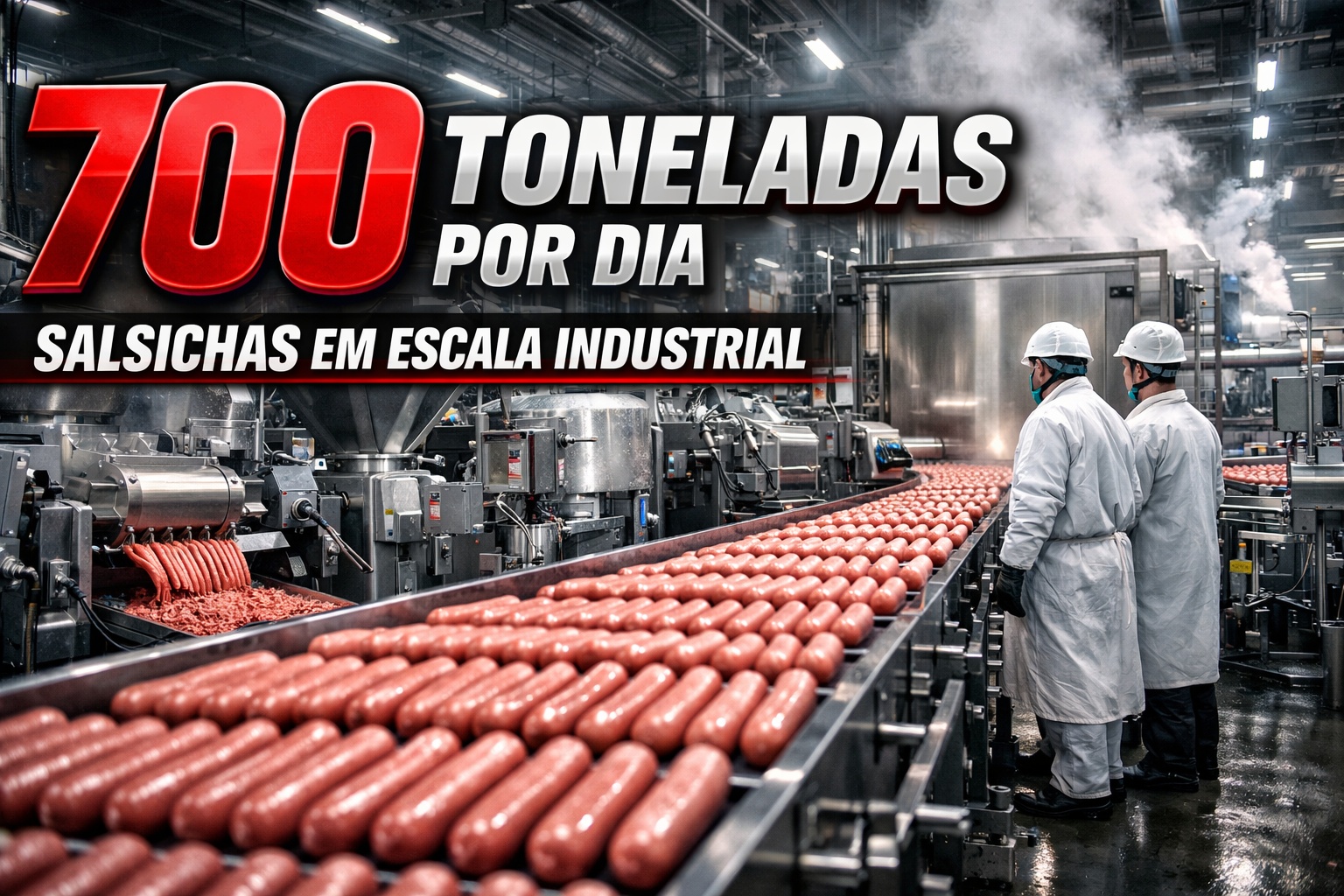
Discover How The German Industry Transforms Meat Into Millions Of Sausages Per Year: From Cutting And Emulsification To Vacuum Filling, Thermal Processing And Advanced Inspection And Packaging Systems, With Cutting-Edge Technology To Ensure Quality, Safety And Productive Efficiency.
Germany is one of the largest producers of industrial meat products worldwide and, in particular, of sausages, items that represent a cultural and gastronomic icon in the country and a gigantic industry on a global scale. Behind the popular flavors and the constant presence in supermarkets and restaurants, there is a highly sophisticated industrial process, which combines food engineering, automated technology, and rigorous quality control to manufacture tons of products with precision and reliability annually.
The Industry That Sustains Millions Of Sausages Per Year
The meat processing sector in Germany is dominated by large groups such as the Tönnies Group, one of the world leaders in meat production and derivatives, including industrial sausages, that operate with modern and integrated production lines.
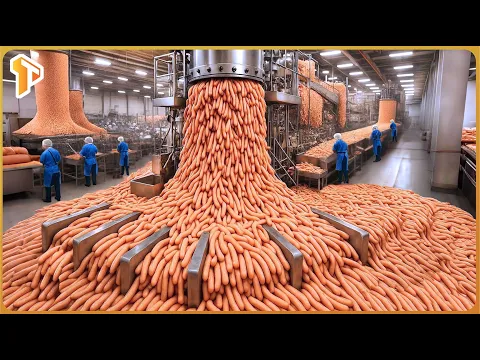

The industrial processes involve several well-defined steps, ranging from the initial preparation of ingredients to final packaging, all guided by strict hygiene and food safety standards.
-
Instead of plastering the wall, Argentine architects left ordinary bricks exposed, without traditional mortar, without finishes, without paint, and created a perforated pavilion that looks like an art installation.

-
With 100 discarded pallets and simple tools, the project creates a 23 m² shelter, recycles wood used in the transport of humanitarian aid, and transforms temporary housing for refugees.
-
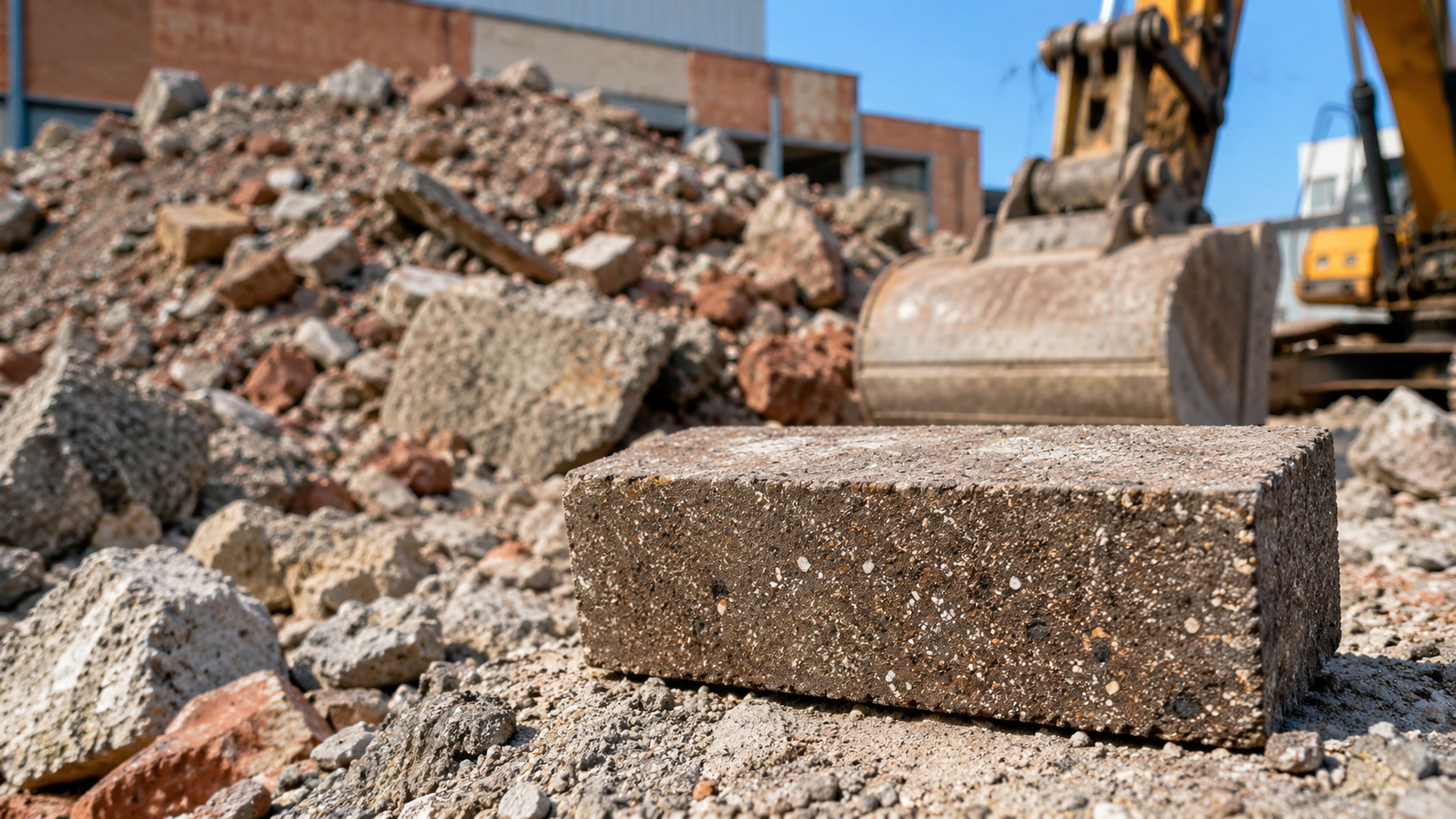
Scotland creates a brick made with over 95% recycled debris, eliminates kiln firing, and attempts to reinvent a piece used in construction for almost a thousand years.
-
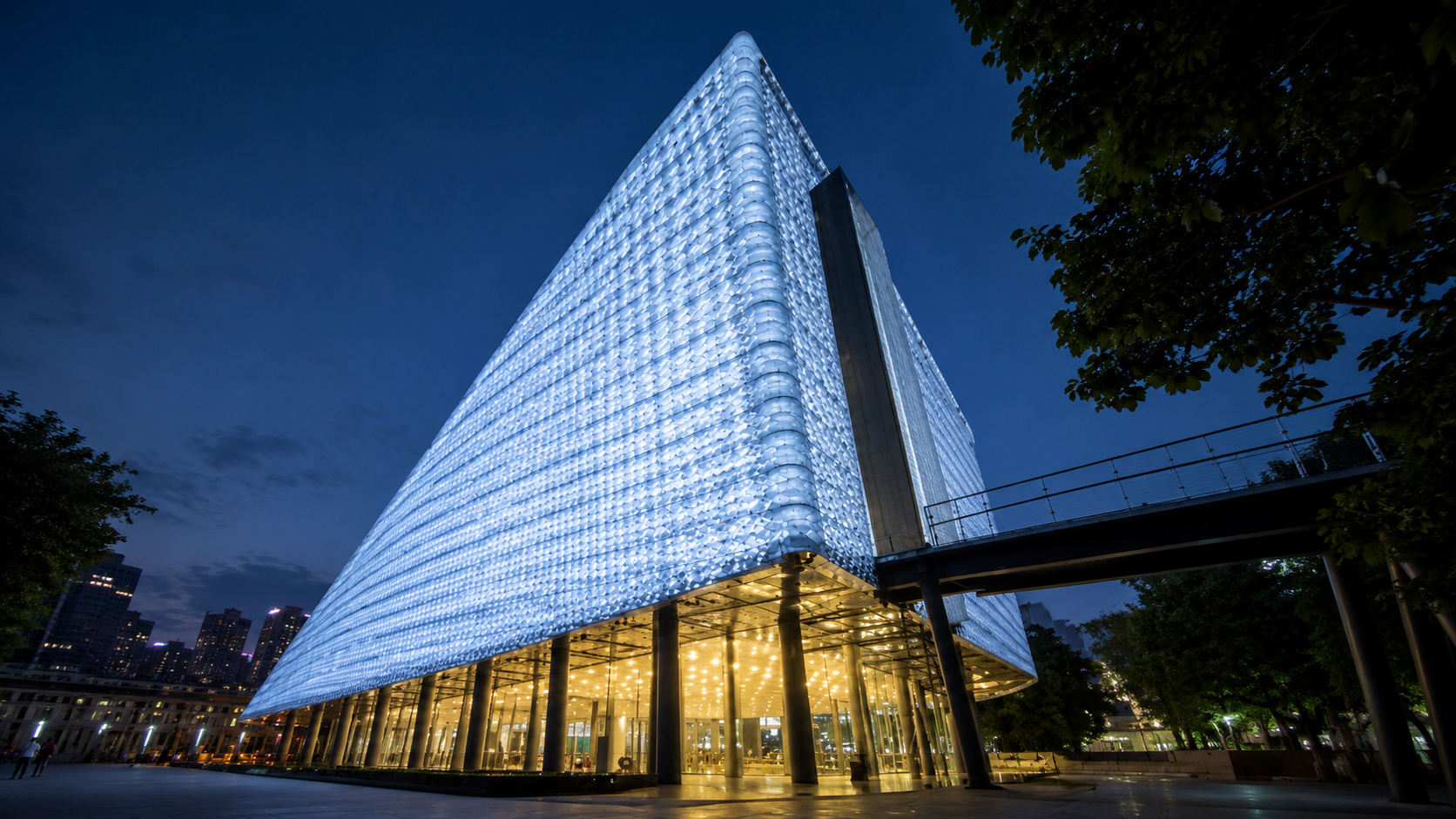
In Taipei, 1.5 million recycled plastic bottles were saved from becoming waste, turned into building blocks, and formed a nine-story pavilion for an international exhibition.


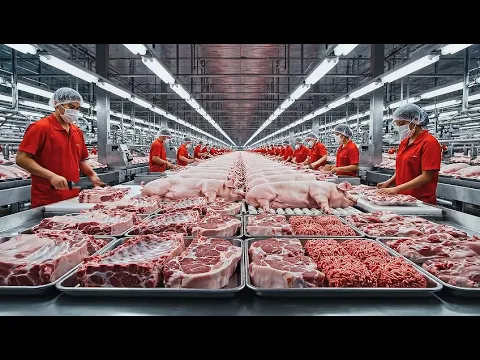
The production starts with the selection and cooling of meats (pork, beef, or blends) at controlled temperatures to ensure stability and microbiological safety.
The meat is then ground in industrial equipment with specific diameter plates (for example, 3 mm), reducing the particles to facilitate mixing and uniformity of the final product.
Industrial Mixing And Emulsification
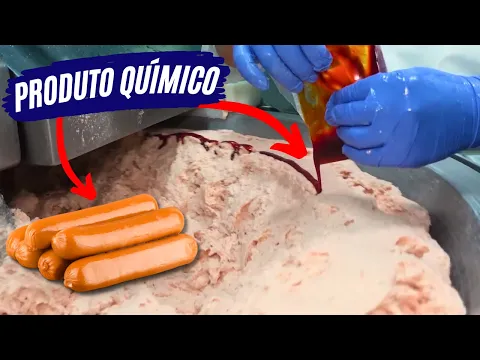
The next step is the mixing and emulsification of the meat with salt, spices, curing agents, and other additives.
This process occurs in industrial mixers operating at controlled temperatures to extract proteins and allow fat, water, and seasonings to become a stable emulsion, essential for texture, flavor, and consistency of the final product.
The capacity of these machines allows enormous production volumes to be processed with repeatability, ensuring that each batch has the same sensory and physical characteristics.
Vacuum Filling And Size Standardization
After mixing, the mixture is transferred for vacuum filling, where special cylinders and extruder machines continuously fill the casings (natural or collagen) without air pockets, thereby increasing food safety and preventing defects in the product.
This vacuum filling system is crucial for maintaining the integrity of the sausages and enabling an uninterrupted industrial flow, as well as allowing a high degree of automation in the process.
Cooking And Controlled Thermal Processing
After being filled, the sausages undergo thermal processing on automatic conveyors or high-tech ovens that reach specific temperatures to cook, smoke, or pasteurize the product according to the type of sausage.
This precise temperature control (with humidity and time calibrated) ensures that microorganisms are eliminated, the texture remains uniform, and the organoleptic characteristics (flavor, aroma, and appearance) remain consistent.
At the end of the line, metal and X-ray detection inspection systems monitor each sausage unit to identify contaminants or physical defects before they reach packaging.
Companies such as MULTIVAC provide automatic loading solutions that combine speed, precision, and hygiene, reducing losses and ensuring high production quality.
After checking, the sausages are vacuum-packed, labeled, and prepared for storage or transportation, with automated systems that allow thousands of units to be packaged per minute.
Technology And Automation Drive Efficiency And Safety
The modernization of production lines is essential to compete in a market that demands high volume, international standards, and unrestricted food safety.
The adoption of technology — from industrial grinders and mixers to optical sensors and automated packaging machines — is a competitive advantage for the German sector.
Moreover, leading companies in the country continuously invest in innovation, energy efficiency, and better controls to reduce waste and increase the sustainability of operations.
The industrial production of sausages in Germany is not only a cultural or economic element: it is an example of food engineering applied on a large scale.
The steps of grinding, emulsification, vacuum filling, thermal processing, X-ray inspection, and automated packaging are components of a sophisticated process that ensures quality, safety, and efficiency in extraordinary volumes of production that supply local and international markets.







Be the first to react!