






 Portuguese
  Spanish




Interface Update Should Restrict Unlocking and Limit Customization on All Brand Phones
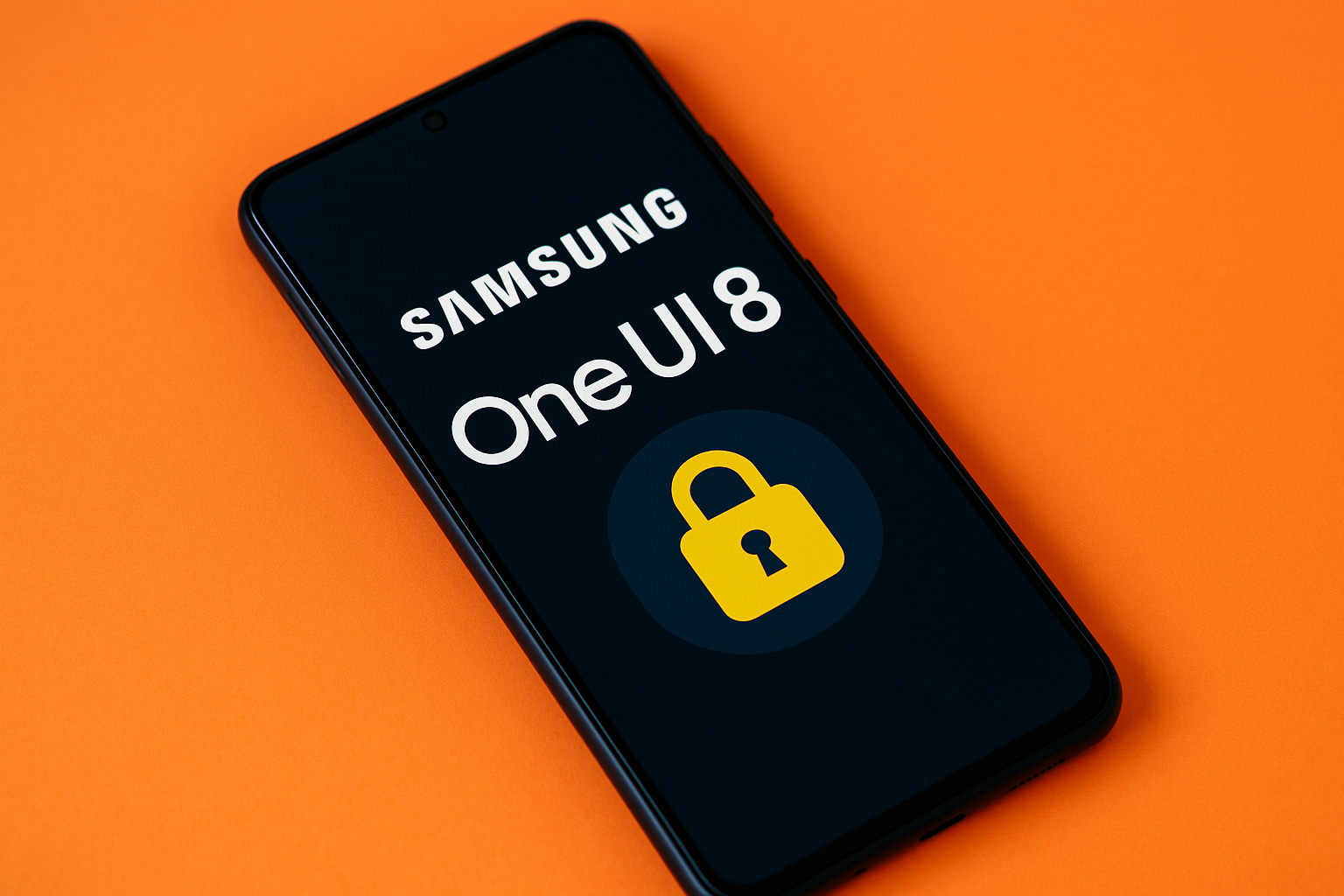
The Samsung is set to implement a drastic measure with the arrival of One UI 8. According to Android Police, the South Korean company plans to globally disable bootloader unlocking. The update will be released between late 2025 and early 2026.
Although this limitation was already in effect in the United States, it will now apply to all markets. This means enthusiasts and developers will lose the ability to install custom ROMs on the brand’s devices.
Historically, unlocking the bootloader has always been the first step for those wishing to replace the original system. Even with the risks and loss of warranty, this practice has remained an alternative to prolong the lifespan of devices.
-
China Develops Custom 140-Ton Electric Mining Truck with 770 kWh Swappable Battery, Deploys 290 Units in Xinjiang’s Largest Zinc Mine

-
Meta to Launch Arena, a New Prediction App Targeting 3.56 Billion Users, Competing with Polymarket and Kalshi

-
Scientist Challenges Famous Human Evolution Theory, Argues Homo Sapiens Evolved Gradually Over Thousands of Years
-
15-Year-Old American Builds Ocean Generator with PVC Pipe and 3D-Printed Propeller for $12, Wins National Prize, Presents at White House, and Makes Forbes 30 Under 30 List




Bootloader Has Always Been Key for Deep Personalizations
The bootloader system starts Android as soon as the device is powered on. When unlocked, it allows for the installation of modified systems, such as popular custom ROMs.
Independent communities develop these ROMs and often offer notable improvements.
They frequently provide superior performance, battery savings, more recent updates, and removal of unwanted applications.
Despite the benefits, the process has always come with important warnings. Among them are the risks of vulnerabilities, exposure to malware, and the potential for system instability. Even so, thousands of users considered customization a differentiator for Android smartphones.


Security and Integrity May Motivate the Restriction
Still without official confirmation, the change seems to align with a growing concern over security. By blocking the bootloader, Samsung may prevent devices from being vulnerable to flaws, breaches, and malicious software.
Another important factor is the protection of sensitive services, such as Samsung Pay and Google Pay.
These applications often compromise the requirement for total system integrity when the user modifies the device with alternative ROMs.
The use of unapproved software undermines performance, stability, and technical support.
For this reason, the company is following a path already adopted by other manufacturers in recent years.
Community Fears the End of an Era in Android
The possible global limitation on unlocking, therefore, worries the developer community. Projects like LineageOS and Pixel Experience might also be impacted.
These initiatives, in fact, rely on access to the bootloader to function. Therefore, the new guideline directly threatens the continuity of their updates and customizations.
In many cases, these ROMs represent the only secure way to keep older devices functioning. Undoubtedly, official support no longer caters to these devices.
Thus, users turn to alternative ROMs to update the system. Consequently, they also seek to enhance performance and extend the lifespan of their devices.
The new policy from Samsung, on the other hand, may drive away enthusiasts. Furthermore, the change raises questions about the future of modifications.
Meanwhile, the company’s official announcement is awaited in the coming months. In the meantime, the community continues to debate the impacts and evaluate new alternatives.






