





 Portuguese
  English
  Spanish
 4 min of reading
  0 comments


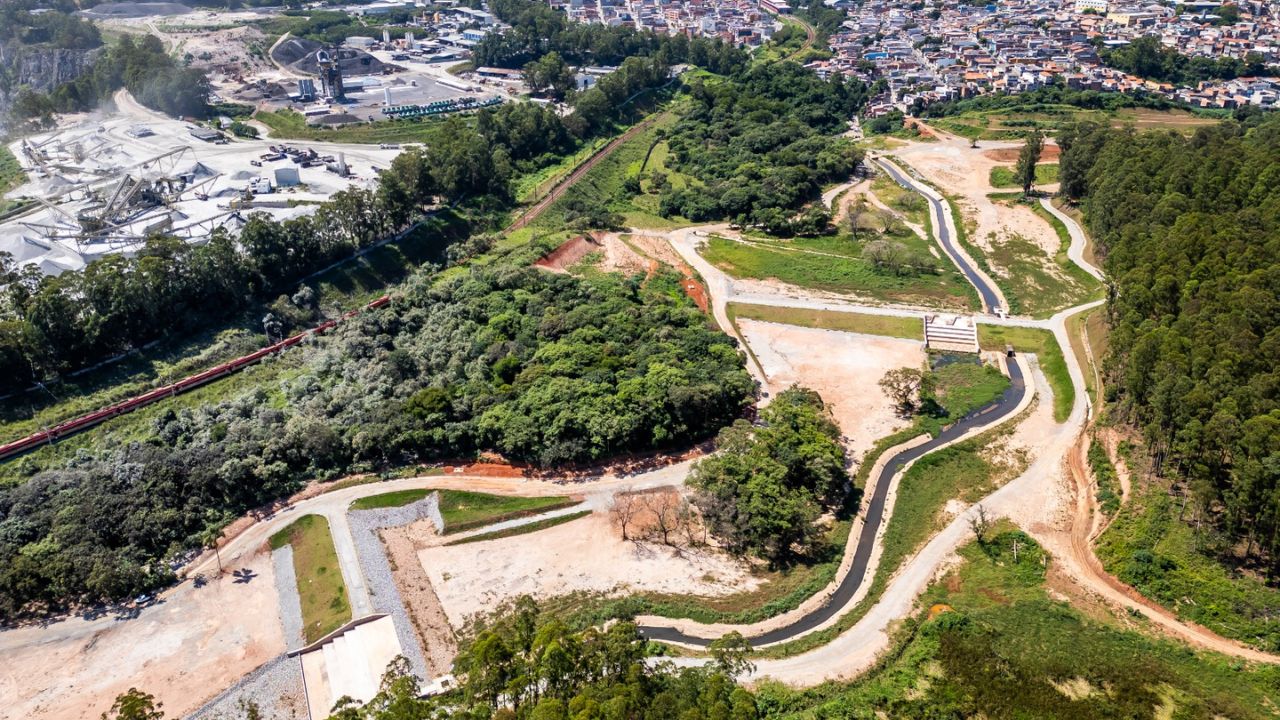
To Reduce The Impact Of Rain And Protect Areas Historically Affected By Flooding, The City Hall Of São Paulo Accelerates The Construction Of Ten Reservoirs To Contain Large Volumes Of Water. Total Investment Already Exceeds R$ 1.6 Billion And Covers All Zones Of The Capital.
The City Hall Of São Paulo Is Intensifying Its Flood Combat Plan With The Construction Of Ten New Underground Rainwater Reservoirs. These Facilities — Known As “Piscinões” — Are Part Of A Drainage Strategy Aimed At Mitigating The Effects Of Heavy Rainfall And Minimizing Damage In Vulnerable Regions Of The Capital. Since 2021, Six Structures Have Already Been Delivered, And Another Ten Are Under Construction At Different Points In The City.
The Action Is Coordinated By The Municipal Secretary Of Urban Infrastructure And Works (SIURB) And Total More Than R$ 1.6 Billion In Investments.
The Completed Reservoirs Already Help Retain More Than 850,000 Cubic Meters Of Water, Equivalent To Hundreds Of Olympic Swimming Pools, Providing Relief To The City’s Drainage System.
-
How to properly build a brick wall, starting with measuring the area, choosing materials, preparing the mortar, aligning with nylon string, and finishing with lime, putty, and paint.

-
Four thousand PET bottles became a 24m² house in the interior of São Paulo, as ten students proved that it’s possible to build a home from floor to ceiling with recycled plastic, spending 30% less than a brick construction.

-
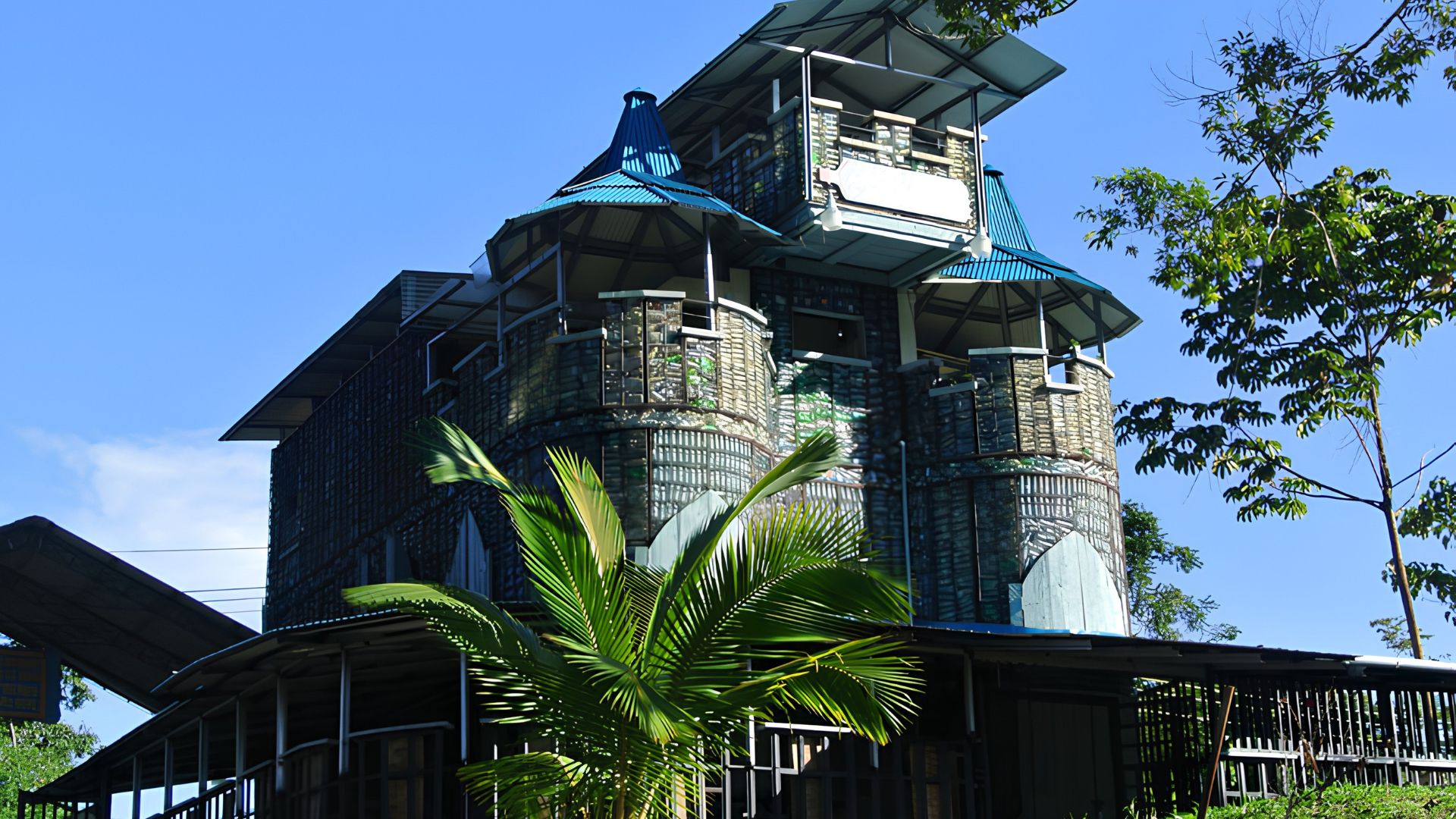
Man builds entire village with over 1 million PET bottles and impresses with creativity; known as Plastic Bottle Village, the project even erected a four-story castle with 40,000 bottles and entered the Guinness World Records.
-
Concrete made with seawater and marine sand challenges one of the basic rules of civil construction, replacing common steel with corrosion-resistant reinforcements, and can turn islands and coastal works into laboratories of a new salty engineering.



New Infrastructure For A More Prepared São Paulo
The Works Underway Cover The North, South, East, And West Zones, With Timelines Extending Until 2027.
The Reservoirs Are Built To Accumulate Rainwater During Storms, Releasing It Gradually Into The Drainage System, Significantly Reducing The Possibility Of Flooding.
The Municipal Government Is Betting On A Combination Of Several Approaches, Such As Channeling Streams, Installing Rainwater Galleries, Creating Linear Parks With Retention Areas, And Restoring Public Spaces After Interventions.
South Zone: Old Promises Now In Progress
In Capão Redondo, One Of The Areas Most Affected By Flooding, A Large Structure Is Being Built On Avenida Ellis Maas.
The Project Includes A Reservoir And Channeling Of The Água Dos Brancos Stream, Directly Benefiting The Population Of “Morro Do S.”
In The Vila Mariana Area, The City Hall Of São Paulo Has Started Two New Reservoirs: One At Praça Juca Mulato, Aimed At Containing The Paraguai/Éguas Stream, And Another At The Intersection Of Rua Gaivota With Av. Ibijaú, Related To The Uberabinha Stream. The Deliveries Are Scheduled For The First Half Of 2027.
North Zone: Structural Works Advance In Brasilândia And Perus
In The North Zone, The Brasilândia Neighborhood Is Receiving Two Large Underground Galleries On Avenida Manoel Bolívar, Expected To Be Operational From April 2026.
The Project Was Designed To Mitigate Flooding From The Carumbé And Bananal Streams, Which Frequently Overflow During Heavy Rains.
In Perus, Three Reservoirs (R1A, R2, And R3) Are Already Operating In Vila Aurora, Where More Than A Kilometer Of Stream Channeling And Bridge Elevation Has Also Been Executed.
The Project Also Includes The Construction Of A New Piscinão In The Rodoanel Mario Covas Region, Called Areião.
East Zone: Rethought Urban Drainage
The Vila Prudente Subprefecture Is Receiving A Large Reservoir At The Intersection Of Anhaia Mello And Jacinto Menezes Palhares Avenues, Around The Vila Alpina Sports Center.
After The Completion Of The Works, Scheduled For August 2026, The Leisure Space Will Be Completely Revitalized.
Another Highlight Of The East Zone Is The Intervention In The Lapenna Stream In São Miguel Paulista.
In Addition To The Piscinão, The Project Includes Almost 1 Km Of Channeling Between Rua Serra Do Salitre And Av. Jacu-Pêssego, With Completion Scheduled For 2026.
In The Parque Do Carmo, In Itaquera, The Lake Is Being Adapted To Function As A Rainwater Retention Area.
Furthermore, The City Hall Is Already In The Final Stages Of Contracting A New Project In The Rio Verde Stream, Also In Itaquera, Which Will Involve An Investment Exceeding R$ 300 Million And Will Be Built In The Linear Park Of The Rio Verde.
West Zone: Reservoir In Morumbi With Participatory Project
In The Morumbi Neighborhood, A Reservoir Is Being Installed At Praça Roberto Gomes Pedrosa.
The Facility Will Receive The Excess Water From The Antonico Stream, With The Construction Of Nearly 700 Meters Of New Galleries.
The Location Will Be Completely Requalified After The Works, The Project Is Open For Public Participation Until The End Of June On The Participe + Platform.
São Paulo: A City More Resilient To Rain
The City Hall Of São Paulo Invests In Green And Gray Infrastructure To Tackle The Challenges Imposed By Climate Change And Urban Growth.
The Construction Of The Reservoirs Represents A Concrete Advance To Contain Floods In Critical Areas, Promoting More Quality Of Life And Safety For Thousands Of São Paulo Families.
With Planning, Technology, And Strong Investments, São Paulo Positions Itself At The Forefront Of Urban Solutions Focused On Drainage And Protection Against Natural Disasters.




Be the first to react!