Portuguese
  Spanish


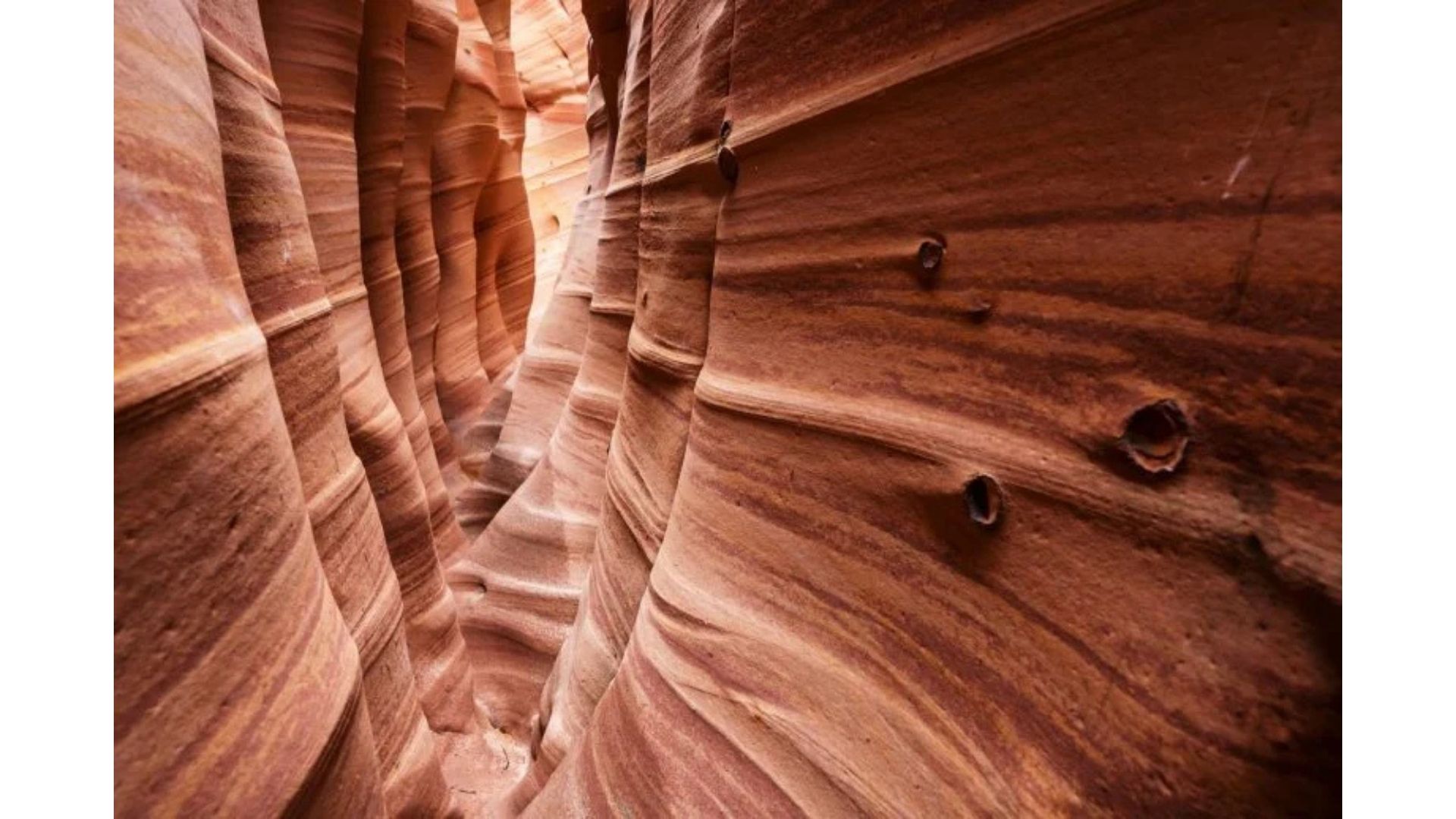


The natural cavities found in limestone represent more than a visual curiosity, being precise indicators of past environmental events. The study of these structures reveals how the Grand Canyon evolved from a solid plateau to one of the most complex and informative geological wonders of the contemporary world.
Researchers have discovered that the rock formations known as “Swiss cheese” in the Grand Canyon hide fundamental data about the geological and climatic history of the region.
These porous structures, marked by distinct cavities and holes, function as natural archives that preserve information about fluid circulation and erosion over millions of years. The study of these formations allows us to understand how the topography of the American Southwest was sculpted and which chemical processes shaped the resistance of the Grand Canyon rocks.
The process of formation of cavities and mineral porosity
The carbonate rocks that exhibit this peculiar Swiss cheese appearance have undergone intense chemical dissolution processes known as karstification. Rainwater, becoming slightly acidic, penetrated the fissures of the Grand Canyon rocks, dissolving the limestone and creating a complex network of holes and channels.
-
11-Year-Old Entrepreneur Turns Fear of Bees into Honey Lemonade, Wins $60,000 on Shark Tank, Secures Whole Foods Deal, and Expands Brand Across U.S. Stores

-
9-Year-Old in Brazil Sells Homemade Sweets to Support Grandfather with Parkinson’s, Family Dreams of Buying Candy-Making Machine

-
Man Disguises as His Own Mother to Collect €3,000 Monthly Pension, but Makeup and Beard Stubble Raise Suspicions at Registry Office

-
Brazilian Airport to Receive $2.8 Million Investment, Completion Expected Within a Year





This phenomenon not only alters the aesthetics of the landscape but also directly influences how water is stored and transported through the region’s underground aquifers.
Mineralogical analysis revealed that the presence of certain chemical compounds within these cavities helps date the periods when the water table rose or fell drastically. Scientists use uranium-lead dating techniques to identify the age of the mineral deposits found inside the holes.
This information is crucial for reconstructing the chronology of the uplift of the Colorado Plateau and the consequent deep incision that the Grand Canyon rocks underwent due to the passage of the Colorado River.
Climatic impacts and the preservation of the geological record
The pattern of holes in the Grand Canyon rocks also serves as an indicator of severe climatic changes that occurred in the distant past. During periods of higher humidity, the dissolution of the rocks accelerated, while in arid eras, the process of cavity formation was interrupted or altered by the deposition of dust and other minerals.
By mapping the distribution of these porous rocks, geologists can identify cycles of drought and water abundance that lasted for millennia.
In addition to the climate issue, the cavities provide protection for microorganisms and organic materials that could be destroyed by direct surface erosion. This transforms the rocks of the Grand Canyon into biological time capsules, where traces of ancient life or variations in atmospheric composition can be detected in protected layers of sediment. The integrity of these holes is vital for researchers to continue deciphering the mysteries of Earth’s geological evolution.
Strategic importance for water resource management
Understanding the dynamics of “Swiss cheese” rocks is fundamental for sustainable water management today, as these formations control water flow in critical areas.
The high permeability demonstrated by the rocks of the Grand Canyon indicates that pollutants or changes in aquifer recharge can spread with unexpected speed. Detailed mapping of these porosity networks helps environmental authorities predict the behavior of freshwater sources that supply ecosystems and local populations.
The critical secret held by these formations lies in the connection between mineral chemistry and the movement of deep waters. As new imaging and chemical analysis technologies advance, the rocks of the Grand Canyon continue to provide evidence of how the interaction between water and stone defines the longevity of terrestrial landscapes.
The study reinforces the need to protect these geological monuments to ensure the continuity of research on the past and future of the planet.
With information from Scitechdaily