






 Portuguese
  Spanish
  3 min of reading


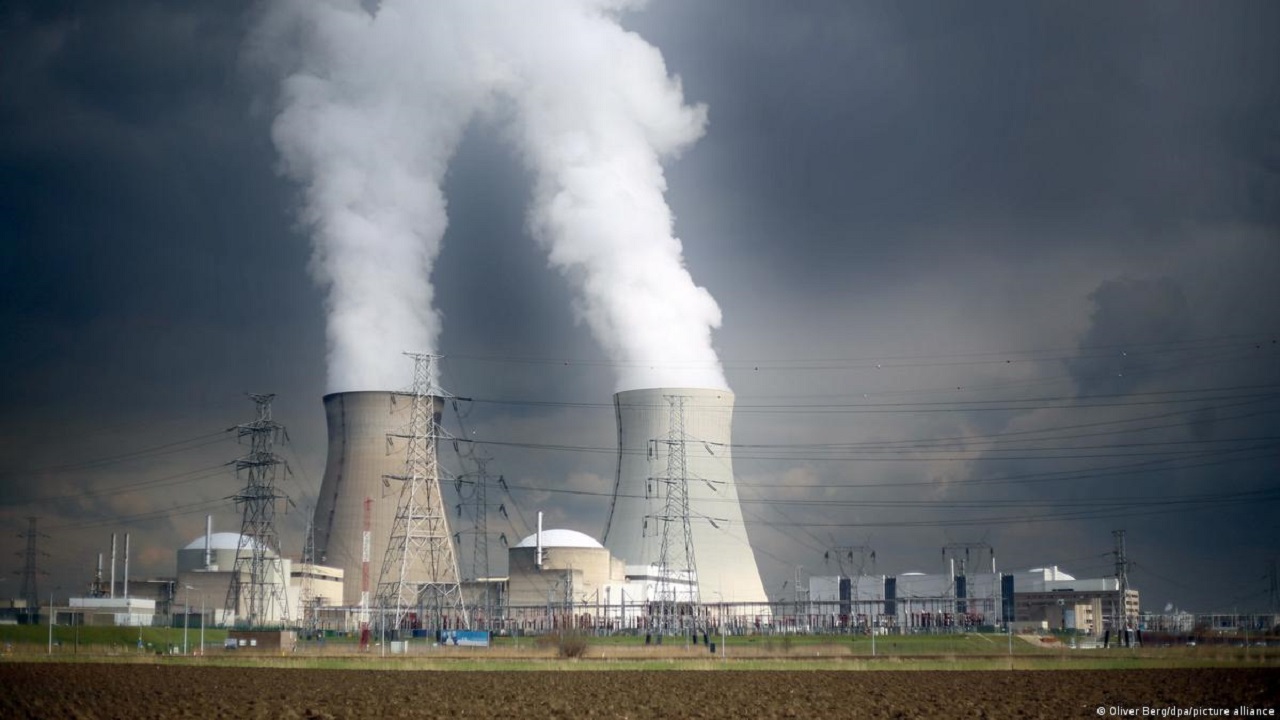
Belgium Plans to Phase Out 7 of Its Nuclear Reactors by 2025. An Agreement Was Reached Last Thursday (23) for the Country to Stop Using Nuclear Energy and Start Investing in Renewable Energy
Belgium has decided to end its seven current nuclear reactors by 2025, according to an agreement signed between the coalition government partners last Thursday (23). A source from the Belgian Government confirmed to the AFP news agency that the agreement was signed after a night of negotiations. However, in addition to renewable energy, the pact aimed at phasing out nuclear energy also includes an investment of approximately 100 million euros in the installation of small modular reactors (SMR).
Read Also
Phase-Out of Nuclear Reactors Has Been Underway Since 2003

A conference was held in the morning at the Belgian Chancellery to detail the agreement aimed at replacing nuclear energy with renewable energy. The gradual phase-out of nuclear energy has been enshrined in Belgian law for about 18 years.
-
Brazilian scientists are simultaneously advancing two research projects on clean hydrogen and driving solutions that could transform the energy matrix, enhance industrial competitiveness, and accelerate large-scale emission reduction targets.

-
Advancement in renewable energy: A R$ 150 million project launched by Petrobras and Finep aims to create state-of-the-art electrolyzers for green hydrogen, strengthening national research and preparing Brazil to compete in a billion-dollar energy market.
-
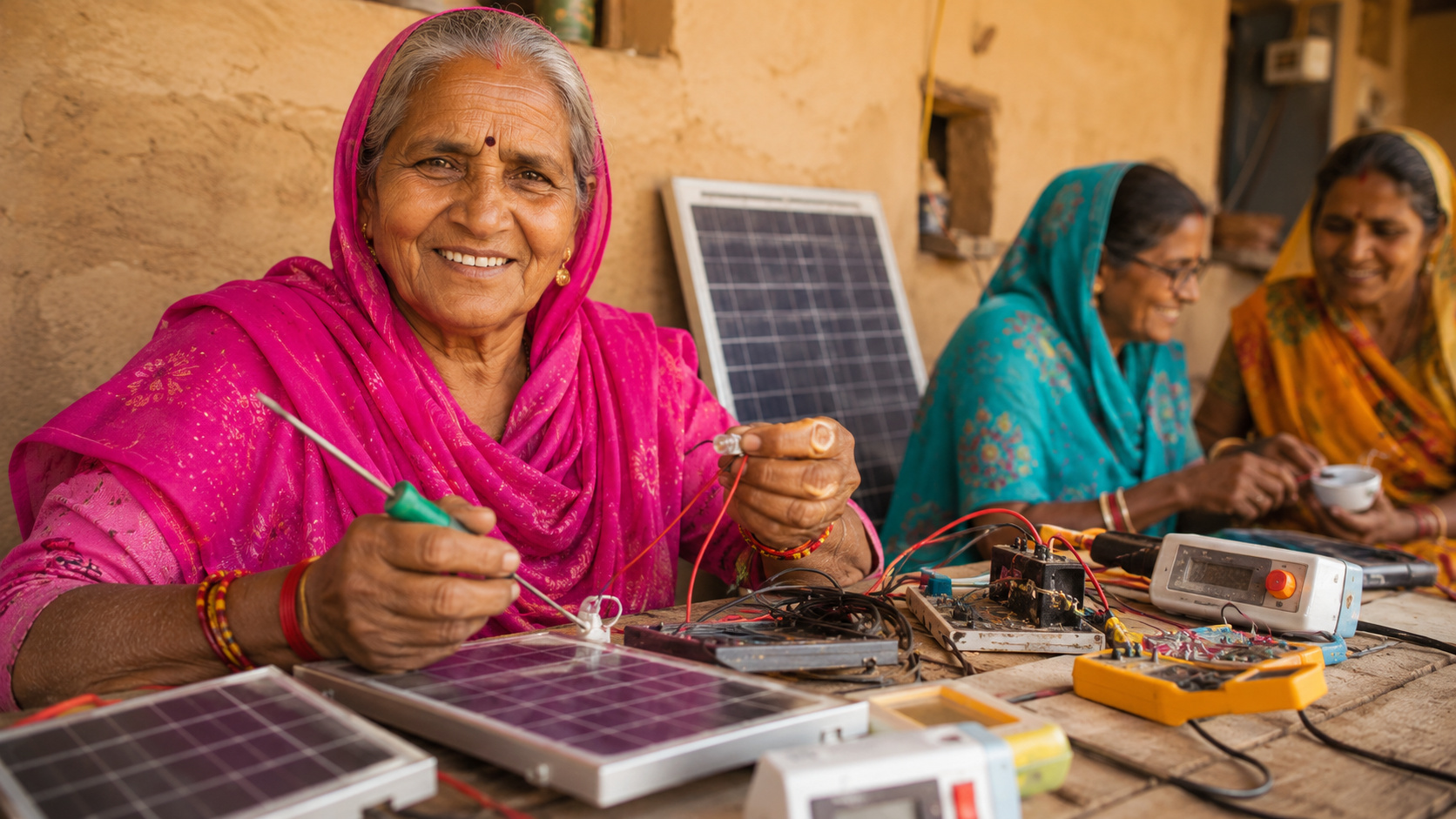
Illiterate or semi-literate grandmothers were trained to repair solar systems, open rural workshops, and light up homes that still depended on kerosene.
-
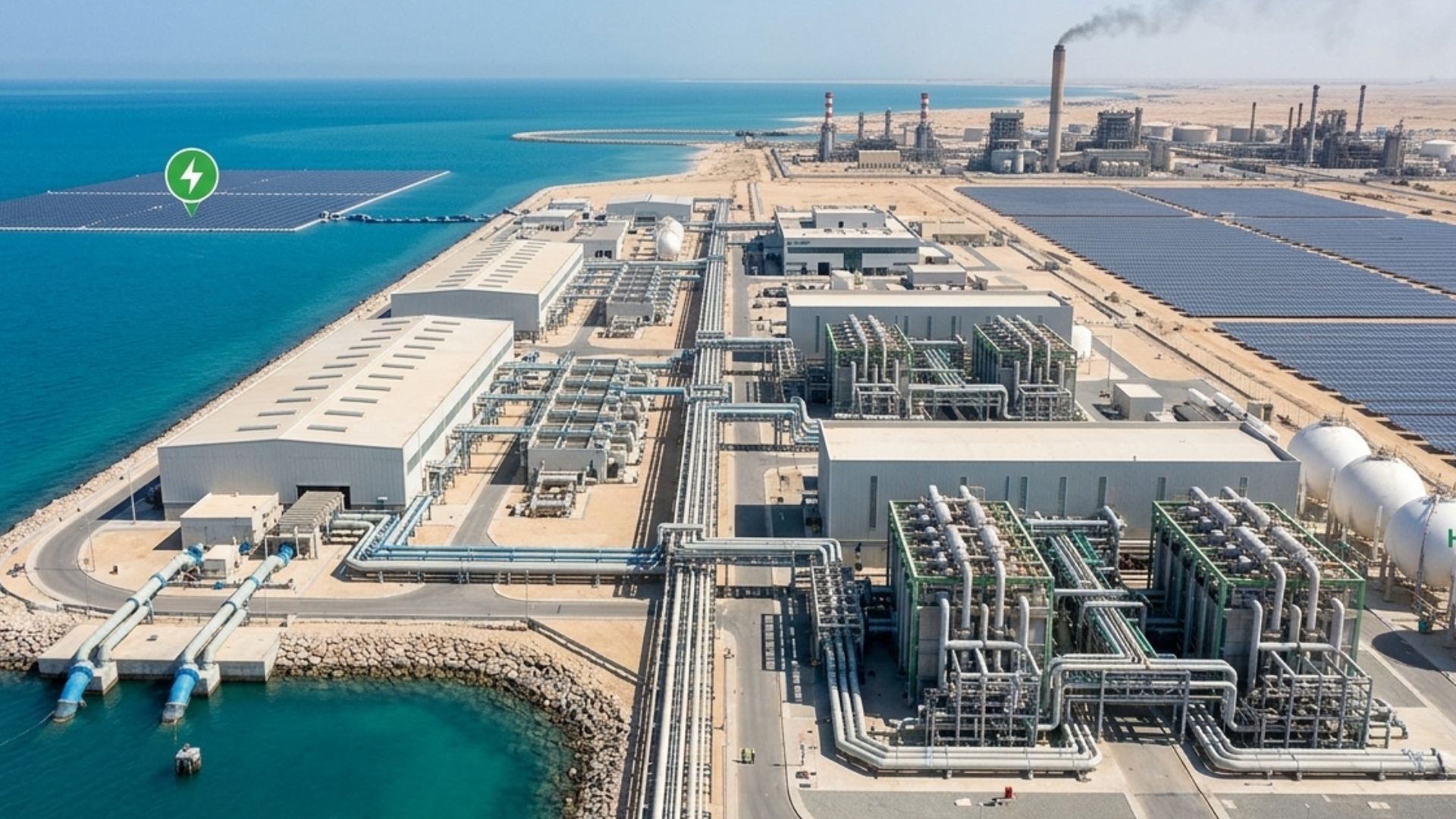
The world has bet on green hydrogen as the fuel of the future, but now faces the side effect: producing 1 kilogram requires about 9 liters of ultrapure water, and the largest projects on the planet are precisely in the driest regions of the Earth, where water is already scarce for people.



The final deadline for the completion of the deactivation of nuclear reactors is 2025, a date that the current Government committed to respect when it took office last October. However, the agreement separates the governing coalition, which mainly groups liberals, including the formation of Alexander De Croo, the Prime Minister, environmentalists, and socialists.
For about 30 days, the Francophone liberals from one of the seven parties in the coalition, the Reformist Movement (MR), warned of the scenario of a total abandonment advocated by the Minister of Energy, the ecologist Tinne Van der Straeten.
Nuclear Energy Represents 40% of the Energy Produced in the Country
The Reformist Movement requested the maintenance of part of the current nuclear capacities, arguing in particular that the new gas plants developed to provide electricity are quite polluting and generate a lot of carbon dioxide.
Currently, nuclear reactors account for about 40% of the electricity generated in Belgium. In the end, the agreement reached to end nuclear energy within the restricted Council of Ministers, which includes a representative from each of the seven parties, imposes that Belgium make new investments in research on renewable energy and CO2-neutral energy, and even in future nuclear energy (SMR).
The budget for investments in renewable energy and new nuclear reactors was already planned. Globally, the commitment achieved maintains the Minister of Energy’s “Scenario A.” The agreement states that the investment mechanism implemented to replace the current nuclear model is obsolete.
Belgium Plans to Build Island to Produce Renewable Energy
In October, the country announced that it was determined to build an island in the sea that will produce renewable energy. The project will include wind generators, distribution stations, and energy storage facilities.
The estimate is that construction of the “island” will begin by the end of 2026. By 2030, the North Sea will produce 30% of the energy consumed by the country. This year, the share has not yet exceeded 10%. Currently, the country relies on nuclear reactors to cover half of its energy consumption.







Be the first to react!