






 Portuguese
  Spanish


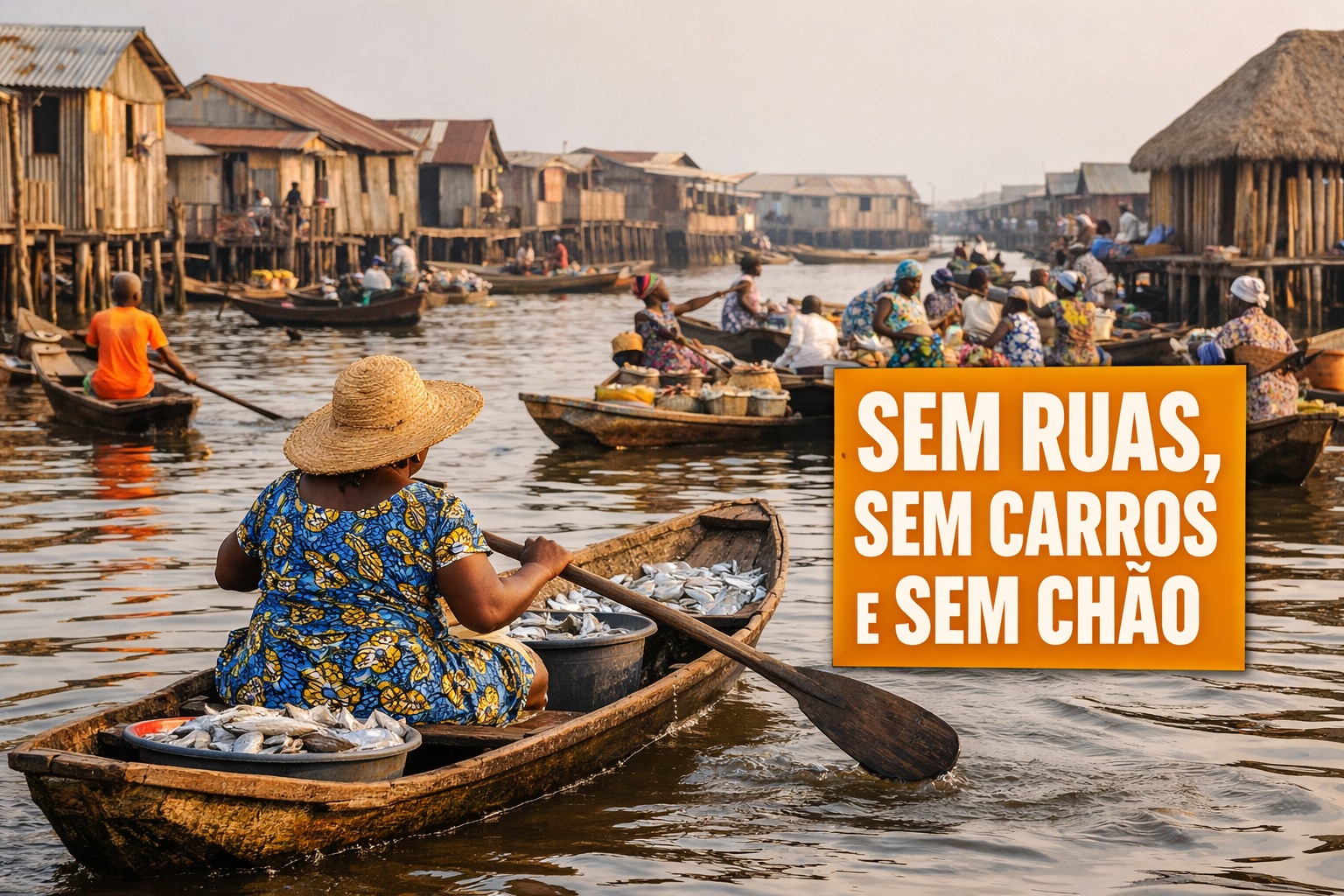


Built on Lake Nokoué, Ganvié Houses Thousands of People Living on Boats, Preserving History, Identity, Fishing Economy and Unique Way of Life in Benin
Ganvié, in Benin, is a city built on a lake, where more than 20,000 people live exclusively on boats every day.
Considered the largest floating city in Africa, it operates without streets, roads, or any walking within its urban territory.
Founded in the 17th century, it emerged when the Tofinu people fled the slavery imposed by the Dahomey Kingdom in the current region of Benin.
-
Cape Verde’s World Cup Surprise: Betting on Electric Cars, a 5 MW Solar Plant, and an Ambitious Plan to Transform Energy for 600,000 Residents

-
Man Finds 1,469 Ancient Roman Silver Coins While Metal Detecting in Romania
-
Young Brazilian Siblings Go Viral for Catching Giant Fish, Launch Sport Fishing Project
-
72-Year-Old Retired Professor from Rural Brazil Recites 247 Digits of Pi in One Minute, Setting National Memory Record


The Largest Floating City in Africa: Refuge Built on Water
To escape captures, they built homes in the middle of Lake Nokoué, far from the pursuers and the constant violence of that time.
The city became a symbol of resistance and freedom for subsequent generations of the Tofinu community, over time and history.
Over time, Ganvié grew and established itself as a permanent community on the waters of Lake Nokoué in southern Benin.
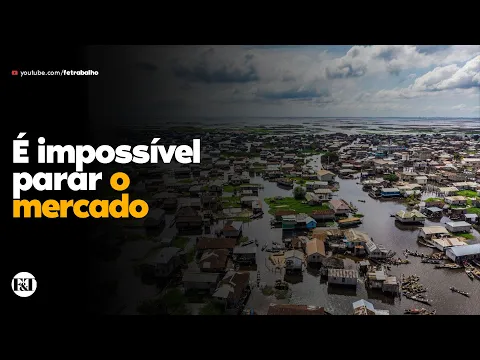

Daily Life on Stilts
All houses, schools, and shops are built on wooden stilts driven into the lake bed, permanently there since its historical foundation.
There are no streets, only canoes circulating all day among houses, markets, schools, and community spaces.
Children learn to observe before they can walk and have small family boats in their floating domestic life from an early age.
Economy Based on Fishing
Fishing sustains a large part of the local economy and ensures daily income for many families in the floating city.
Residents create fish farms in the lake using wooden fences in traditional demarcated areas of the Tofinu community.
Trade takes place mainly in the floating market, where women sell fish, fruits, and other products straight from their boats every day of the week.
Challenges and Preservation
Pollution and lack of sanitation concern residents, as do potential climate changes that may affect lake water levels in the near future.
Local and international initiatives seek sustainable solutions to preserve Ganvié and ensure better living conditions for its inhabitants.
Identity and Uniqueness
Ganvié represents human adaptation in the face of extreme conditions and a unique way of existing on the water.
Growing tourism attracts visitors interested in this unique culture and its impressive architecture around Lake Nokoué in Benin.
With information from Correio Braziliense.





Parece uma Veneza africana ,mais e tenho uma curiosidade, o que e feito com o esgoto das duas cidades .m