





 Portuguese
  English
  Spanish
  2 min of reading
  0 comments


Forced Reductions in Production Affect the Profitability of Wind Farms and Compromise Investments in the Renewable Energy Sector
The Brazilian wind industry is facing its worst crisis since it began operating in the country over two decades ago. This assessment was made by Elbia Gannoum, president of the Brazilian Wind Energy Association (ABEEólica), this Tuesday during an event organized by the entity.
According to Gannoum, one of the main factors of the crisis is the reduction in renewable generation determined by the National Electric System Operator (ONS). These reductions, known as curtailment, prevent the full operation of the plants, causing financial losses and a retraction in the sector.
“We are working 24/7 on this issue (of the reductions). We have had good conversations with the minister (of Mines and Energy) and we should have some progress soon,” stated the association’s president.
-
Brazil filled the Northeast with wind turbines but now faces the side effect of 705 giant blades reaching the end of their lifespan by 2032 just in Rio Grande do Norte, while the world projects 43 million tons of waste by 2050.

-
Brazil has filled the Northeast with wind turbines, but now it faces the side effect of 705 giant blades reaching the end of their useful life by 2032 just in Rio Grande do Norte, while the world projects 43 million tons of waste by 2050.
-
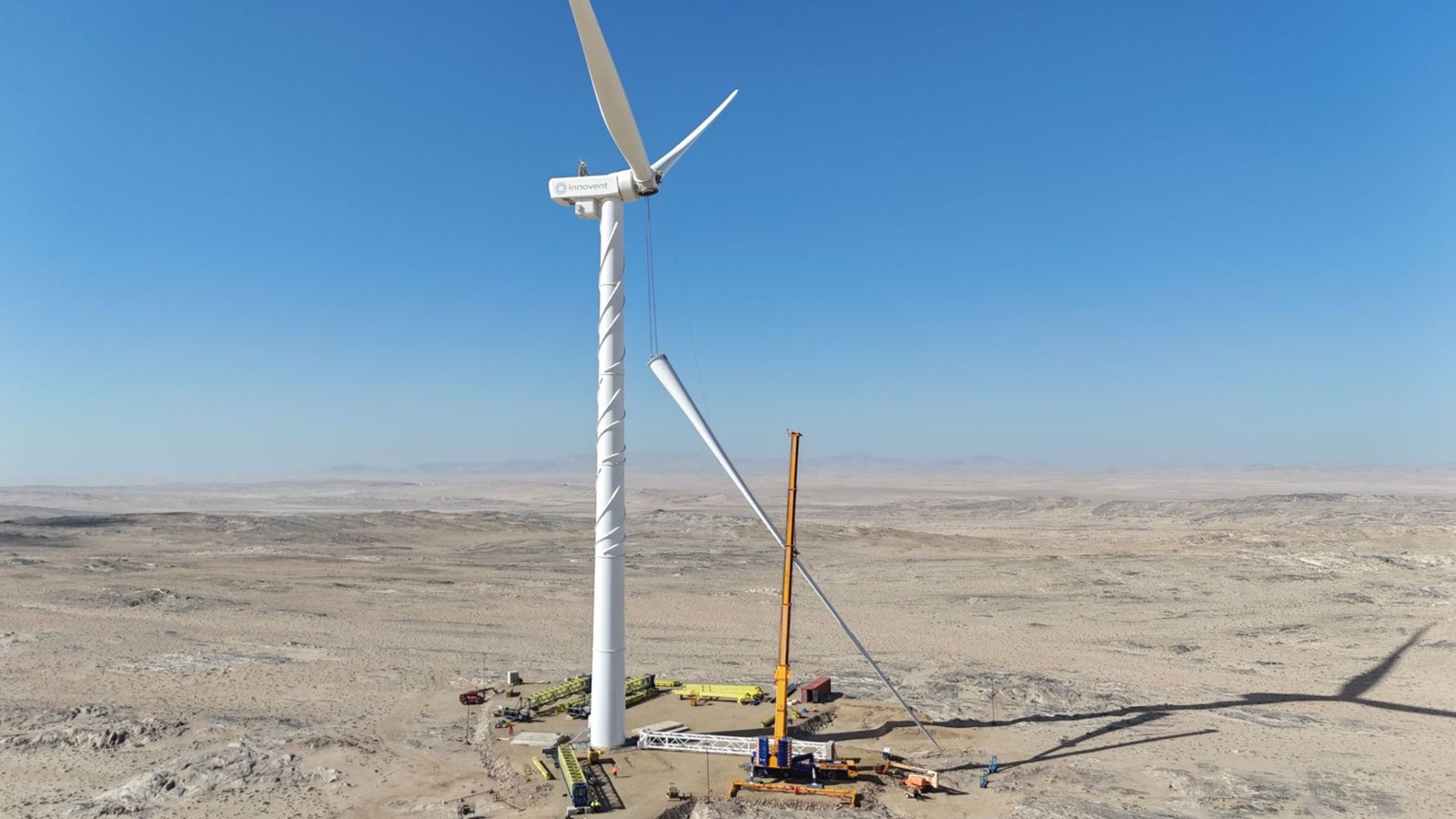
Wind farm in Namibia will have wind turbines assembled without giant cranes and is expected to avoid 200,000 tons of carbon dioxide per year when it becomes operational.

-
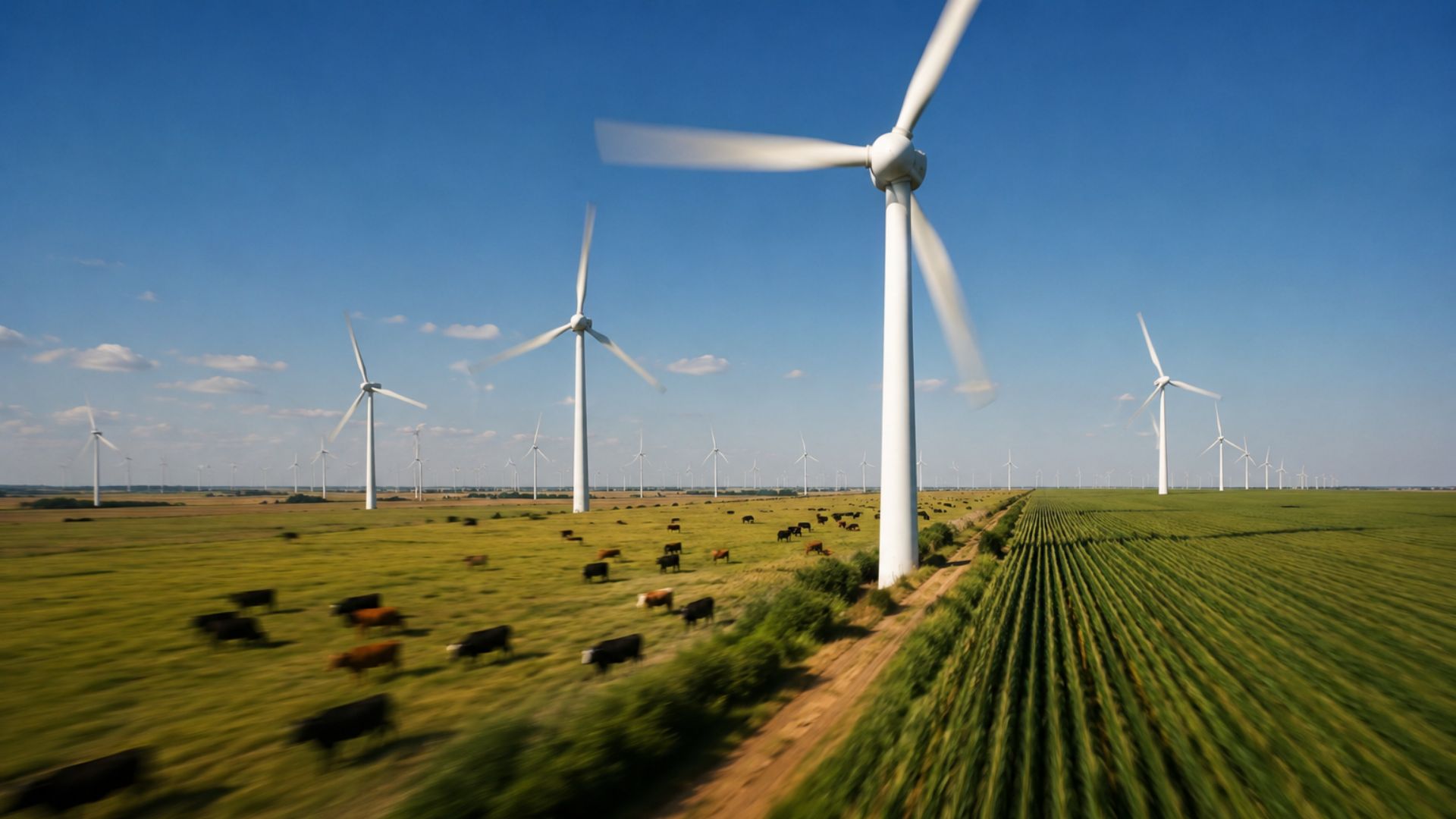
Taller than the Statue of Liberty, thousands of wind turbines are being planted in the middle of U.S. fields, creating two-story farms where corn and soybeans grow below while the wind turns into electricity above.


She mentioned that there have already been discussions with the minister of Mines and Energy and that solutions may emerge soon. Nevertheless, she emphasized that the problem requires immediate attention and also a look towards the future.
Gannoum was emphatic in stating that, while the reductions persist, investors should avoid new investments in wind projects in the country. “No one will invest as long as the ‘curtailment’ (technical jargon for reductions) is at the forefront,” she declared.
The ONS applies the reductions in real time for several reasons. Among them are limitations in the transmission network, ensuring the reliability of the system, and insufficient demand for the electricity generated at that moment.
The slowdown is already visible. In 2023, the installation of new wind farms lost momentum. The scenario reflects the difficulties faced by the sector and the situation of oversupply of electricity in the country.
Furthermore, Gannoum pointed out barriers to connecting new projects to the grid and a crisis in the supply chain. The lack of new orders compromises the sustainability of the wind sector. The expectation is that new measures will help to reverse this critical scenario.
With information from Valor Econômico.





-

1 person reacted to this.