Portuguese
  Spanish


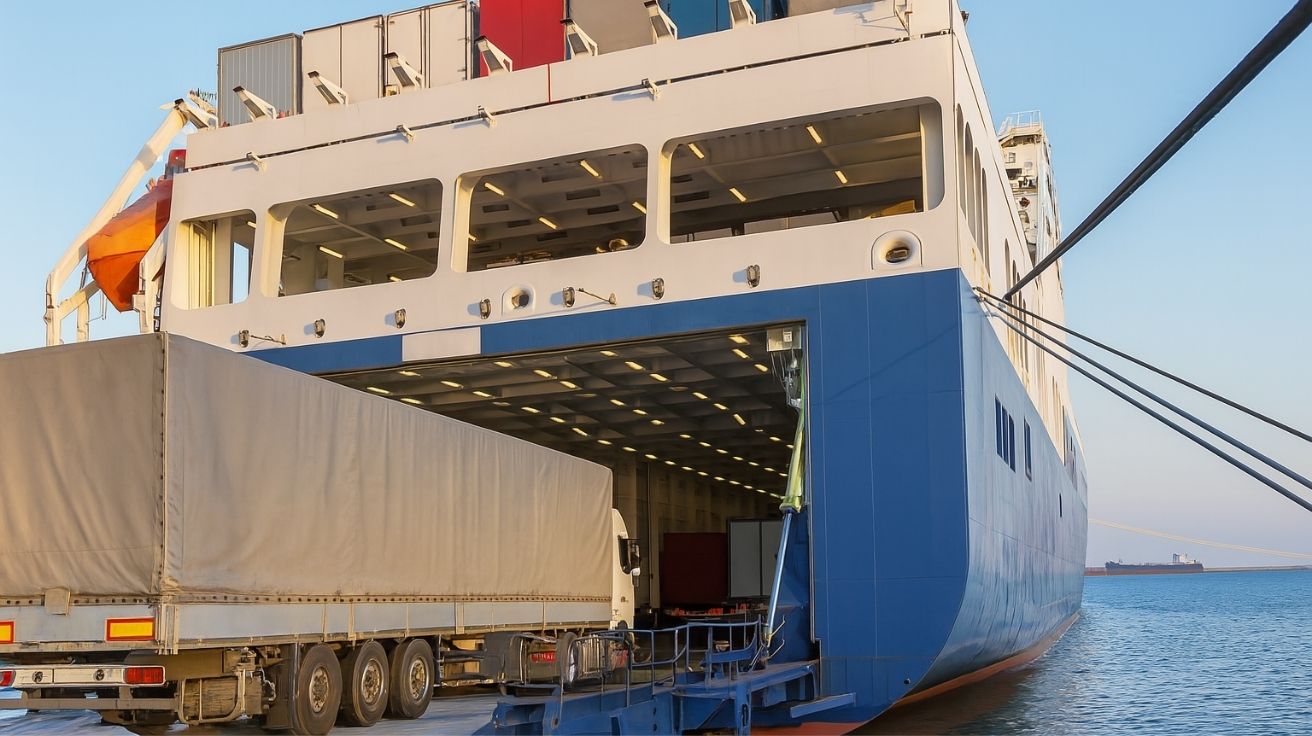

With Mobile Ramps, Continuous Operation, and Capacity for Up to 9,200 Cars, the Ro-Ro Cargo Ship Type Moves the Automotive Sector in Brazil with Unprecedented Logistical Efficiency
Vehicles from GWM, BYD, Caoa, among other imported brands circulating on Brazilian streets, arrive in the country via the ro-ro cargo ship, a vessel specialized in transporting cars, trucks, and wheeled machinery, without the need for cranes, using mobile ramps that accelerate the unloading process.
The ro-ro cargo ships (roll-on/roll-off) are designed to allow vehicles to board and disembark by rolling on their own, using ramps located at the bow, stern, or sides of the ship. This roll-on method makes operations safer, faster, and more economical.
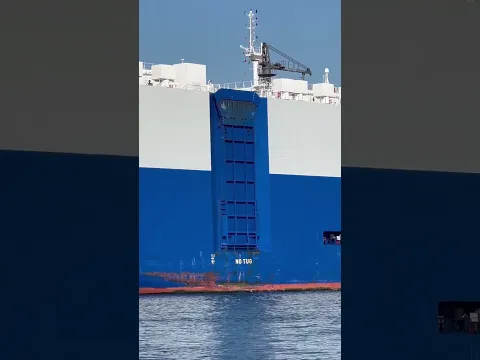

Models like the GWM Haval H6, BYD Song Plus, and Caoa SUVs arrive at Brazilian ports on ro-ro vessels from countries such as China and South Korea. The method allows for unloading up to 100 vehicles per hour, with extensive use of car haulers and specialized labor.
-
Petrobras Secures $2.2 Billion Contract to Build and Operate Four Support Vessels for Brazil’s Offshore Oil Fields

-
While many ports want to grow, Barcelona has decided to do the opposite and will cut cruise terminals from 7 to 5 after pressure from residents, protests, and crowds.

-
The United States wants to tighten control over submarine cables that carry 99% of international internet, silently cross oceans, total more than 400 routes worldwide, and have become a strategic piece in the competition for data, technology, and suppliers.
-
European Union looks again at Brazilian seafood after a nearly 8-year ban and may unlock a coveted market for lobster, tuna, tilapia, and shrimp.




How the Ro-Ro Cargo Ship Works
Unlike Lo-Lo (lift-on/lift-off) ships, which use cranes for loading and unloading, ro-ro vessels utilize ramps and internal decks with rolling lanes. Vehicles enter the ship as if they were in a multi-story vertical parking lot.
The cargo capacity is expressed in car-equivalent units (CEU) or lane meters, which correspond to the space in meters occupied by each row of vehicles. The BYD Shenzhen, for example, accommodates up to 9,200 vehicles, making it one of the largest ro-ro ships in operation worldwide.
These ships can navigate at speeds of up to 19 knots (about 35 km/h), ensuring agility even on long routes. Trips usually depart from the ports of Ningbo, Shanghai, or other Asian logistics hubs, destined for Brazilian ports such as Vitória (ES) and Itapoá (SC).
Logistical Efficiency and Market Impact
Recently, the BYD Shenzhen docked in Santa Catarina bringing 7,292 hybrid vehicles, mobilizing 130 car haulers and over 500 workers in an unprecedented operation. Just days before, another ro-ro cargo ship delivered 900 units from GWM at the port of Vitória.
In addition to ensuring agility, the ro-ro model reduces logistical costs and allows for more regular deliveries. This directly impacts the final price of vehicles to consumers, as well as improving the supply to dealerships and boosting sales.
The use of the ro-ro cargo ship also facilitates adherence to delivery deadlines during peak demand periods, such as model launches or sales promotions. This logistical predictability is a competitive advantage for Asian manufacturers expanding in Brazil.
Safety, Technology, and Growth in the Sector
Even with exposed ramps and vehicles unsecured on the decks, ro-ro ships are safe and equipped with automatic fire suppression systems, sensor monitoring, and reinforced structures to withstand rough seas. Accidents are rare and increasingly mitigated by new international regulations.
Companies like BYD, GWM, and CAOA have strengthened their presence in Brazil with the support of this naval technology. While GWM prepares its factory in Iracemápolis (SP), BYD is accelerating the construction of its plant in Camaçari (BA), promising greater logistical independence starting in 2025.
The first commercial ro-ro operation occurred in 1946, and since then this type of vessel has become the standard for international vehicle transportation, especially between China, Europe, and Latin America.