Portuguese
  Spanish


Climate Uncertainty Raises Concerns for the 2025/26 Soybean, Corn, and Coffee Harvest; Brazilian Producers Should Stay Alert.
The climate uncertainty in Brazil is already worrying producers and investors, bringing uncertainties for the 2025/26 soybean, corn, and coffee harvest.
According to the consultancy Markestrat, the combination of delays in rainfall and international volatility may affect everything from planting schedules to price formation.
Meanwhile, in the United States, crop diseases threaten corn productivity, a scenario that also impacts the global market for these commodities.
-
India’s Sugar Export Cuts and Ethanol Shift Amid El Niño Threat Could Impact Global Prices and Stocks

-
Quarantine Pest Threatening Palm Trees Puts Brazilian Authorities on Alert, Prompts Monitoring at University of Taubaté and Potential Control Measures Across São Paulo
-
Global Alert: Report Finds 159 Pesticides in Coffee Beans Sold in Europe, Posing Serious Risks to Millions of Farm Workers
-
Low-Demand Brazilian Beef Offal Gains Popularity Abroad: Indonesia Purchases $19.5 Million, Boosting Revenue and Reducing Waste



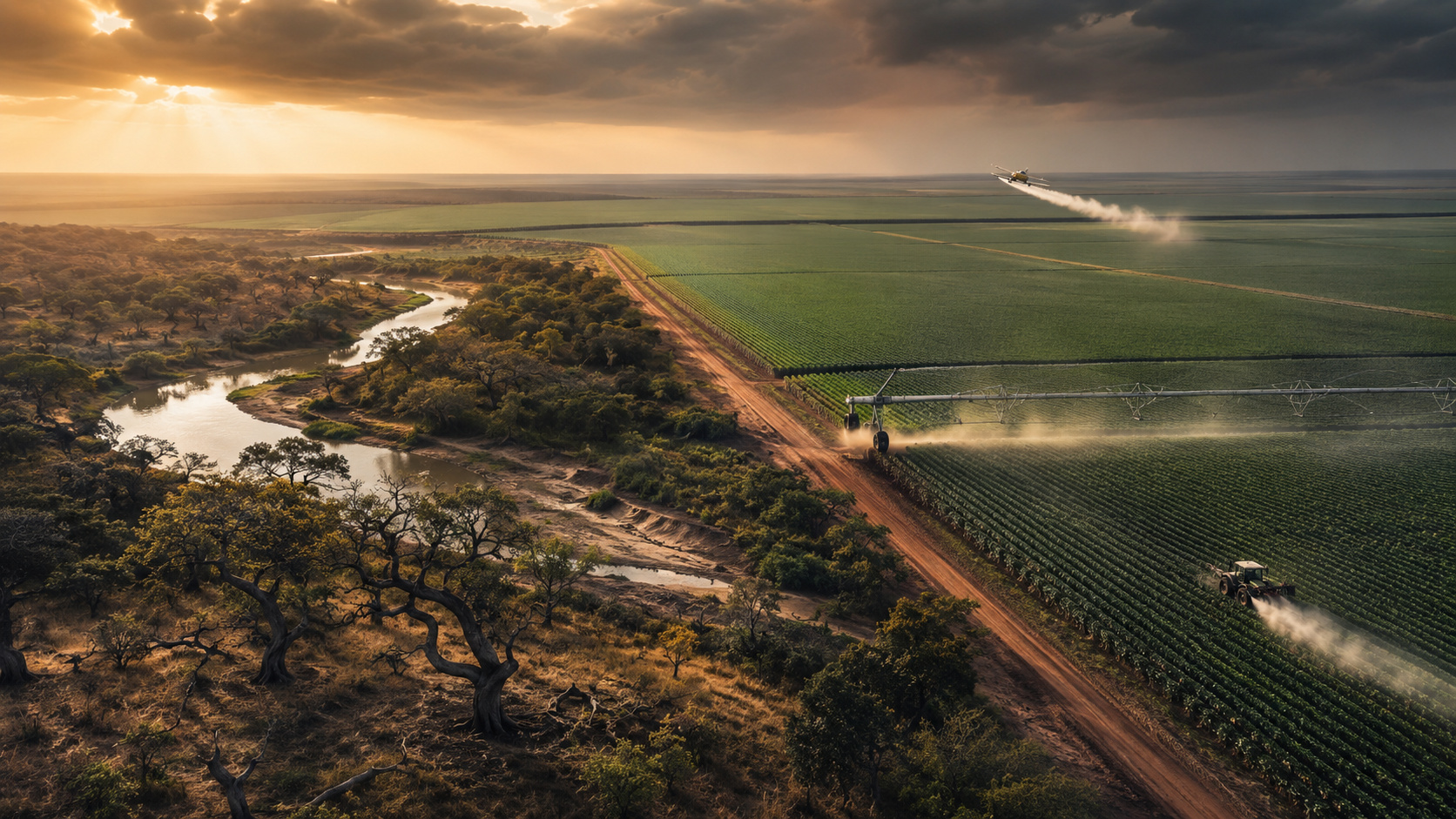
Soybean: Stable Prices, But Attention to the Weather
In the soybean market, futures contracts show a slight monthly appreciation, while physical prices remain virtually stable.
The situation reflects the transition between the completed harvest and the anticipation of the new planting season.
Markestrat warns that “climate uncertainty in the Midwest, with the possibility of delayed rainfall, is concerning and may postpone sowing, affecting production schedules.”
Therefore, producers should closely monitor weather forecasts and plan strategies to deal with potential delays.
Additionally, the consultancy recommends paying attention to the cost formation for the new harvest, considering climate risks and regulatory uncertainties.
This is essential to avoid financial surprises and maintain competitiveness in both domestic and international markets.
Corn: Physical Recovery and Attention to Diseases in the U.S.
For corn, the 2024/25 harvest closed with slightly recovering physical prices, while futures contracts recorded a decline due to external pressure.
In the United States, the spread of crop diseases threatens expected productivity, which may sustain international premiums paid for quality grains.
According to Markestrat: “for Brazilian producers, the scenario demonstrates the importance of monitoring the correlation between biofuels and exports, seeking to capture opportunities amidst external volatility.”
Thus, keeping an eye on global trends can generate strategic gains even during periods of uncertainty.
Coffee: Arabica on the Rise, Robusta Undergoing Adjustments
In the coffee market, arabica registered significant gains of 22.83% for the month and a weekly rise of 1.43%.
On the other hand, robusta experienced a slight physical decline of 0.66% last week but maintains recovery in futures contracts.
The consultancy highlights that “the flow of Brazilian exports remains robust, consolidating significant foreign exchange revenue and reinforcing confidence in the external market.”
Despite the stability in prices in New York, climatic and productivity factors may reintroduce volatility, requiring producers to carefully plan their sales and inventories.
Weather: A Key Factor for the Entire Harvest
The weather continues to be the main determinant of productivity and prices for soybean, corn, and coffee.
The forecast of delays in rainfall in the Brazilian Midwest may impact planting and harvesting, while extreme weather events in the U.S. affect global supply.
Thus, constant monitoring of weather conditions, along with analysis of export trends, is essential for producers to protect their margins and capture market opportunities.