Portuguese
  Spanish



A New Era Of Prosperity For Farmers With Solar Energy
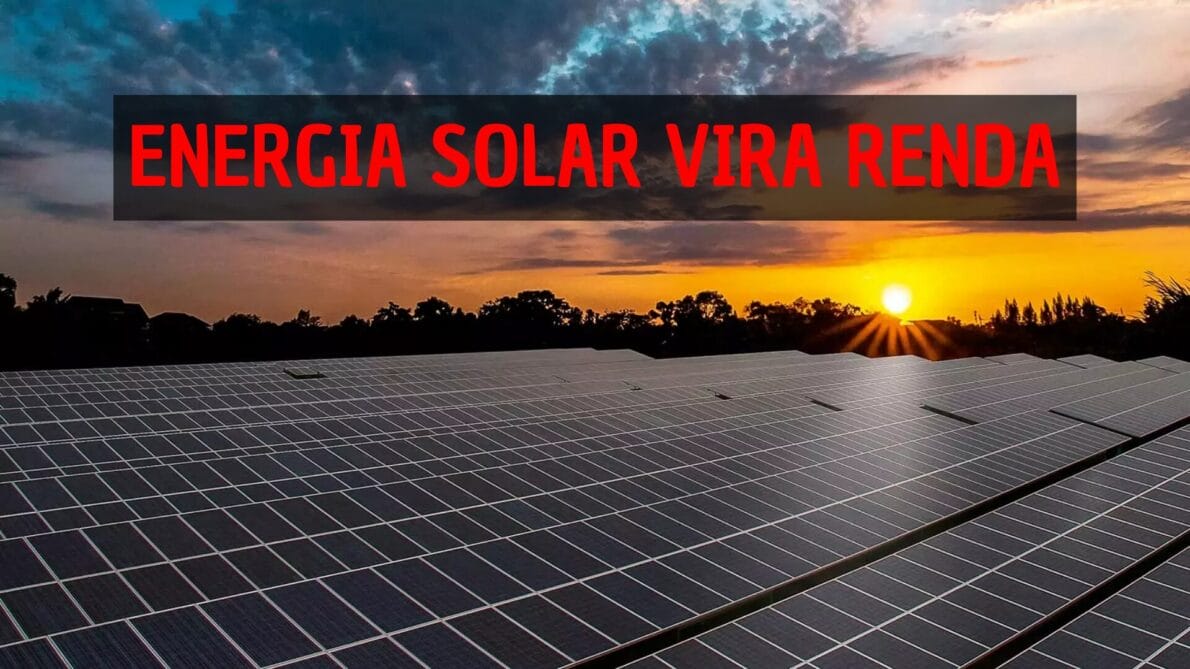
At the heart of rural Brazil, a transformation is underway. Solar energy, a clean and renewable source, emerges as a beacon of hope for landowners facing the challenge of degraded soils. A recent study by Embrapa revealed that approximately 28 million hectares of pastures in Brazil are suffering from degradation, jeopardizing agricultural productivity and sustainability. In light of this scenario, solar energy shines as a new income option, offering a greener and more profitable future, according to comprerural.
However, amidst these degraded soils arises a new opportunity; rural producers gain a new source of income and can start selling solar energy. There’s nothing better than making some ‘cash’ from land that was already deemed ‘condemned,’ right?
Selling Solar Energy As A Vector Of Change
The adoption of solar energy is not just a matter of sustainability; it is also a smart business strategy. With the support of favorable legislation and increasing demand for renewable energy sources, rural landowners are discovering that leasing their land to solar plants can be more profitable than traditional agricultural practices. Solar energy now represents a significant share of 15.9% of the national electric matrix, with the rural sector contributing over 15% of the country’s solar generation.
-
Public School Student Develops Biodegradable Fiber from Sugarcane Waste, Secures Admission to 7 Brazilian Universities Including USP and UFRJ
-
23-Year-Old Brazilian Turns Beekeeping into College Tuition, Harvesting Honey Twice a Year from 50 Hives
-
A Brazilian city decided to purchase a piece of the Atlantic Forest with more than 153,000 square meters, and owners of preserved areas will be able to submit proposals to transform the forest into a conservation unit.

-
Brazilian siblings aged 11 and 7 read 240 books in just one year and caught attention on social media: while many children spend hours on screens, they turned their family’s routine into an example of reading, discipline, and curiosity.

Solar Leasing: A Stable And Attractive Income
Leasing land for the installation of solar plants is becoming a common practice among rural landowners. This income not only offers landowners a financial return above traditional investments but also ensures a stable and predictable source of income. Marciliano Freitas, CEO of Desperta Energia, emphasizes that projects under the new legislation can offer returns exceeding 20% per year, depending on the location and specific characteristics of the plant.
Direct Investment: Higher Income, Higher Responsibility
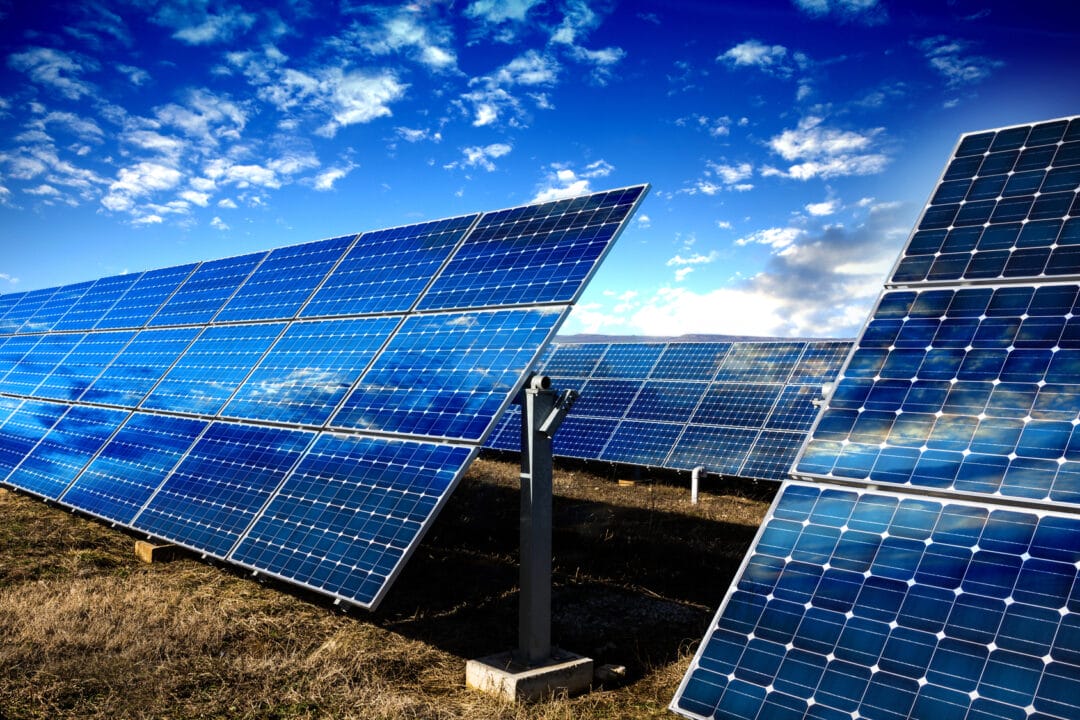
In addition to leasing, rural landowners have the option to invest directly in solar plants. Although this requires a significant initial investment, the income potential is considerably higher. A 75 kW plant, for example, may cost between R$ 260,000 to R$ 300,000 but can generate an annual income of up to R$ 85,000. It is an attractive opportunity for those willing to take on the responsibility for operational and maintenance costs.
Selling Solar Energy: Profit And Sustainability
Selling solar energy is a growing trend in Brazilian agribusiness. Rural landowners who choose to invest in solar plants can not only reduce their energy costs but also generate additional income by selling excess energy. This not only improves farm productivity and economy but also contributes to a more sustainable environment.
Therefore, solar energy is consolidating itself as a new income option for rural landowners in Brazil. Whether through leasing or direct investment, solar energy offers a profitable and sustainable alternative for low-productivity lands, paving the way for a brighter and greener future in the Brazilian countryside.