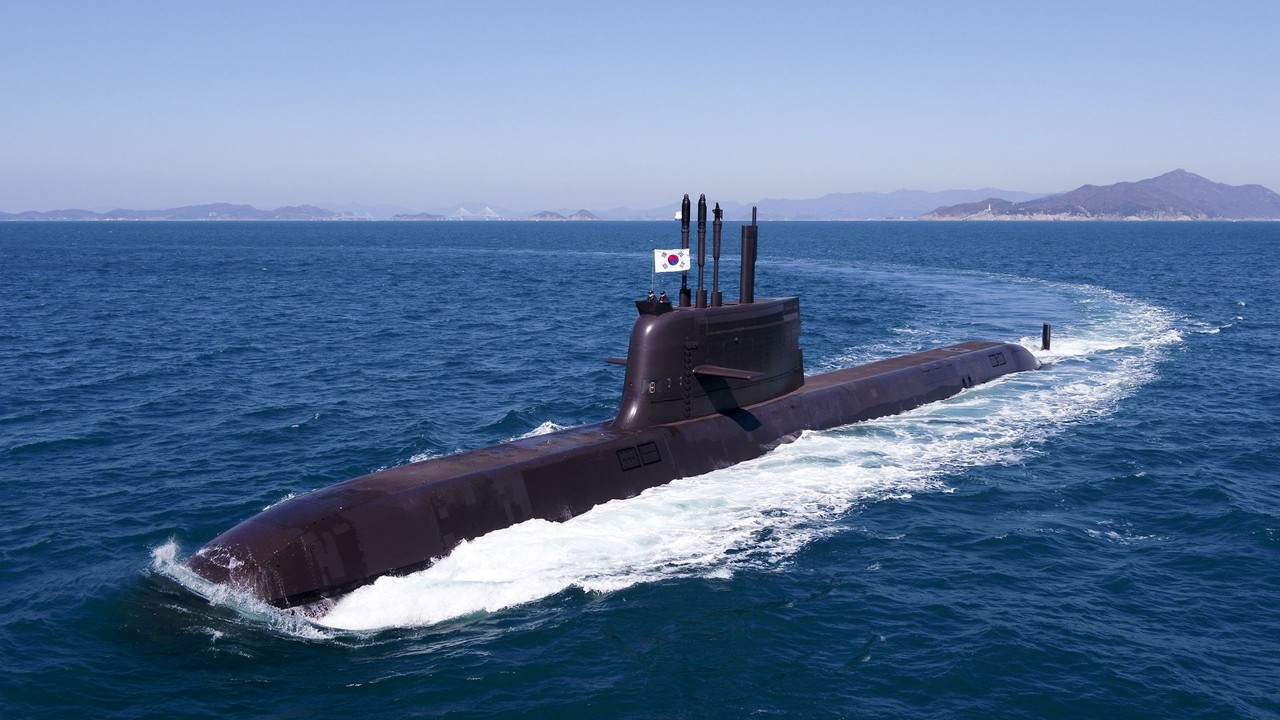
The United States has just made a decision that shakes up the entire Middle East board: they have approved the sale of 48 stealth F-35 fighters to Saudi Arabia, as part of a defense package totaling an impressive 142 billion dollars, placing the most advanced Western combat aircraft in Riyadh’s hands.
This is not just any sale of military equipment. The F-35 is the fighter jet that defines the pinnacle of aerial warfare technology today, and those who operate it join a select group that can see and attack before being seen. Therefore, the approval, still in the final negotiation phase, is already reorganizing alliances and suspicions in one of the planet’s most tense regions.
The end of an exclusivity that lasted years
Until now, Israel was the only Middle Eastern country authorized to fly the F-35. This was no accident. An American law obliges the U.S. government to ensure what is called Israel’s qualitative military edge, meaning ensuring that no neighbor has weaponry capable of threatening Israeli air superiority. Selling the same stealth fighter to Saudi Arabia, a country that does not even maintain formal diplomatic relations with Israel, directly affects this delicate arrangement.
The reasoning behind the decision is geopolitical above all. Bringing Riyadh closer to the American military orbit is a way to keep Saudi Arabia away from rival suppliers and to reinforce a bloc aligned with Washington at a time when other powers are vying for influence in the region. The fighter, in this case, is less a weapon and more a tool of heavy diplomacy.
-
The United States launches autonomous drone ship capable of hunting submarines and firing missiles

-
Poland’s Massive Tank and Artillery Purchases Make It Europe’s Largest Land Army Overnight
-
Indonesia Recovers Underwater Spy Drone, Sparking Debate: Is It a Machine or a Warship?
-
UK, Italy, and Japan Collaborate to Build Stealth Fighter Jet Set to Dominate Skies by 2035


Why this plane costs what it costs
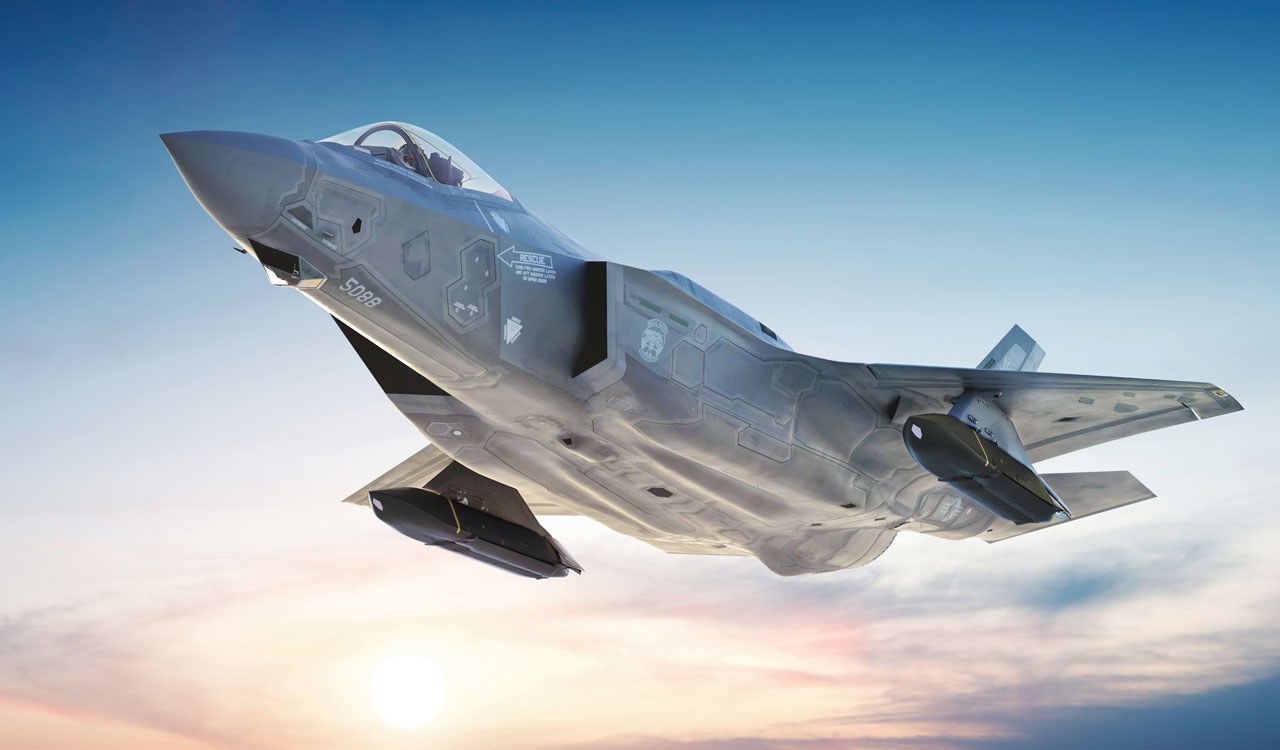
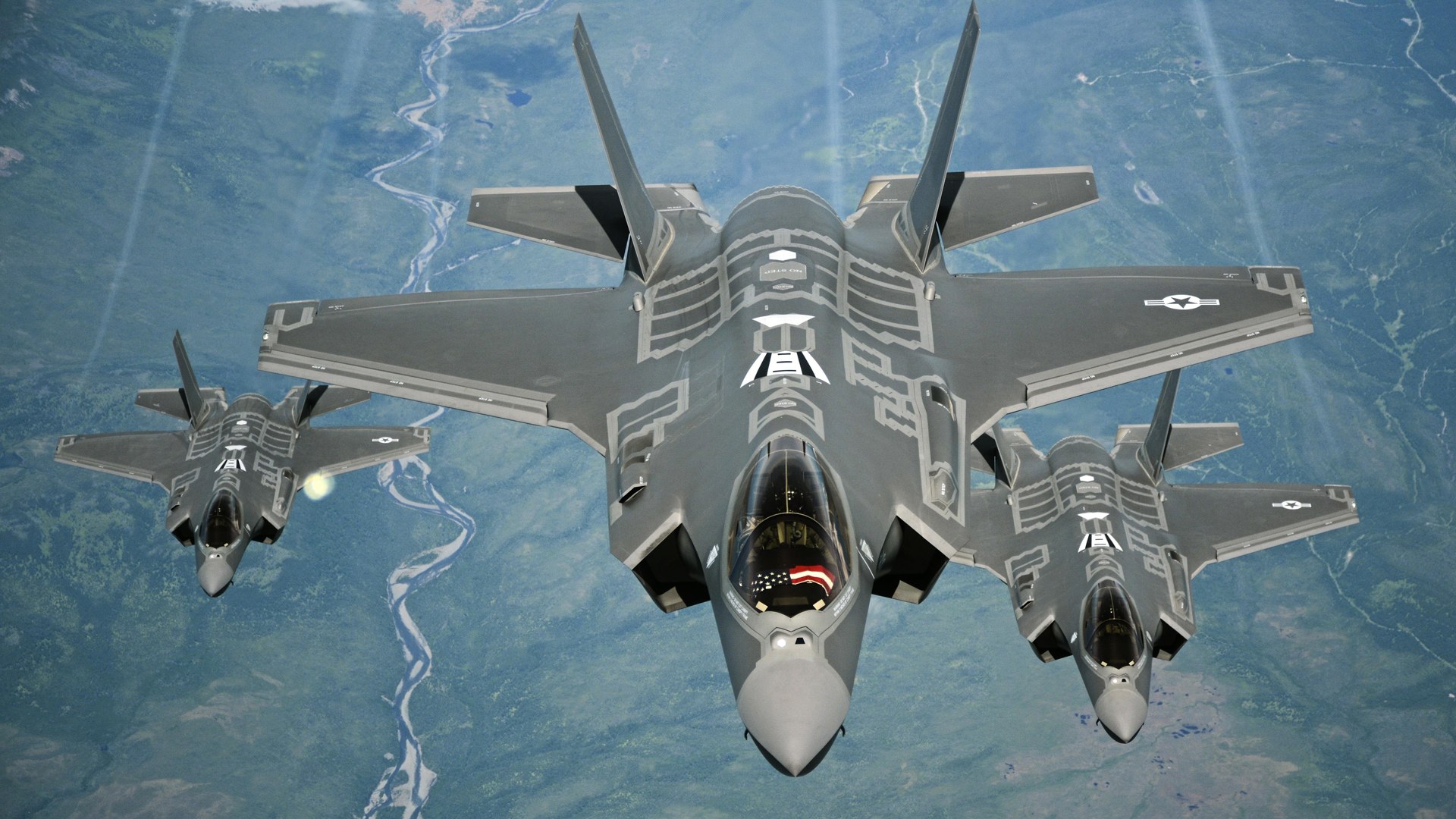
The F-35, manufactured by Lockheed Martin, is a fifth-generation fighter, the most modern category currently in operation. What sets it apart from a regular fighter is the combination of three things: stealth, which reduces radar signature to the point where the plane almost disappears from enemy screens; sensor fusion, which combines everything the fighter sees into a single clear picture for the pilot; and the ability to carry weapons within its own fuselage, maintaining the clean shape that makes it difficult to detect.
All this engineering has a price. Each unit costs tens of millions of dollars, and the real cost doesn’t stop at the purchase: it includes maintenance, pilot training, and the entire infrastructure to support a stealth fleet daily. I confess it’s the kind of number that scares, but it makes sense when you understand that a country doesn’t just buy the plane, it buys a complete warfare system that needs to last for decades.
To give an idea of the machine, the F-35 flies at about 1.6 times the speed of sound and is currently operated by approximately twenty countries, in a program that has become the most expensive in military history. It exists in three versions, and one of them can land vertically, like a helicopter, to operate on short runways or ships. Each fighter costs between eighty to one hundred million dollars, and it’s this package of rare capability that makes it a coveted object for any air force that can afford it.
142 billion and the queue of those who also want it
The 48 fighters are just a part of a much larger arrangement, about 142 billion dollars in defense, and deliveries are not expected to begin before 2029, a normal timeframe for a program of this complexity. Meanwhile, the Saudi approval unlocks a sort of queue: United Arab Emirates, Morocco, and Indonesia also appear on the list of candidates to receive the fighter, each for their own reasons.
There is a backdrop that weighs on this account. China already offers its own stealth fighters on the export market, and Russia tries to push theirs, even weakened by the war. Keeping Saudi Arabia buying American is, for Washington, a way to prevent this space from being open to rivals and to bind Riyadh to parts, software, and updates that only the United States provides for decades. Selling a stealth fighter also sells the dependency that comes with it.
The approval also usually comes with many conditions. To protect the fighter’s secrets, the United States tends to require the buyer to limit the use of rival technology near the planes and accept strict controls over maintenance, parts, and software updates. And behind the scenes, it is expected that Israel will pressure to ensure that the Saudi version comes a notch below theirs in some capabilities, preserving the qualitative edge that American law mandates to maintain. None of this is resolved overnight, and that’s why a deal of this size takes years between the announcement and the first delivery.
This move reveals a larger shift in how the United States uses the F-35. The plane has ceased to be just the jewel of its own air force and has become an instrument of foreign policy, carefully distributed to bind countries to Washington. We are witnessing, in practice, military technology becoming a currency of geopolitical exchange.
For Saudi Arabia, having the most advanced Western fighter is a leap in status and capability that repositions the country on the regional power map. For Israel, it is a cause for concern that will lead to much behind-the-scenes discussion. And for the rest of the world, it is another sign that the race for air superiority, far from cooling down, is just heating up.
Does putting the most advanced Western fighter in the hands of more countries make the region more stable or more dangerous? Share what you think below.