Portuguese
  Spanish


A country that for almost eighty years maintained a restrained military posture has now accelerated its hypersonic missile program, with a series of tests and the promise to put these weapons into operation later this year, in a historic shift that speaks volumes about tensions in East Asia.
Japan has always been known for cautious defense, a legacy of a pacifist constitution adopted after World War II. For decades, the country preferred to maintain lean armed forces focused solely on defense. Therefore, seeing it accelerate the development of hypersonic missiles, with several tests and deployment plans already for 2026, is a significant change and a sign of the times.
These weapons fly at more than five times the speed of sound and are almost impossible to intercept, which has made them the most coveted at the moment. Japan diving headfirst into this race shows how the climate in the region has changed, with increasingly armed neighbors and a growing sense that the country needs to be able to defend itself independently.
Why a pacifist country changes course
To understand the magnitude of this turnaround, it’s necessary to remember where Japan comes from. After 1945, the country embraced a non-aggression stance, with limited military spending and a tradition of avoiding anything that seemed offensive. For a long time, its security relied heavily on the alliance with the United States, rather than on its own long-range weapons.
-
Poland’s Massive Tank and Artillery Purchases Make It Europe’s Largest Land Army Overnight

-
Indonesia Recovers Underwater Spy Drone, Sparking Debate: Is It a Machine or a Warship?
-
UK, Italy, and Japan Collaborate to Build Stealth Fighter Jet Set to Dominate Skies by 2035
-
South Korea Surpasses Germany, Its Former Submarine Mentor, by Advancing to Nuclear Submarines


I confess it’s impressive to see a nation with this history invest heavily in missiles capable of hitting distant targets. What changed was the surrounding environment, with a more tense Asia, territorial disputes at sea, and neighboring powers flexing their muscles. In light of this, Japan concluded that relying solely on external protection is no longer enough, and that it needs to be able to respond independently to any potential threat.
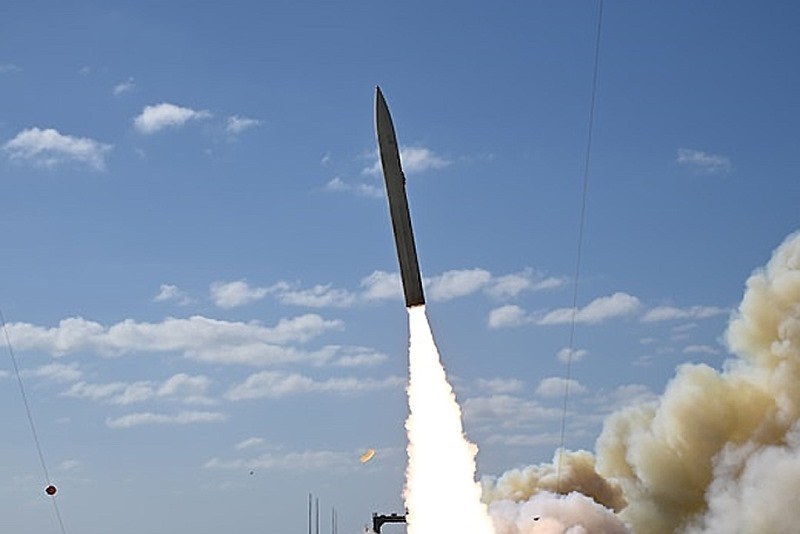
The engineering of the world’s fastest weapons
Making a hypersonic missile work is not simple, and few countries in the world master this technology. The big challenge is heat: flying at such high speeds generates brutal friction with the air, which heats the weapon to the point of melting common materials. Special alloys and coatings are needed to prevent the missile from disintegrating along the way.
Additionally, there’s the challenge of controlling something that moves so fast. Guiding a projectile that crosses hundreds of kilometers in a few minutes, maintaining precision to the target, requires sensors, computers, and materials of the highest level. Each successful test by Japan is a step on this difficult ladder, showing that the country is gradually mastering one of the most complex military engineering feats that exist.
It’s important to remember that this effort doesn’t happen in a vacuum. The United States, China, and Russia have been racing for years to deploy their own hypersonic weapons, and the feeling of being left behind usually accelerates investments. When a neighbor advances, others feel the need to keep up, lest they become vulnerable. This race dynamic helps explain why Japan, despite its cautious tradition, decided to pick up the pace right now.
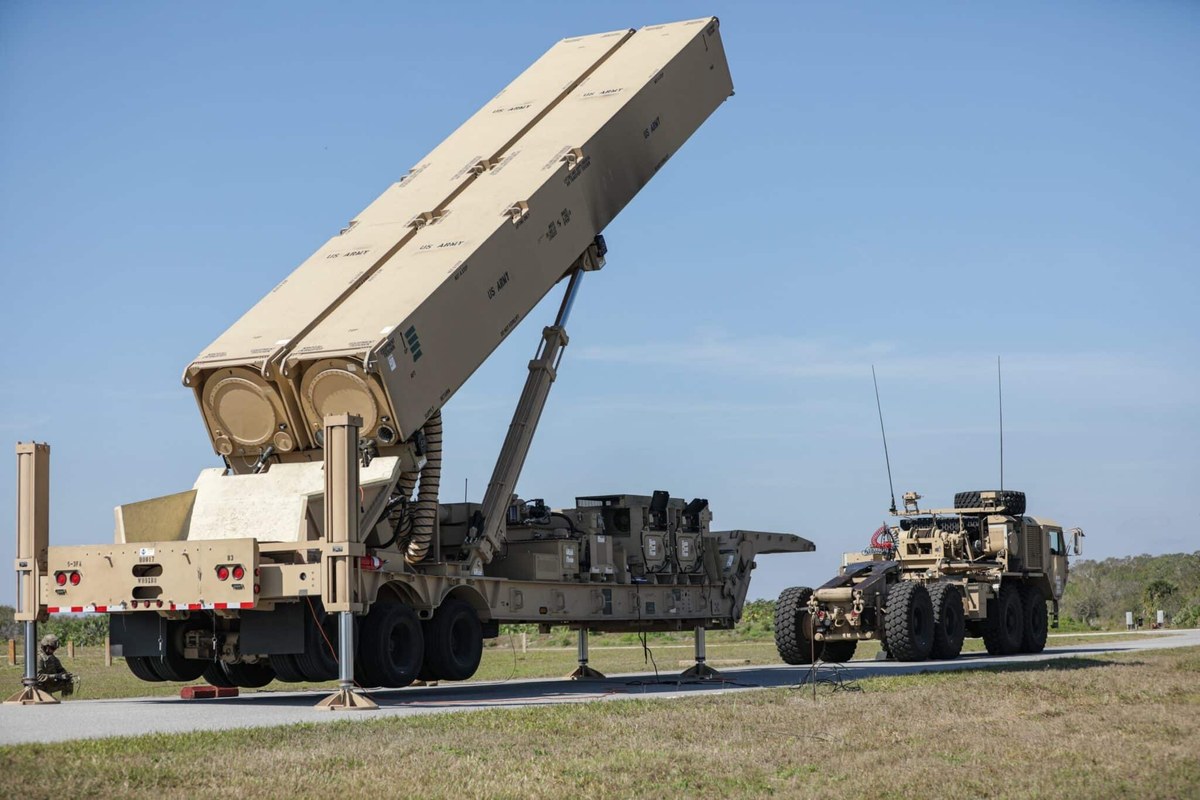
What this means for the balance in Asia
Japan‘s entry into this race shakes the delicate balance of East Asia. The region hosts some of the most powerful navies and air forces on the planet, as well as long-standing disputes over islands and maritime routes. A Japan with long-range, high-speed weapons changes the calculations of anyone considering provoking it.
On one hand, this can act as a deterrent, making adversaries think twice before acting. On the other hand, it fuels fears of an increasingly intense arms race in the region, where each new missile from one country pushes neighbors to respond with their own. It’s the old security dilemma, where arming oneself for protection can end up making everyone more tense.
For Brazil and the rest of the world, following this movement matters more than it seems. East Asia concentrates a large part of the world’s economy and trade, with maritime routes through which goods that supply all continents pass. Any major tension in this region affects prices, production chains, and global stability. Therefore, seeing a country as significant as Japan change its defense posture is a signal that goes far beyond its borders, saying something about the global climate at this moment.
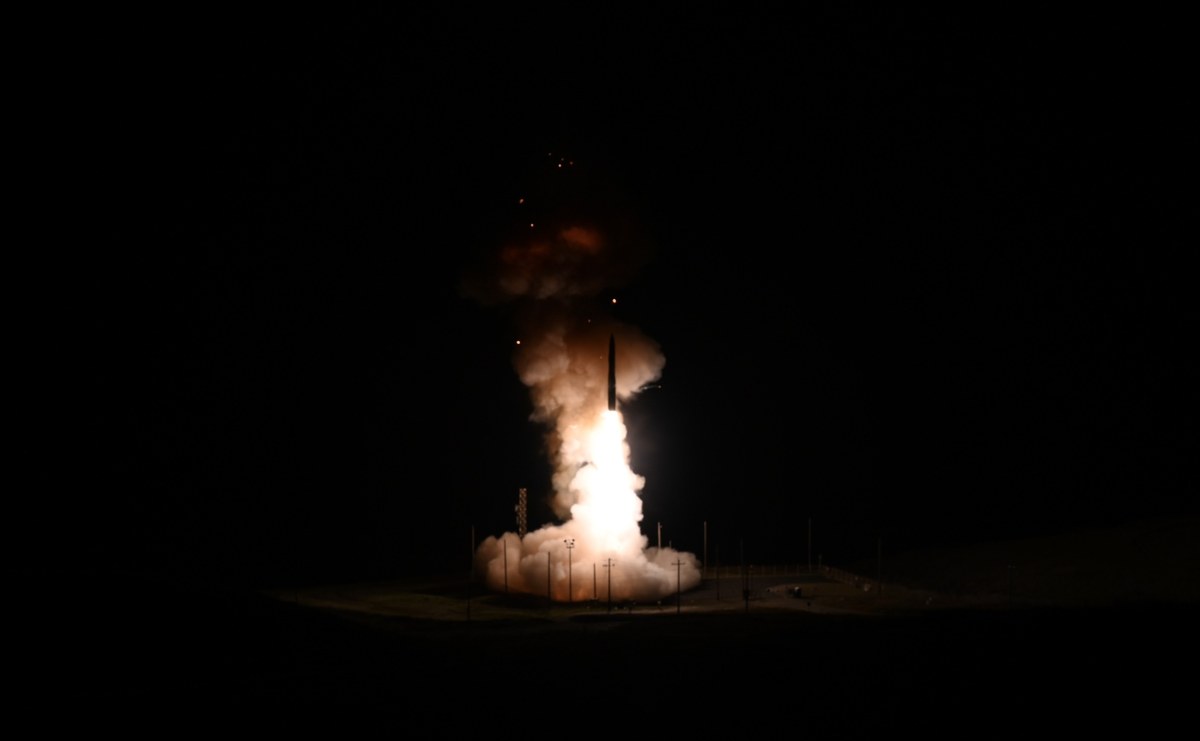
A new chapter for Japanese defense
I imagine the historical weight of this moment, with a country marked by the tragedy of war returning to invest in powerful weapons, not out of aggression, but out of fear of being unprotected in an increasingly uncertain world. It’s a decision laden with symbolism, breaking with decades of an almost exclusively defensive posture.
The acceleration of Japan‘s hypersonic program marks a new chapter in the country’s defense history. It shows that even the most cautious nations don’t feel secure enough to stay out of this technological race. And it suggests that, in the coming years, the power map in Asia will be drawn, in large part, by those who master weapons that fly too fast to be stopped.
Should a country with Japan’s past return to investing so much in armament, or is it better to maintain the pacifist tradition?