






 Portuguese
  Spanish





Stablecoin Is A Type Of Cryptocurrency Pegged To Traditional Currencies Or Assets Created To Reduce Common Volatility In The Crypto Market
Stablecoin is a cryptocurrency designed to maintain a stable value, typically pegged to traditional currencies like the dollar, the euro, or even the real. Unlike Bitcoin, which fluctuates significantly in price, stablecoins were created to offer more security and predictability in digital transactions.
In recent years, stablecoins have gained traction as a means of payment, protection against inflation, and an alternative for international transfers. But what exactly is a stablecoin, how does it work, and what are the risks involved? Understand everything below based on official data from exchanges and recognized issuers in the market.
How A Stablecoin Works And What Differentiates It From Other Cryptos
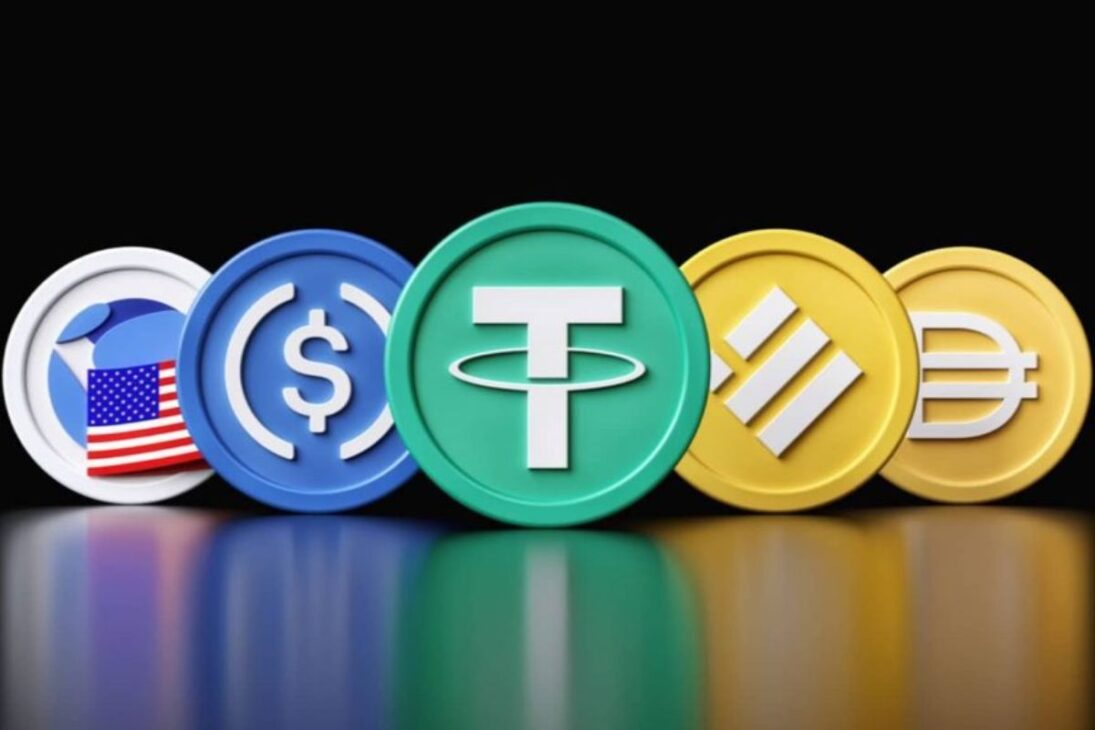
What Is A Stablecoin? It is a cryptocurrency that tries to maintain a fixed price, usually worth 1 to 1 with some fiat currency. The most common ones are backed by the dollar, such as USDT (Tether) and USDC (Circle), which declare that they maintain cash reserves to ensure this balance.
-
Brazil’s 2026 Tax Refund: Record 9.58 Million Filers in Largest Payout Ever, But a Key Detail on Priority Recipients Draws Nationwide Attention

-
Itaú Alters Hybrid Work Model, Increasing Office Days from 2028, Prompting Employees to Adjust to New Routine
-
Facing Labor Shortage, Japan Plans to Invest $34 Million to Attract Foreign Workers in Construction, Healthcare, Industry, and Commerce

-
Brazilian City Makes Remarkable Leap, Becomes 4th Wealthiest in the Country with GDP of R$ 134.1 Billion




Unlike Bitcoin, which can rise or fall hundreds of reais per day, the stablecoin has lower volatility. It is useful in times of currency crisis or for those who want to avoid volatility without leaving the crypto environment. However, not all are the same: some are fiat-backed (backed by dollar reserves), others are collateralized by other cryptos, and there are also algorithmic ones, which try to maintain parity through programming with higher risks.
Where To Buy And How To Use A Stablecoin In Practice

You can buy stablecoins on exchanges like Binance, Mercado Bitcoin, Coinbase, OKX, and Kraken. Just create an account, deposit reais, and choose the desired stablecoin. After the purchase, the asset can be stored on the platform itself or transferred to digital wallets like Trust Wallet or MetaMask.
Stablecoins are useful for:
Making digital payments, even on international websites that accept cryptocurrencies;
Sending money abroad with lower fees and faster than banks;
Protecting your assets in times of dollar appreciation or depreciation of the real;
Investing in decentralized finance (DeFi) and earning returns by lending the coins — always with an eye on the risks.
Some platforms already offer Visa or Mastercard cards linked to stablecoins, allowing you to spend as if they were reais or dollars.
What Are The Types Of Stablecoin And What To Look Out For Before Using
Not all stablecoins have the same structure. The main models are:
Fiat-backed: guaranteed by reserves in real cash (e.g., USDT, USDC);
Crypto-backed: use other cryptos as collateral (e.g., DAI);
Algorithmic: have no physical reserves, using automated logic to maintain parity — they are riskier.
Furthermore, it is important to verify:
Issuer Transparency: if there are independent audits and public information about the reserves;
Degree of Centralization: stablecoins linked to companies (like Circle) differ from projects managed by DAOs, like DAI;
Liquidity and Market Volume, to avoid issues in larger operations.
Understanding what a stablecoin is helps make safer decisions in the crypto world. Although they promise stability, these currencies still depend on the solidity of their issuers and market trust. For those seeking practicality and lower volatility, they are an accessible entry point.
Have you used stablecoins to protect your money or make payments? Share your experience with us!








