Portuguese
  Spanish


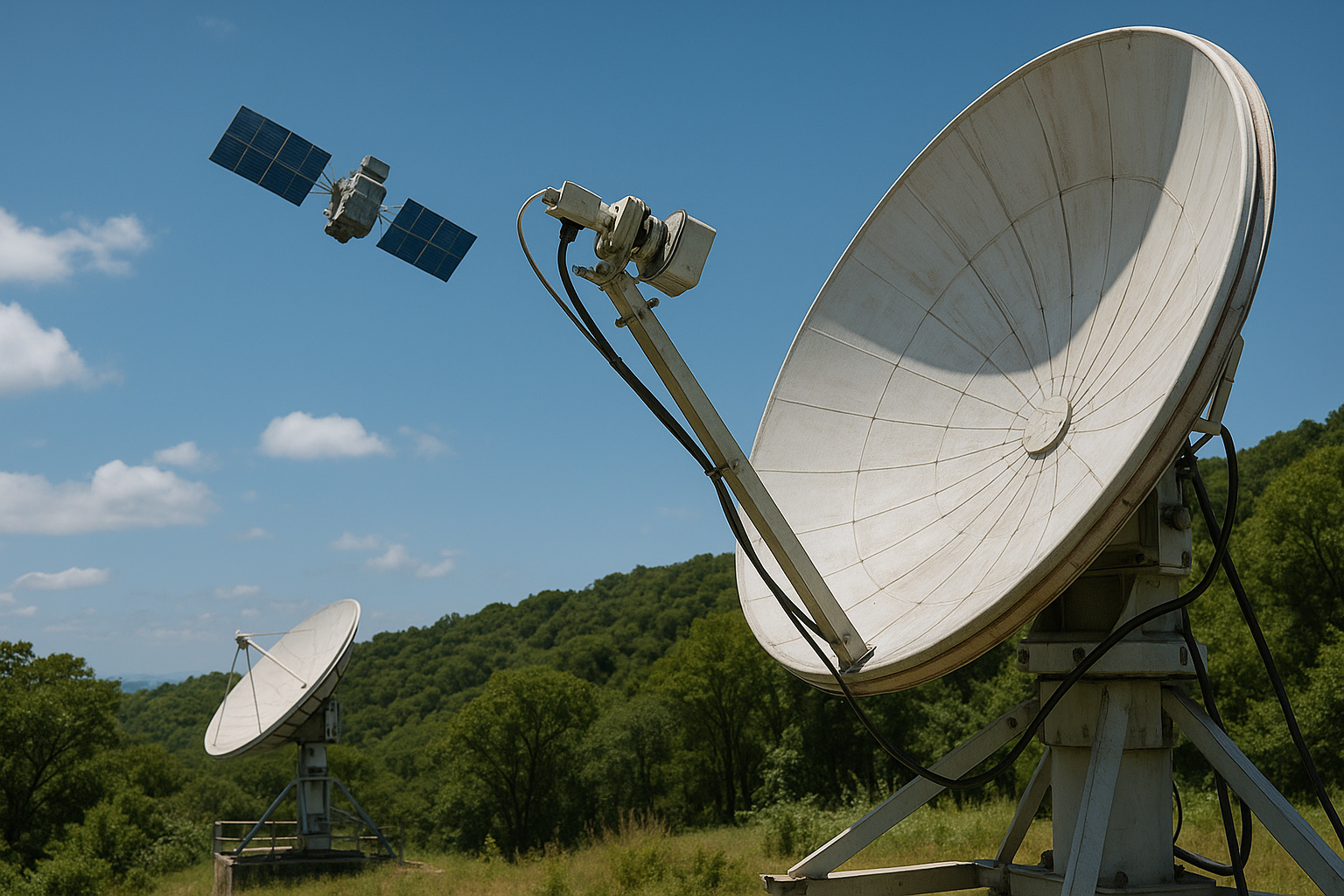


Agreement Signed in November 2024 Boosts MEO Technology and Expands Alternatives to Starlink in Strategic Services.
A highly impactful technological initiative was recently announced in Brazil, attracting attention from the telecommunications sector.
Telebras confirmed on November 4, 2024, the signing of a Memorandum of Understanding with the European operator SES, which is considered one of the biggest rivals of Starlink, from Elon Musk.
Additionally, the agreement could bring 1 Gbps satellite internet to remote areas still facing structural limitations.
According to President André Leandro Magalhães, the partnership will allow the evaluation of critical communication solutions, including actions for digital inclusion, strategic communications, and government services.
Moreover, SES operates with medium Earth orbit (MEO) satellites, which function differently from the LEO networks used by Starlink.
Technical Investigation Reveals Unique Potential of MEO Technology
The advancement presented by Telebras results from technical analyses studying the use of SES’ MEO satellites, which operate between 2,000 km and 36,000 km altitude.
According to official data released by the company, the technology guarantees a balance between latency, coverage, and speed, creating a robust alternative to LEO networks.
In addition, the O3b and O3b mPOWER constellations offer 96% global coverage, reaching about 7.5 billion people.
-
Germany Opens World’s Largest Smart Power Semiconductor Factory with €5 Billion Investment, Creating 1,000 Jobs and Doubling Capacity for AI and Energy Needs

-
Kazakhstan’s Torysh Valley Holds Thousands of Giant Stone Spheres, Intriguing Scientists with Ancient Oceanic “Cannonballs”

-
Egypt Discovers 18 Ancient Tombs with Gold Tongues, Unveiling Unusual Funeral Rituals and Amulets Believed to Give Voice to the Dead

-
Nigeria Dumps 120 Million Tons of Sand into Atlantic to Build Massive City with 8.4 km Sea Wall for Protection Against Ocean Waves and Erosion



SES explained that each MEO satellite transfers the connection only once per hour, reducing equipment needs compared to LEO satellites, which make transfers every 10 minutes.
Furthermore, Telebras noted that the institutions are already cooperating in the use of SES-17, which is part of the GESAC program.
Economic and Social Impacts of the New Connectivity
The potential of 1 Gbps presented by MEO technology creates strategic opportunities to strengthen essential services.
Additionally, this capacity may expand service in isolated areas, support government operations, and strengthen sectors such as education, health, and public safety.
Experts highlight that this expansion could attract investments and stimulate modernization in the satellite communication sector.
Still, SES acknowledged that MEO latency is slightly higher than that observed in LEO satellites.
However, experts argue that the impact is minimized in government and operational applications.
Additionally, Telebras emphasized that all operations will follow strict technical criteria, ensuring stability, security, and transparency.
Official Tests During COP30 Attract National Attention
Telebras confirmed that technology tests will take place during the COP30, from November 10 to 22, 2024, in Belém (PA).
Furthermore, MEO satellites will provide secure communications to the federal government, supporting critical operations and public safety actions.
Although the memorandum is not binding, officials stated that the tests could guide future steps in cooperation.
Planning for Sustainable Adoption of Technology
Brazil is focused on creating solid parameters for the use of MEO technology.
Telebras conducts constant technical analyses to evaluate performance, operational viability, and impact in remote areas.
Moreover, the state-owned company reiterated that all future operations will be regulated and strictly monitored.
The Adoption of Technology in the Global Context
The announced advancement follows a global trend of expanding satellite connectivity.
Other countries are investing in high-capacity networks to democratize digital access, modernizing public services and reducing inequalities.
Furthermore, these movements reinforce the need for sustainable technologies that balance innovation, wide coverage, and operational responsibility.
What Does the Future Hold for Brazilian Connectivity?
Experts indicate that this initiative could be a game changer for Brazil.
The ability to transform technical potential into public benefit will depend on efficient governance and operational continuity.
Meanwhile, the competition between Telebras + SES and Starlink highlights significant challenges for balancing coverage, efficiency, and competitiveness.
In this scenario, what should be the national priority: rapidly accelerate the implementation of the MEO network or gradually advance to ensure long-term stability and sustainability?