Portuguese
  Spanish


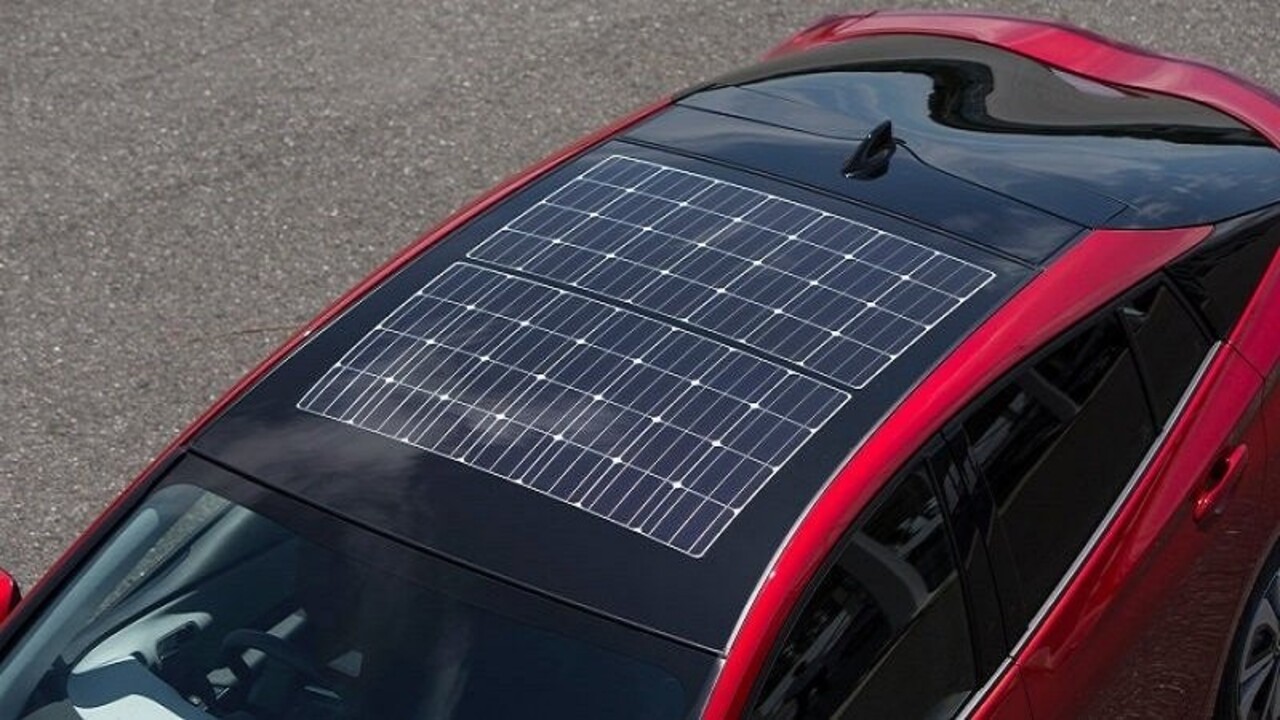

Startup Sono Motors Aims to Bring Electric Car Technology and Use Solar Energy in Vehicles
The German startup said on Tuesday during a presentation at the 2021 CES virtual technology fair that it will license its solar energy technology in electric cars to other companies. EasyMile, which provides autonomous electric buses for governments, universities, and other companies, will be the first to integrate the company’s solar energy panels into its vehicles.
Read Also
A Simple Electric Car That Does Not Pollute the Environment – Startup Sono Motors
From afar, the Sion electric car from Startup Sono Motors looks like a compact car with black paint. Upon closer inspection, the entire exterior of the vehicle is actually made up of hundreds of solar cells that have been integrated into polymer instead of glass.
This makes the electric cars lighter, more robust, cheaper, and more efficient than any other technology currently available in the markets, according to Arun Ramakrishnan, senior solar integration manager at Sono Motors, who added that they can be integrated into almost any object.
-
Fired during apartheid and with a little borrowed money, an electrician started with a borrowed truck and transformed electrical services into a group connected to energy, real estate, and infrastructure in South Africa.

-
Wood has ceased to be just a construction material in Yale research and has become insulation for electrical transformers that face intense heat, aging, and increasing pressure from the renewable energy-powered grid.
-
More than 1,000 residents of a remote island in Kiribati now have clean water and electricity with solar systems operated by the community itself.
-
The Port of Itaqui closes the best first semester in history with over 17 million tons and takes off as the locomotive of the Northern Arc.




Lightweight and Affordable Electric Cars
The solar energy panels on the body of the Startup’s electric cars are lightweight – comparable to traditional panels on today’s modern cars – and the polymer coating prevents the cells from breaking, the company said.
These solar cells convert sunlight into energy, which is stored in the vehicle’s battery. The solar cells, which function whether a vehicle is driving or parked, can add about 21.7 miles of daily range to the Sion car, the company stated, noting that these statistics are based on average weather in Munich.
“The goal is to make electric cars less dependent on charging infrastructure and more affordable when they reach the end consumer,” said Hahn.