






 Portuguese
  Spanish


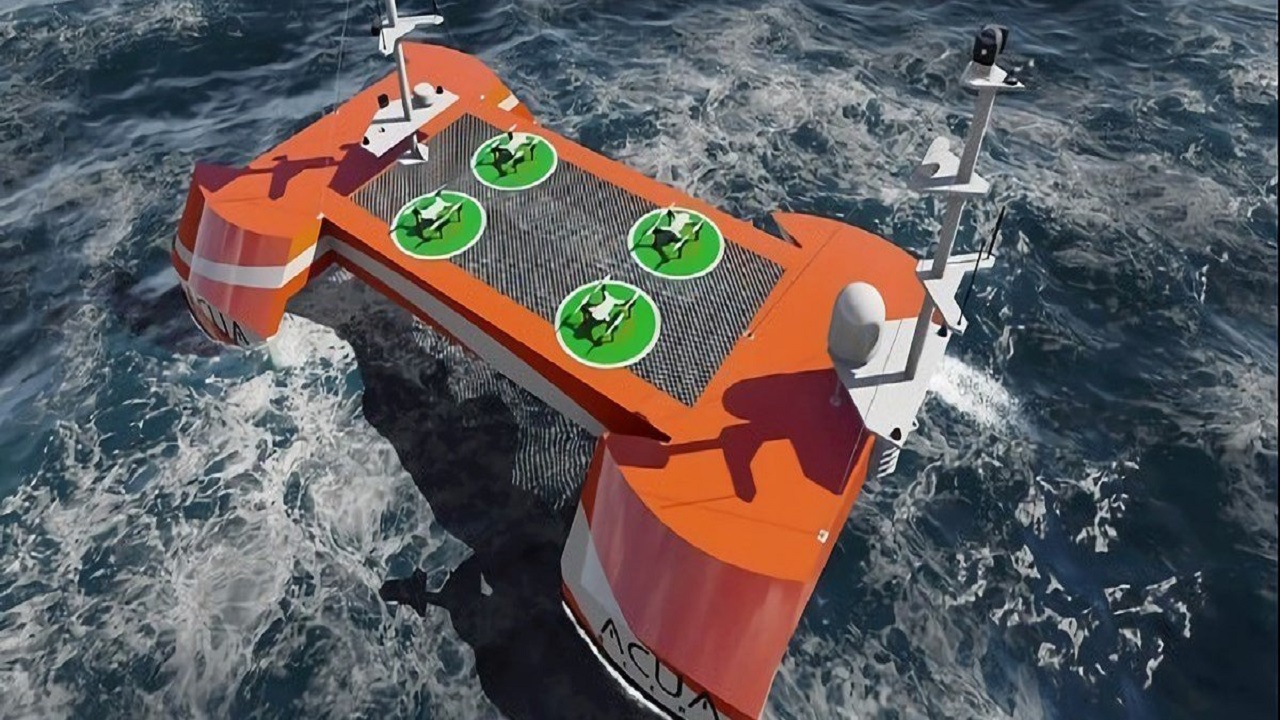

A British Company Is Developing a Hydrogen-Powered Ship That Could Reach the Market as Early as 2025. The Vessel Will Have the Capacity for Trips Between 40 and 60 Days Without Needing to Refuel.
A clean marine energy startup called Acua Ocean is designing a hydrogen-powered ship named Unmanned Surface Vehicle. In addition to using hydrogen, the vessel will also feature autonomous navigation technology, set to be introduced to the market in the coming years. Approval has been granted by Lloyd’s Register, a UK classification society, for both its Hydrogen system and its engineering and electrical power distribution control system.
Hydrogen-Powered Ship Could Reach the Market in 2025
The aim of the initiative is for the vessel to perform various distinct missions such as monitoring, collecting, and securing environmental data, without worrying about pollutant emissions. This project falls under the definitions of a Maritime Autonomous Surface Ship (MASS).
The design will accommodate 6,000 liters of liquid hydrogen. The estimate is that it will be possible to make trips lasting between 40 to 60 days, at an average speed of 4 knots, which is equivalent to 7.4 km/h, with the capacity to carry about 4,500 kg using hydrogen to reduce CO₂ emissions during operations.
-
British Factory Transitions from Mechanical Parts to Producing 420,000 Electric Power Units Annually, Supplying 70% of Ford’s Electric Cars Sold in Europe

-
Toyota Shifts from Hybrid Cars to Electric Air Taxis with Joby’s 6-Rotor Aircraft, Capable of 322 km/h, Aiming for Mass Production to Electrify Urban Skies

-
Ferrari Unveils Limited Edition 12Cilindri Manuale: 6.5-Liter V12, 830 HP, 0-100 km/h in 2.9 Seconds, Top Speed Over 340 km/h, Only 1,499 Units Available

-
Discover the 2021 Fiat Cronos 1.3: Affordable Maintenance, Reliable Mechanics, and Fuel Efficiency of Up to 15.6 km/l


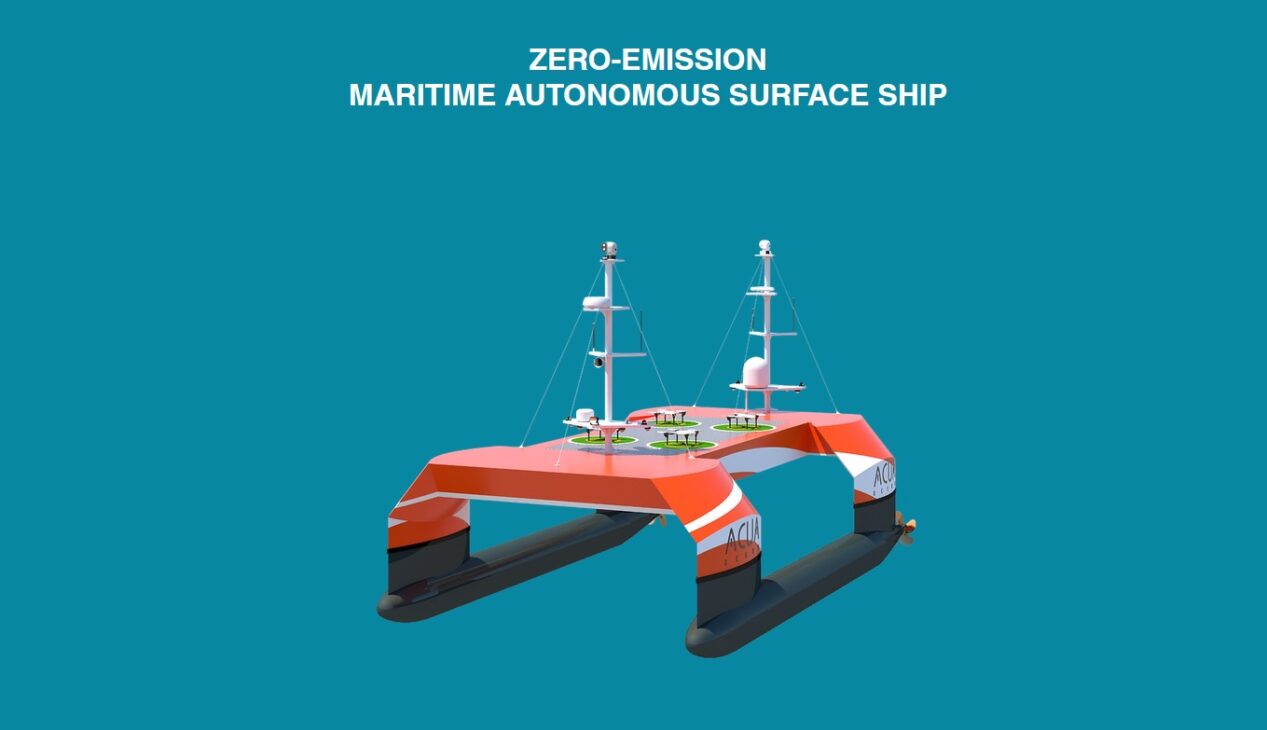
This is one of the main advantages, considering that various countries are setting goals to achieve the desired zero-emission plan by 2025. Prototypes of the hydrogen-powered ship underwent factory acceptance testing earlier this year, participating in a technology competition in the UK. An innovation grant was responsible for boosting the startup, which created the automation system and the mechanics to enable the proposal for using hydrogen. Additional testing will be conducted next year, with full installation planned for 2025, should the results remain positive.
Energy Observer Also Develops Innovative Hydrogen-Powered Ship
After developing an autonomous laboratory ship with the first complete hydrogen chain, Energy Observer took another significant step this year by launching its most representative project in the naval industry, launching Energy Observer 2, a multipurpose cargo ship powered by liquid hydrogen, a technological achievement that allows navigation with zero pollutant gas emissions, providing very high transport capacities and great autonomy.
Maritime transport is responsible for about 3% of carbon dioxide emissions per year globally. The company aims for the hydrogen-powered ship to present solutions and prototypes aimed at zero emissions for maritime cargo transport.
Electric Boats Are Gaining New Enthusiasts in the Naval Industry
In addition to hydrogen-powered ships, companies are also focusing on marine electricity, as is the case with General Motors, which announced in 2021 the acquisition of a 25% stake in Pure Watercraft, a Seattle-based company specializing in developing electric boat solutions.
The partnership between Pure Watercraft and GM aims to promote sustainability through an expansion of emission-free mobility in maritime transport.
According to Dan Nicholson, Vice President of Global Electrification, Controls, Software, and Electronics at General Motors, the partnership between the two companies demonstrates another opportunity to extend the company’s zero-emission goal beyond the automotive sector.


