Portuguese
  Spanish


Most Wind Farms Will Become Hybrid, It’s a Great Combination – Rynning-Tønnesen. New Constructions, Hybrid Projects and Strategy Will Increase Efficiency on the Lines.
Statkraft is looking into potential investments in Brazil in green hydrogen (H2V) and biofuels, as well as considering converting all wind generation projects in the country to hybrids, with associated solar photovoltaic generation. According to the company’s global CEO, Christian Rynning-Tønnesen, the company sees hydrogen as an extension of renewable electricity.
‘In the future, the world will need molecules, not just electricity. And these molecules should be predominantly hydrogen’, declared the CEO during his recent visit to Brazil.

Renewable Energy and Investment Potential in Brazil
Statkraft is starting the construction of its first hydrogen projects in Europe, but the idea is to replicate the model in Brazil in the future. According to the executive, the investment strategy should focus on expanding the company’s portfolio in potential investments in solar photovoltaic and biofuels, areas where Brazil excels globally.
-
Green Hydrogen Projects in Northeastern Brazil Stalled for 18 Months Awaiting Government Decree, Delaying Billions in Investments

-
Brazil Concludes Largest Energy Auction in History, Secures 18.97 GW and Mobilizes $12.8 Billion to Ensure Supply Until 2031
-
How Norway Produces More Energy Than It Consumes with Nearly 1,800 Hydropower Plants and Over 1,100 Reservoirs

-
Axia Energia Invests $280 Million in Q1, Increases Investments by 36%, and Turns Loss into $740 Million Profit


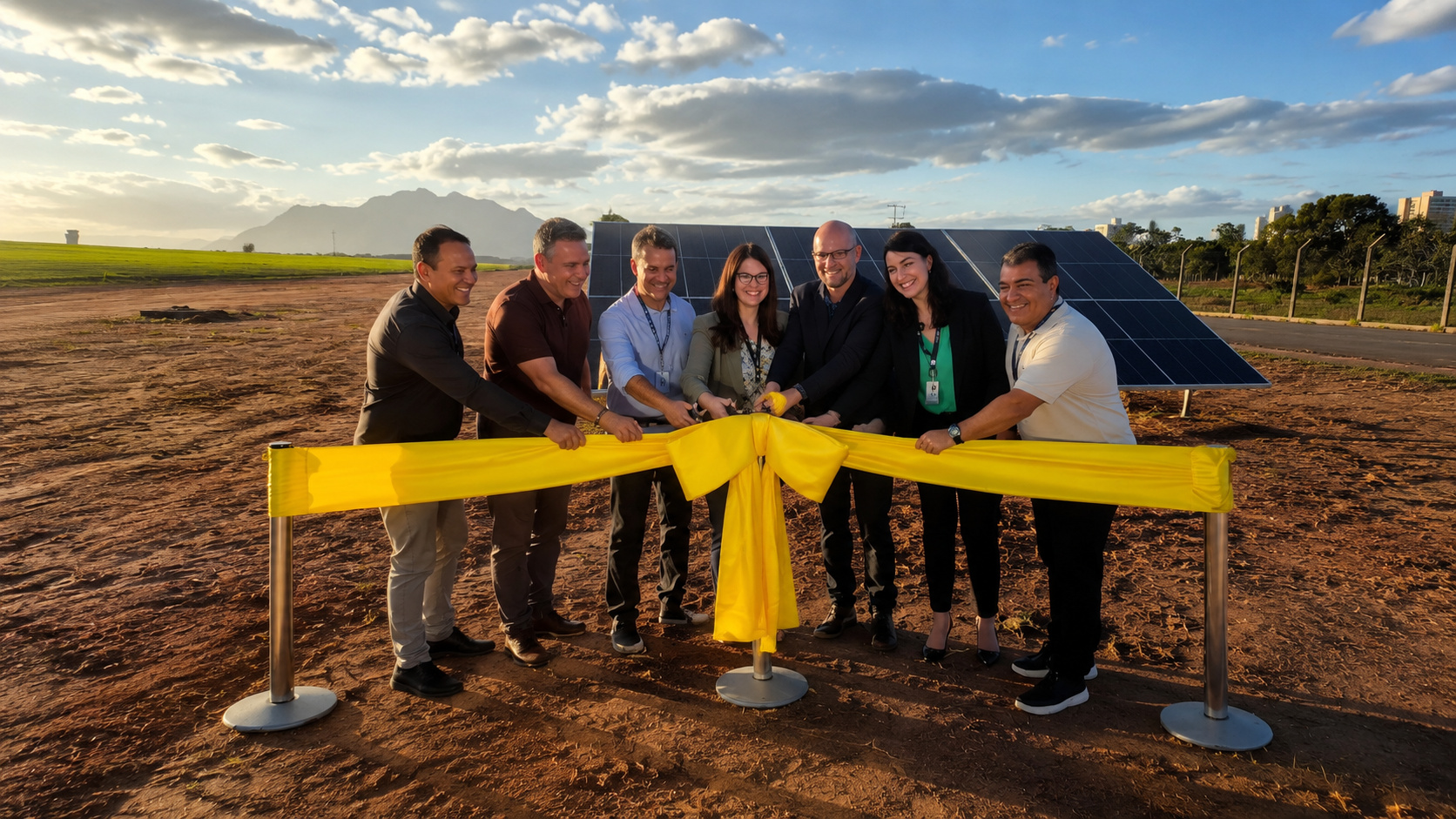
The Norwegian company inaugurated a solar-wind complex in Bahia, raising the generation capacity to 1,229 MW, resulting in a total investment of R$ 2.8 billion. The operation of the complex, which won an Aneel auction, is generating a significant positive impact on potential investments in renewable energy in the country.
Growth Through Mergers and Acquisitions in the Energy Sector in Brazil
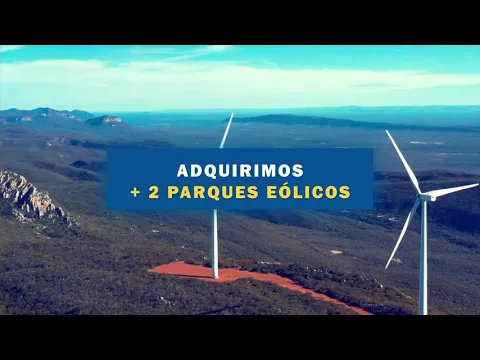
In recent years, Statkraft has made a series of acquisitions as part of its growth strategy in Brazil, establishing itself as one of the largest wind generators in the country, with an installed capacity of 2.23 GW. The expectation is that the company will continue to expand through acquisitions and new constructions of hybrid and renewable projects.
The company is focusing on the Brazilian renewable energy market, particularly on land-based wind energy, due to the country’s significant potential in this sector. Financial capacity is being directed towards new constructions and smaller acquisitions to ensure sustainable growth in the Brazilian renewable energy market.
Importance of Brazil as a Priority Partner in the Transition to Renewable Energies
Brazil is already seen as a priority partner for decarbonization actions and expansion of the renewable energy portfolio, according to the Norwegian Consul General. The country continues to attract potential investments due to its wind and solar resources, as well as a favorable business environment.
Despite the opportunities, there are challenges in the Brazilian market, such as the need to simplify the tax regime. However, the company believes in the country’s growth potential and the possibility of establishing profitable renewable and hybrid energy plants as an essential strategy for the Brazilian market.
Source: EPBR