






 Portuguese
  Spanish


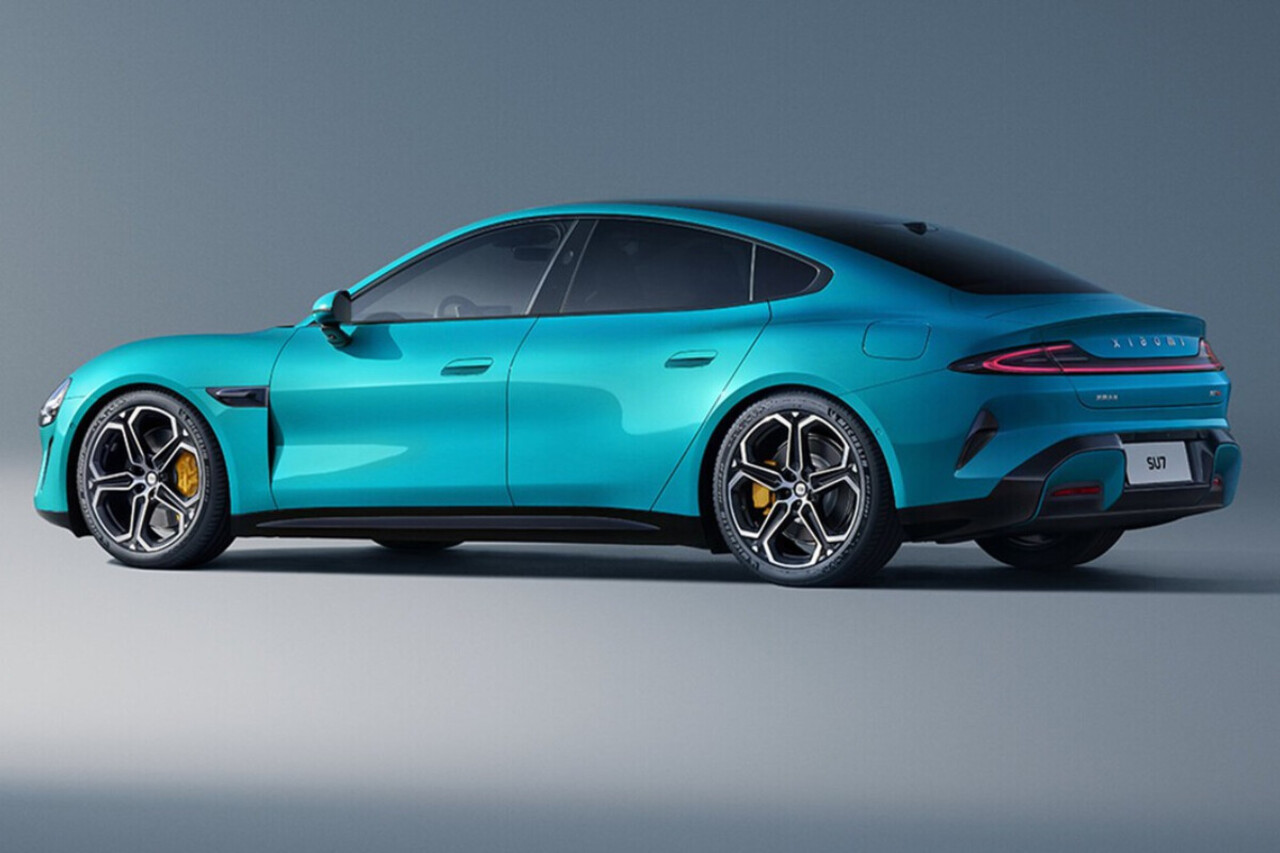


Hyundai Imports Units Of The SU7 From Xiaomi For Detailed Technical Analysis And Intensifies Investments In R&D In Light Of Chinese Advancement In The Electric Sector
An electric sedan SU7 Max from Xiaomi was spotted in Seoul with a temporary research plate. The car was being transported to the Hyundai offices, drawing attention. According to the South Korean site Bloter, Hyundai imported several units of the Chinese model for a detailed analysis at its research centers.
This action occurs at a time when Xiaomi is rapidly growing in the electric vehicle market.
The company surprised the sector with the SU7, a car that combines high performance with a competitive price.
-
British Factory Transitions from Mechanical Parts to Producing 420,000 Electric Power Units Annually, Supplying 70% of Ford’s Electric Cars Sold in Europe

-
Toyota Shifts from Hybrid Cars to Electric Air Taxis with Joby’s 6-Rotor Aircraft, Capable of 322 km/h, Aiming for Mass Production to Electrify Urban Skies

-
Ferrari Unveils Limited Edition 12Cilindri Manuale: 6.5-Liter V12, 830 HP, 0-100 km/h in 2.9 Seconds, Top Speed Over 340 km/h, Only 1,499 Units Available

-
Discover the 2021 Fiat Cronos 1.3: Affordable Maintenance, Reliable Mechanics, and Fuel Efficiency of Up to 15.6 km/l


In just 15 months, the model sold more than 300,000 units and set the Nürburgring record for a mass-produced electric vehicle.
Reverse Engineering
Hyundai sent the vehicles to its research center in Namyang and also to its headquarters in Seoul.
The goal is to study every technical detail of the SU7. This process is known as reverse engineering. Engineers seek to understand everything from the electrical architecture to the car’s infotainment system.
This system, called HyperOS, is based on Xiaomi’s experience with smartphones. It is one of the main highlights of the Chinese model.
Users and experts praised the fluidity and integration of the interface, which was compared to Hyundai’s own BlueLink Connect.
Heightened Attention
For Hyundai, understanding this technology is crucial. The company is particularly interested in the user experience offered by the SU7.
This includes everything from the graphics on the screen to the response to commands. The focus is on discovering how Xiaomi managed to deliver so much in a car that is cheaper than premium competitors.
The executive chairman of the Hyundai Group, Euisun Chung, has already acknowledged internally the challenge posed by brands such as Xiaomi and BYD.
The company increased its investments in the sector by 15% in 2024, reaching US$ 32.4 billion.
The Race For The Future
In 2025, Hyundai plans to invest an additional US$ 17.6 billion, nearly half of which will be allocated to research and development.
Even though the SU7 is not expected to arrive in Europe until 2027, it is already forcing competitors to rush to keep up with Chinese innovation.
Information from Xataka.
Read More About Cars: BYD Promises Electric Car Charging In Just 5 Minutes In Brazil With New Ultra-Fast Charging Technology
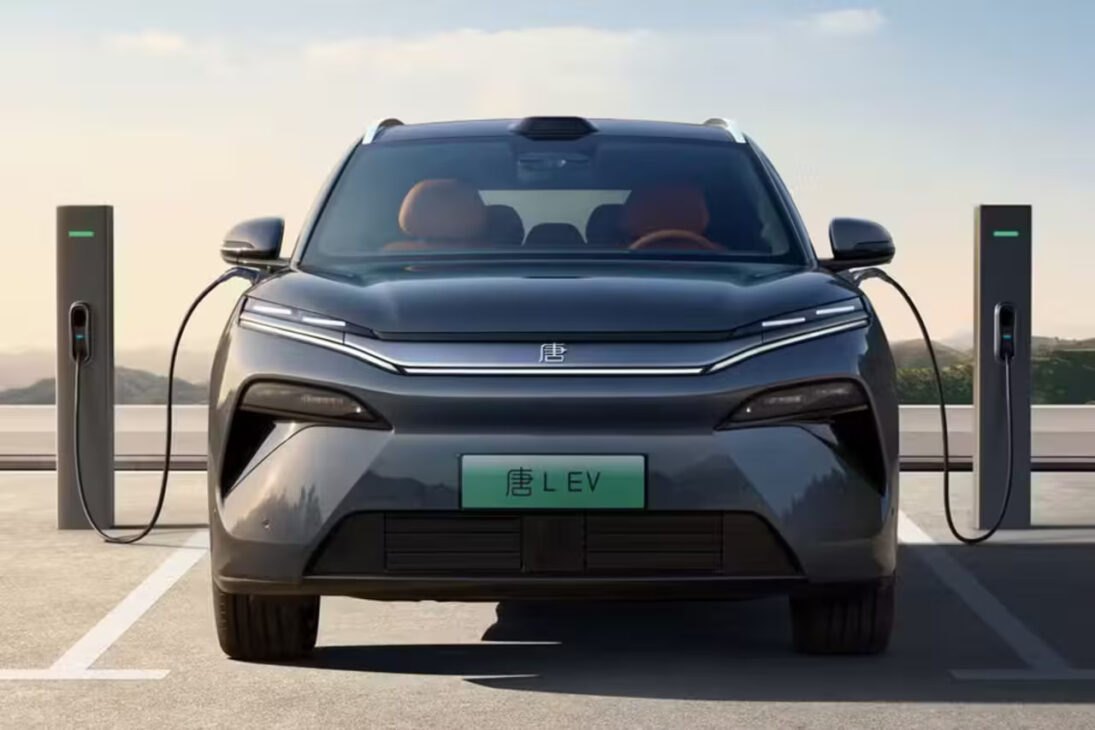
The Chinese manufacturer BYD confirmed that Brazil will be the first country in the Americas to receive its new ultra-fast charging technology for electric vehicles. Unveiled internationally in March, the system is part of the Super e-Platform and promises to deliver 400 km of range in just 5 minutes of charging.
According to the automaker, the idea is for recharging an electric car to be as fast as refueling a gasoline vehicle.
To achieve this, the system offers power of 1 megawatt (or 1,000 kW) and a maximum speed of 2 km per second, making the process, according to the company, at least three times faster than Tesla’s Supercharger.
While there is no exact date for it to begin operations in the country, the novelty will be installed at the brand’s factory in Camaçari, Bahia.
BYD highlighted that the charger in Brazil will be used as a demonstration of the technology. In other words, it will not be available to the public.
The high-voltage architecture of the Super e-Platform is the core of the advancement. It is the world’s first to operate at 1,000 volts in mass-produced passenger cars.
It debuted in the new Han and Tan models, which feature 580 kW motors, a top speed of 305 km/h, and acceleration from 0 to 100 km/h in just 2.7 seconds.
To support the new power level, the vehicles received reinforcements in various systems. This includes battery, motor, power supply, air conditioning, and other essential components.
Additionally, the company began using silicon carbide (SiC) power chips. These are the first of their kind in mass-produced models.
Another important element of the project is the Megawatt Flash Charger, developed by BYD itself. The charger is compatible with 1,000 V electric vehicles and also operates at 1,000 kW of power.
It features a liquid cooling system, the first of its kind in the world, which allows it to achieve the 400 km mark in just 5 minutes.
In China, the brand plans to install more than four thousand chargers like this in various regions of the country. In Brazil, at least for now, the structure will be limited to the company’s unit in Bahia.
Information from Auto Esporte.


Até a Ferrari comprou um SU7 Ultra para desmontar e estudar a engenharia aplicada.
Ainda tem gente que diz que os carros alemães são os melhores fo mercado. Fale aqui uma marca alemã que tem esse nível de tecnologia em veículos elétricos. Não há. Todas elas estão para trás e pelo menos 2 patamares abaixo dos chineses na tecnologia elétrica.
Não tem mais volta, a partir de 2030 os veículos elétricos vão dominar a paisagem. Os gargalos da bateria, do rendimento, da rapidez de recarga e do preço terão sido eliminados e a humanidade voltará a respirar ar limpo. Os próximos gargalos serão a oferta de energia e estações de recarga espalhadas pelo país… As novas baterias são muito econômicas, duram mais e recarregam mais rápido. Os novos motores tem mais potência, mais torque e gastam menos carga das baterias… Os carros elétricos tem muito menor custo de manutenção e são mais silenciosos e podem ter garantia extendida…
É a indústria se movimentando para vender um produto que não tem futuro, descartável. O custo de um pack de baterias pode custar até 40.000!!! O hidrogênio é a melhor opção. Lembrando que ainda temos petróleo para os próximos 50 anos!
Cara vai se informar melhor, as novas baterias duram 1 milhão de KM, e a mesma duração de um motor a combustão e o preço pra vc colocar um novo motor a combustão depois de 1 milhão de km e superior do que trocar o pack de bateria. Outro detalhe a bateria não é descartável se reutiliza a mesma como se faz nas baterias 12v dos carros convencionais.
Se tá achando que tá no ano dr 2008, quando foi lançado os primeiros modelos elétricos? Acorda pra realidade a tecnologia já evoluiu muito e ainda está em constante evolução e as mesmas vão se tornar mais baratas e eficientes.
O pior, Enax, é ver gente que insiste em desqualificar o carro elétrico, um movimento ideológico.
Como tem gente que diz até hoje que o bolsonaro foi o melhor presidente do Brasil existente que acha que carros elétricos não funciona kkkkkkk ….