






 Portuguese
  Spanish
  4 min of reading
  0 comments



Consumers Demand Sustainable Practices; MRV Implements Actions Such as Ethanol, Clean Energy, and Technologies to Reduce Environmental Impacts.
The search for sustainability is intensifying among consumers, who now require greater ecological responsibility from corporations. As a result, companies from various sectors are adapting to meet this new demand by implementing measures aimed at minimizing their environmental impact. Measures such as the use of renewable energy sources, optimization of production processes, and adoption of advanced technologies are among the strategies to promote a sustainable future.
MRV, as part of the MRV&CO group and recognized as the largest construction company in Latin America, has implemented a series of actions to reduce environmental impacts and reaffirm its commitment to sustainability. The company is investing in responsible practices that include the use of eco-efficient materials and the development of techniques to reduce pollution and waste. By adopting these sustainable habits, MRV seeks not only to meet consumer demands but also to act as a leader in the movement for a greener planet. They thus become examples of how to effectively and inspiringly integrate the concept of sustainability into corporate daily life.
Sustainability in Consumption
In 2023, a significant majority of 81% of people reported adopting sustainable habits regularly. These numbers clearly illustrate that the commitment to sustainability has crossed the line from optional for companies to an urgent necessity imposed by consumers demanding responsible practices. Today, many choose whom to buy from based not only on quality or price but also on the level of sustainability of business practices and the products offered.
-
Brazilian promises his children to save a river, creates an eco-barrier in his backyard, has already removed more than 40 tons of trash from the water, and even inspires the idea in other states of the country.

-
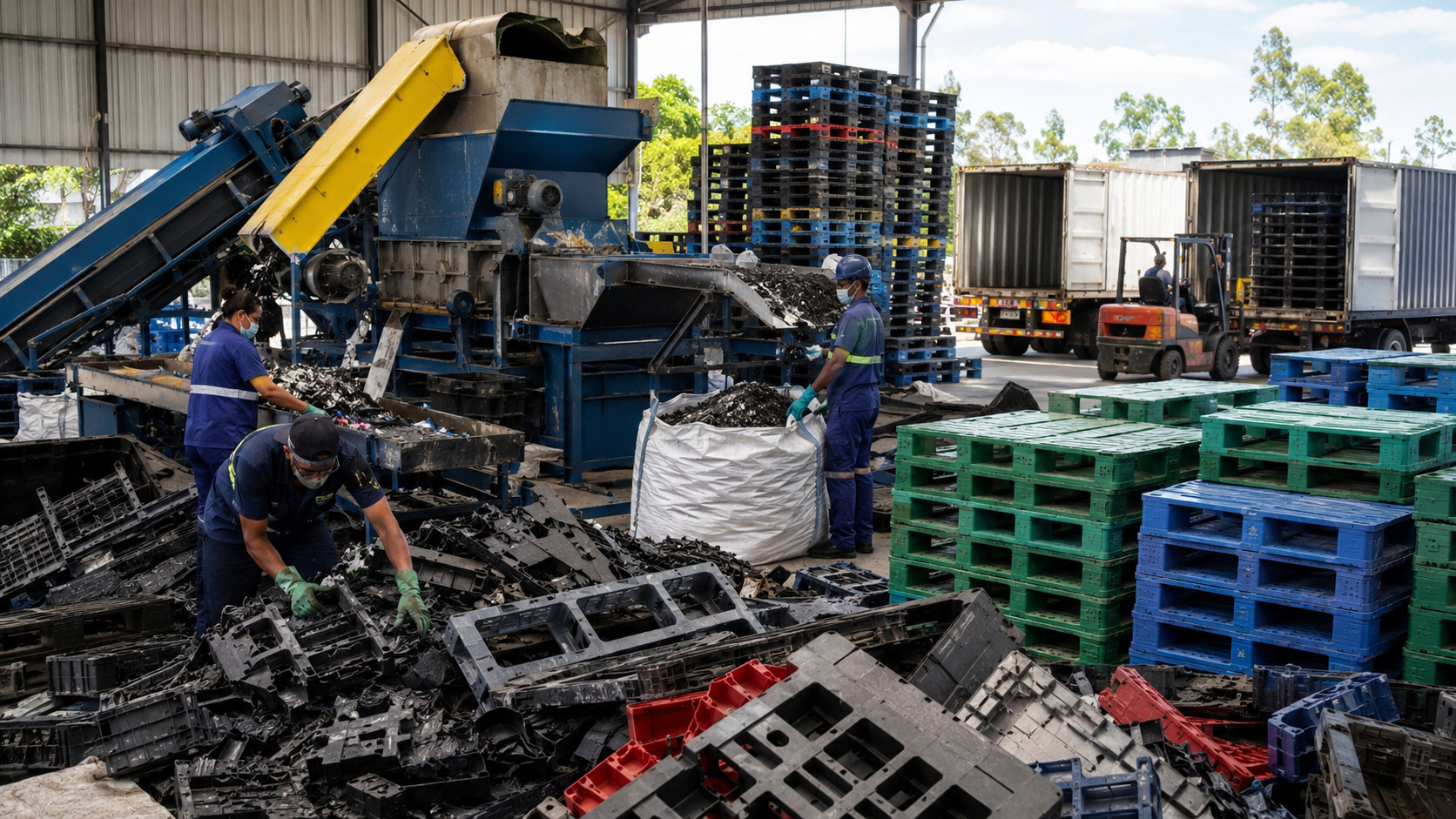
How a Brazilian company created a system that transforms broken pallets of any brand into new assets, recycles 80 tons of plastic per month, and found a profitable solution to a problem that challenges industries across the country.

-
Invasive bullfrog capable of devouring other amphibians and laying up to 20,000 eggs is found in Florianópolis, raising an alert about the threat to native fauna.
-
It looks like a baby, but it’s an adult: meet the Bornean pygmy elephant, the smallest elephant in the world threatened by habitat loss.



Climate Crisis and Business Practices
This global scenario, exacerbated by the climate crisis affecting all regions of the world, demands swift and effective measures from companies. Emerging in this context, Raphael Lafetá, director of institutional relations and sustainability at MRV&CO, highlighted five sustainable actions that companies in different sectors can adopt to promote a future more committed to sustainability and sustainable practices.
Sustainable Construction Materials
One of the first suggested actions is the use of construction materials with a lower carbon footprint. The conscious choice of less polluting materials is crucial for companies aiming to reduce their carbon footprint and decrease environmental impacts. MRV, attentive to this, has identified the high carbon footprint of conventional cement in the construction industry. To mitigate this impact, it has begun prioritizing alternatives with lower carbon emissions, managing to reduce its emissions by 35% between 2022 and 2023, achieving reduction targets for 2024.
Renewable Fuels and Environmental Commitment
Another important initiative is the replacement of fossil fuels with ethanol, a practice that MRV has adopted to minimize scope 1 emissions from its corporate vehicles. This transition reflects the company’s commitment to seeking cleaner transportation, promoting sustainable consumption and encouraging other organizations to follow suit, aiming for reduction of environmental impact.
Transition to Renewable Energy
The transition to renewable energy is essential for companies aligned with global sustainability goals. MRV has embraced this guideline by implementing photovoltaic solar energy solutions in more than 250 projects, contributing to resource savings in the common areas of its condominiums. Additionally, with two photovoltaic plants in Minas Gerais and Bahia, the company supplies clean energy for its operations. Since 2021, partnerships with distributed generators offer clients in 13 states discounts of 25% on energy bills, promoting the use of renewable sources.
Innovation for Waste Reduction
Innovation in construction processes aimed at waste reduction is also a practice that MRV has been investing in. By adopting technologies such as off-site construction and 3D printing, it facilitates production away from the site, optimizing materials and minimizing waste, a factor that significantly contributes to reducing environmental impacts. This construction model, increasingly widespread in Brazil, enhances the economic and environmental efficiency of the construction sector.
Sustainable Use of Wood
MRV has also explored new applications for recycled and reforested wood in its projects, aiming to reduce environmental impact. Sustainable wood is used not only in constructions but also in innovations such as landscaping fertilizers and reusable components in various phases of projects. Effective waste management is presented as a vital component in reducing environmental impact within the company.
Mission and Impact of MRV
With 45 years in the market, MRV’s mission is to build dreams that transform the world, being one of the five companies part of the MRV&CO group. Recognized as the largest construction and incorporation company in Latin America, it focuses on accessible ventures, making the dream of home ownership possible for many. With over 500,000 keys delivered, around 1.6 million people currently reside in properties built by MRV. To learn more about the initiatives and sustainable practices of this company, visit: [MRV](http://www.mrv.com.br).
Source: RMV Press






Be the first to react!