






 Portuguese
  Spanish


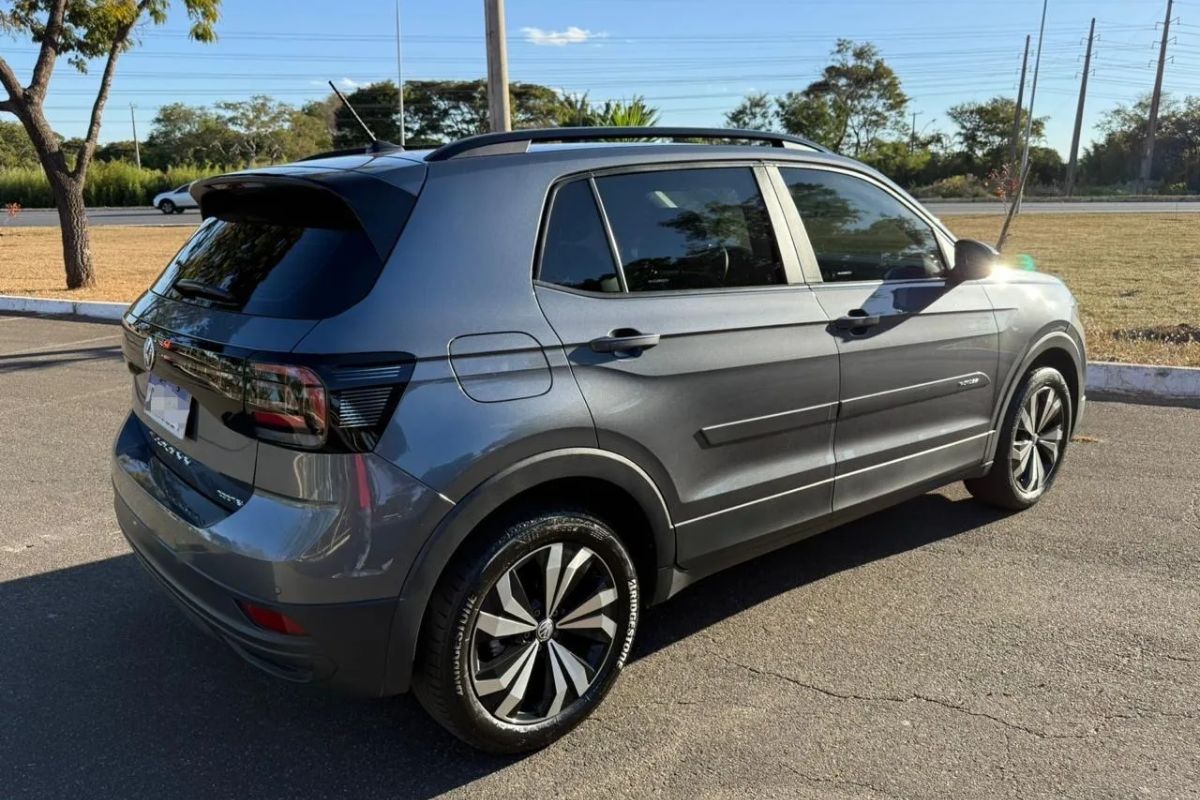

With Balanced Consumption, Simple Maintenance and Good Interior Space, These SUVs Are Ideal for Those Who Drive a Lot in the City
If you are looking for Daily SUVs, the ideal is to find models that combine comfort, fuel economy, and mechanical robustness. After all, those who rely on their car frequently need a reliable vehicle that can handle daily routines without breaking the bank.
In this article, we gathered five Daily SUVs focused on cost-effectiveness, ease of resale, and low maintenance complexity. The selected models have efficient engines, good ground clearance, and competitive fuel consumption for urban use — all based on data from Tabela Fipe, Inmetro, and manufacturers.
1. Nissan Kicks 1.6 CVT (2017 to 2019)
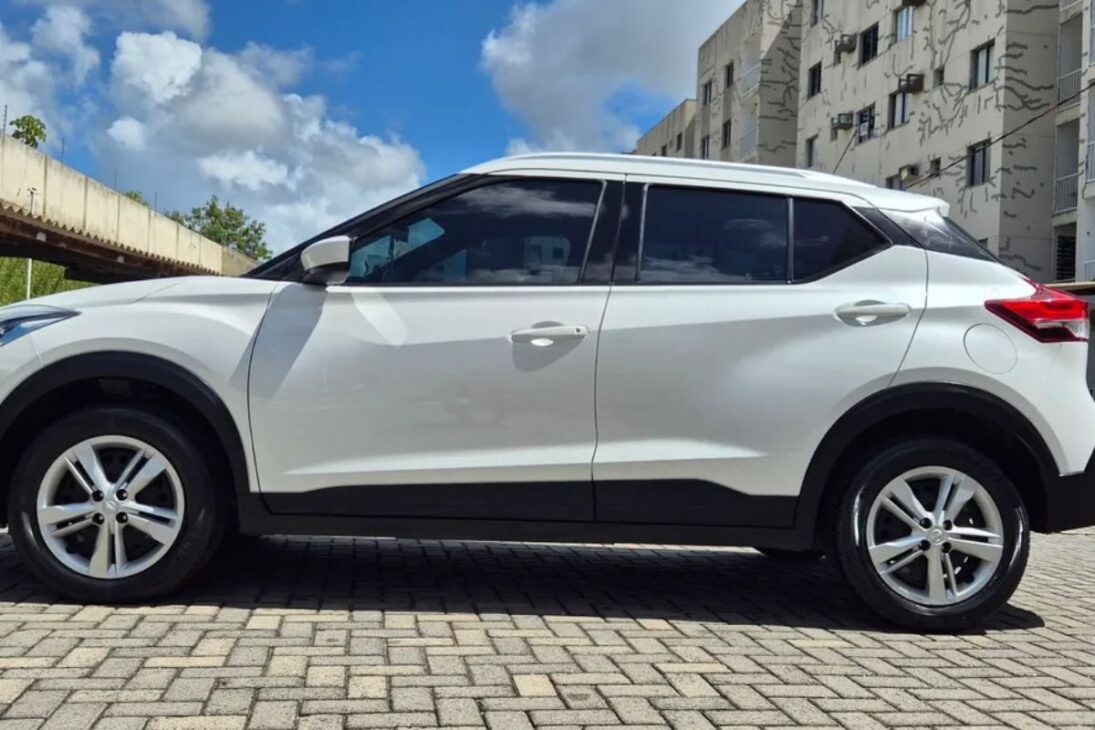
Efficient Consumption and Comfort with Modern Design
-
Sales of Brazil’s Cheapest Electric Car Halted Before First Deliveries: E-Motors Suspends Emova Easy Due to Import Tax Increase and Rising Freight Costs

-
Nissan Discontinues Qashqai SUV Amid Cost-Cutting, Chinese Competition, and Product Line Review

-
BYD Patents Revolutionary System Using Computer Vision to Detect Animals Under Cars Before Starting, Preventing Tragedies

-
Study Reveals Why Cars Are More Expensive to Produce and Buy in Brazil Compared to Mexico, Highlighting Taxes, Logistics, and Industrial Costs as Key Factors.


The Nissan Kicks is one of the Daily SUVs most sought after by app drivers and those who drive a lot in the city. The 1.6 engine with CVT transmission ensures good performance with consumption of up to 13.7 km/l on the highway with gasoline.
With a contemporary design, affordable maintenance, and a good reputation for resale, the Kicks positions itself as a functional and economical utility vehicle. Even with a somewhat limited interior space in the back seat, the model delivers the essentials for everyday use with ease.
2. Honda HR-V 1.8 (2016 to 2018)
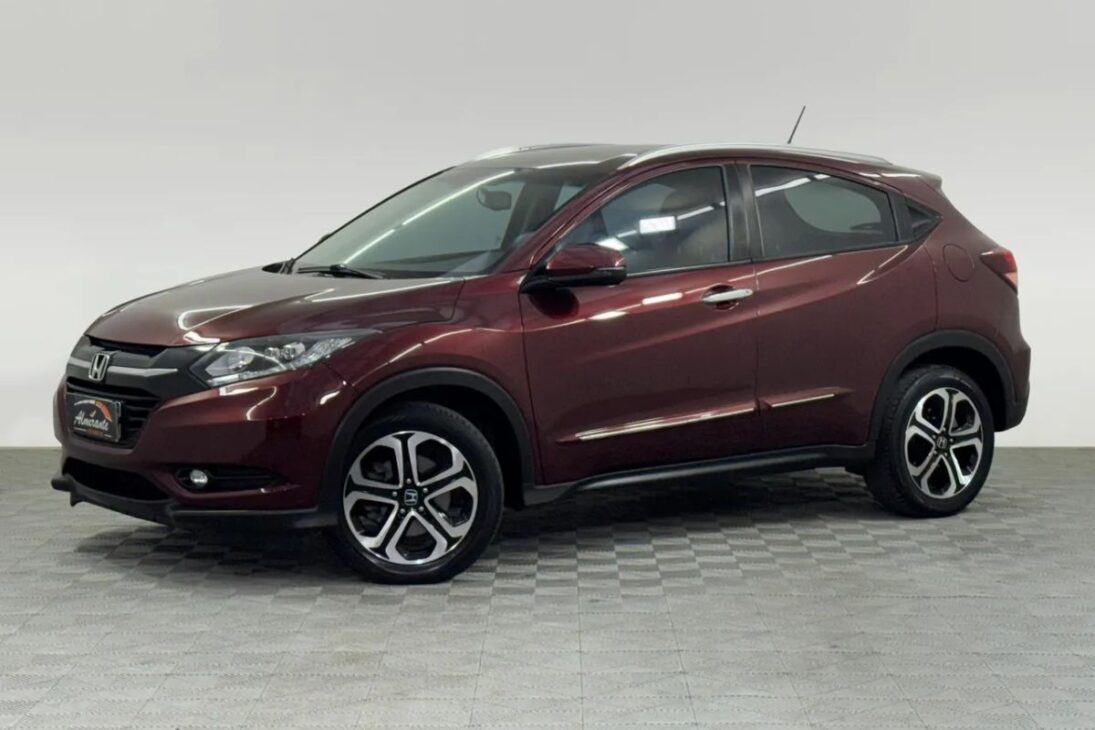
Reliable, Robust SUV with Versatile Interior
The Honda HR-V is one of the most balanced SUVs in the market. With a 1.8 engine and CVT transmission, it offers smooth handling and durable mechanics. Its consumption is around 10.5 km/l in the city with gasoline, according to Inmetro data.
The cabin is spacious and well-utilized, with a generous trunk for the category. Even with a simple finish in some versions, it is one of the most recommended Daily SUVs for those who value mechanical reliability and resale value.
3. Hyundai Creta 1.6 or 2.0 (2017 to 2019)
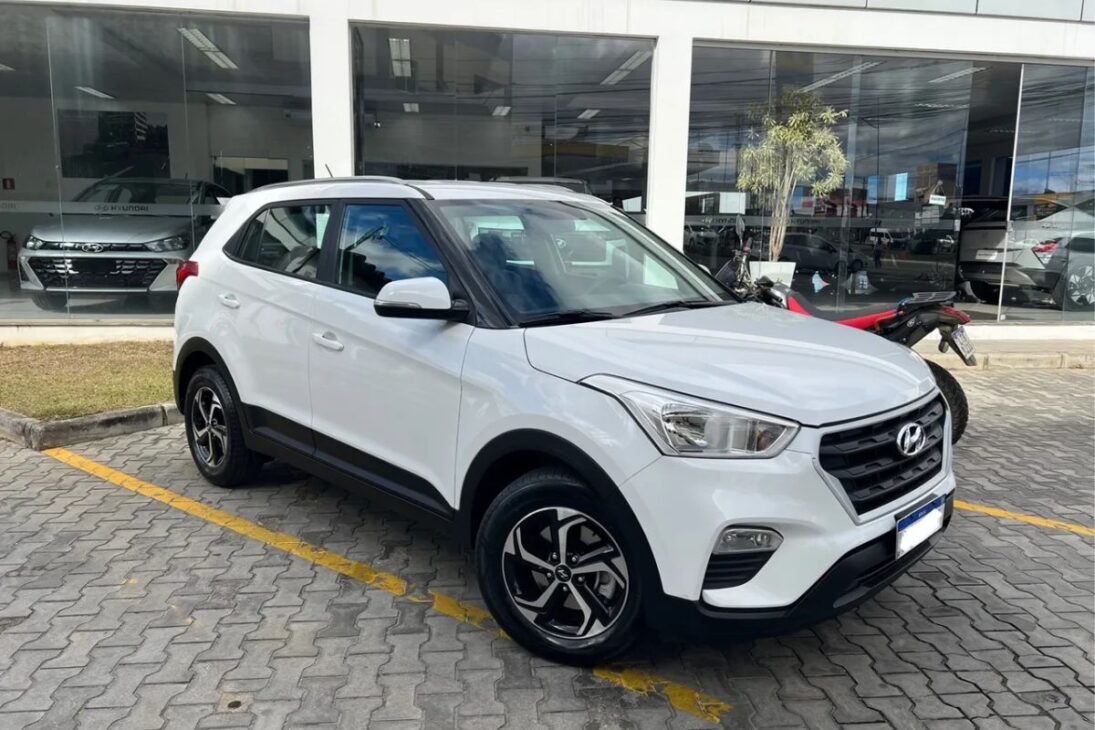
Good Maneuverability, Solid Construction, and Stable Market Value
The Hyundai Creta stands out for its balance between performance and urban comfort. The 1.6 version delivers an average fuel consumption of up to 10 km/l in the city with gasoline, while the 2.0 is more powerful but consumes more.
With a robust design, elevated driving position, and abundant replacement parts, the Creta appeals to both daily drivers and those focused on resale value. It is one of the Daily SUVs with the best reputation among drivers and mechanics.
4. Volkswagen T-Cross 1.0 TSI (2019 to 2021)
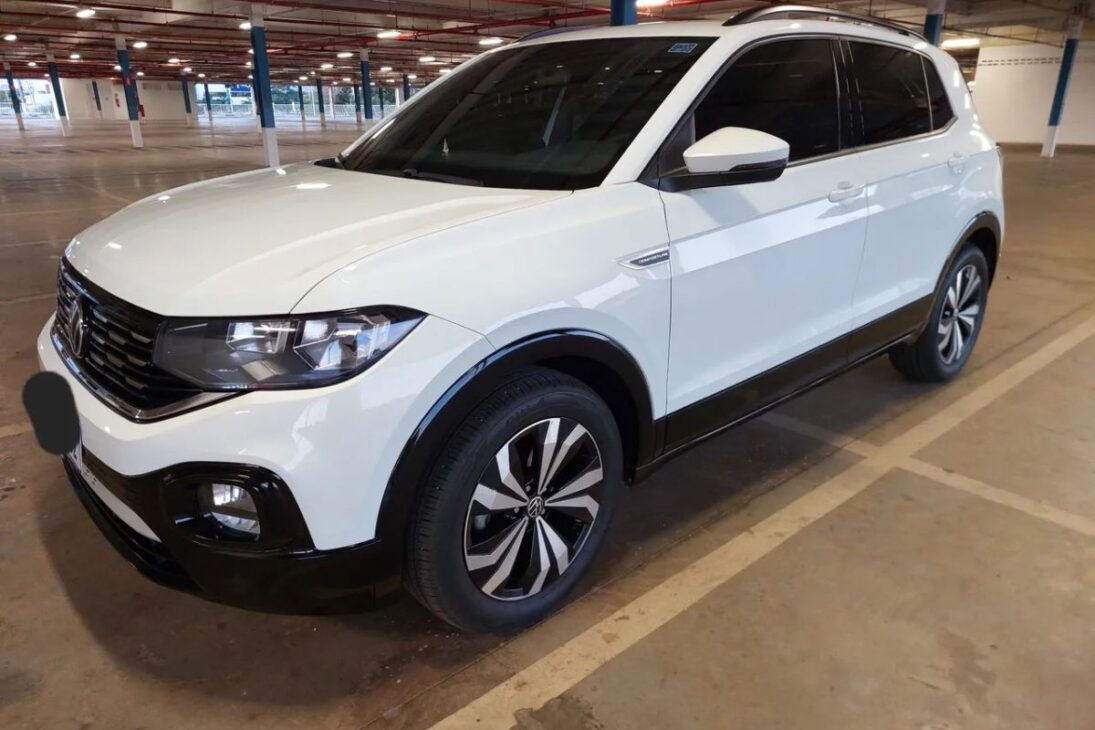
Small Car Performance with SUV Height
The Volkswagen T-Cross surprises with its efficiency. Even with a 1.0 TSI engine, the SUV delivers up to 128 hp and achieves up to 11.8 km/l with gasoline in the city, with performance comparable to higher categories.
Despite the plastic interior finish, the modern mechanics, safety features, and good market acceptance make it one of the most practical and technological Daily SUVs. Ideal for those seeking something compact on the outside and spacious on the inside.
5. Renault Duster 1.6 (2018 to 2020)
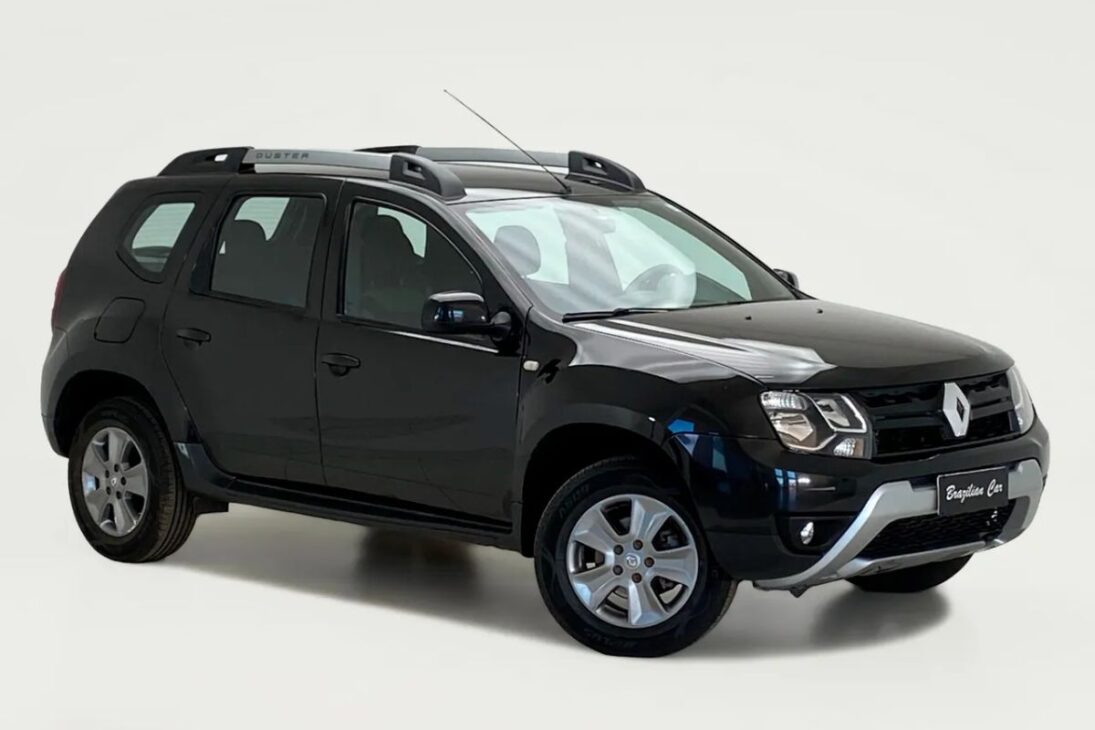
Simple, Durable SUV with Low Maintenance
The Renault Duster is the most “basic” on the list. Its finish is simple, but the interior space and the trunk of 475 liters place it among the most practical in the category. The 1.6 engine ensures autonomy of up to 11.7 km/l with gasoline in the city, according to Inmetro.
With a design that has hardly changed in recent years, the Duster is focused on functionality: it withstands intensive use and accepts low-cost maintenance. Therefore, it is widely used in public fleets and operations with high daily usage.
Choosing Daily SUVs requires rational analysis: more than style, consumption, reliability, and ease of resale matter. All the models listed here deliver good urban performance, accessible maintenance, and value compatible with the reality of Brazilians who live on the road with their cars.
Which of these SUVs would you choose for your routine? Is there any other reliable model you would recommend? Comment below and share your experience!


Com certeza o T.cross, e o novo vem com motor melhorado onde andar na cidade fica ainda melhor o custo benefício…