Portuguese
  Spanish


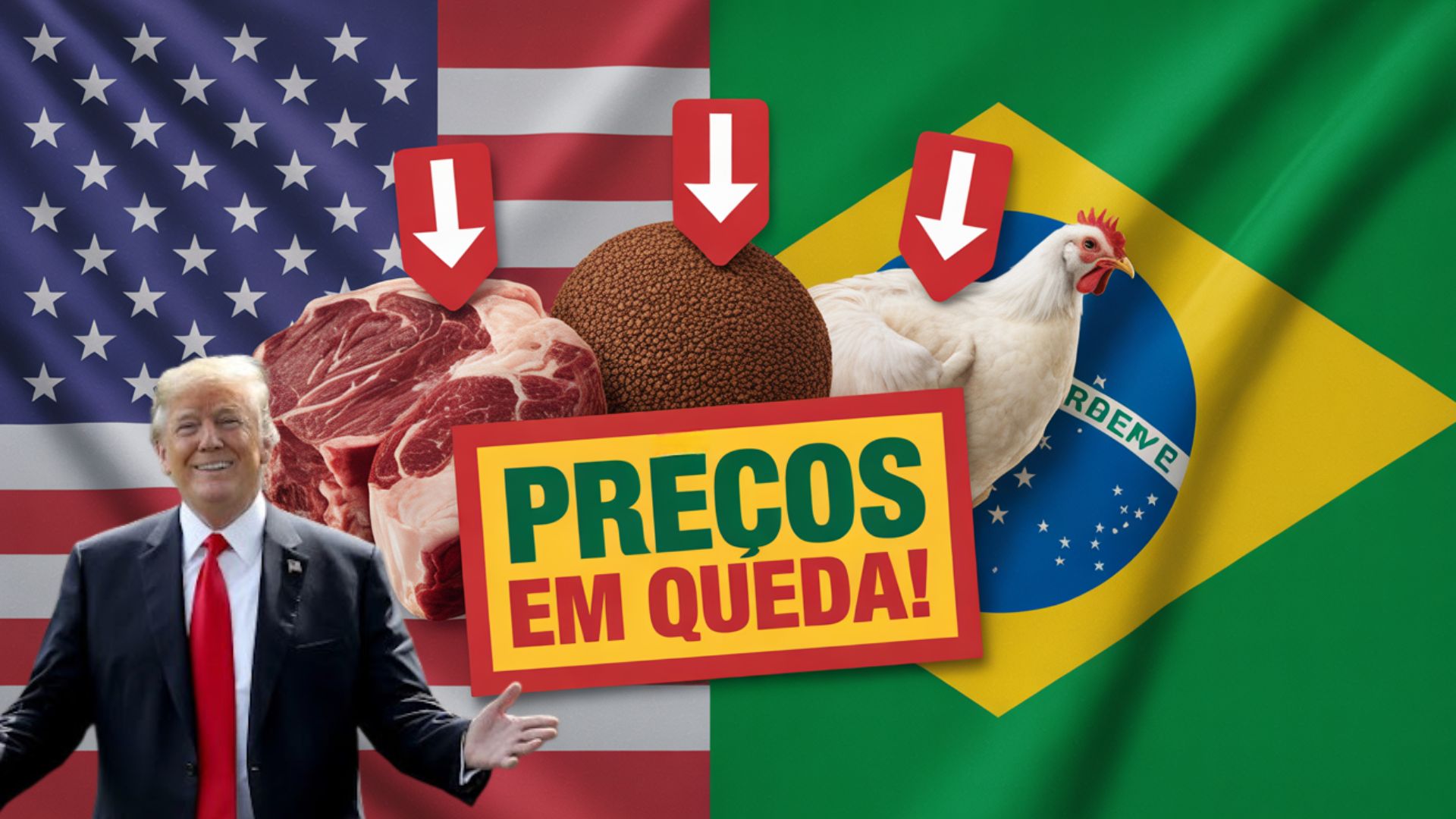


50% Tariff Imposed By The United States Reduced Chicken, Coffee And Meat Prices In Brazil In Less Than A Month, According To A Survey Released By CNN Brazil On Monday (1st). Seafood Differed And Registered An Increase In The Period.
Less Than A Month After The 50% Tariff On Brazilian Exports Took Effect On August 6, Prices Of Sensitive Items Fell On The Country’s Shelves.
A Survey By Scanntech, Released By CNN Brazil On Monday (1st), Indicates A Decline At Retail Between July And August In Four Categories: Chicken (-5.7%), Coffee (-4.6%), Pork (-1.3%), And Beef (-0.8%).
Seafood Was The Only Exception, With A 2% Increase In The Period. The Variation Was Measured Based On 13.5 Billion Purchase Tickets Analyzed At Over 60,000 Points Of Sale.
-
Brazilian Steel Giant Partners with USP to Develop 40% Stronger Rebar for World’s Tallest Residential Building in Brazil’s Senna Tower

-
Oil Prices Drop to $72 as 20 Million Barrels Pass Through Strait of Hormuz in 24 Hours, Easing Supply Fears but Regional Tensions Keep Market on Edge

-
Brazil’s Ministry of Justice Investigates CazéTV for Betting Ads During World Cup Broadcasts

-
Brazilian Retail Giant Americanas Faces $10 Billion Asset Freeze Amid Investigation into Hidden Debts


The Average Prices Practiced In The Interval Were R$ 17.33/kg For Chicken, R$ 76.40/kg For Coffee, R$ 23.05/kg For Pork, And R$ 34.58/kg For Beef. In The Case Of Seafood, The Average Value Observed Was R$ 34.43/kg.

Price Decline Is Already Visible On The Shelves
The Data Indicates That Price Correction Reached Retail Quickly. Although The Magnitude Varies Between Categories, The Direction Is The Same For Chicken, Pork, And Beef Proteins, As Well As Coffee.
In Practice, Consumers Find More Visible Reductions In Chicken And Coffee, While The Decline Is More Moderate In Pork And Beef. In The Same Period, Seafood Differed.
The Positive Variation Of 2% Suggests A Specific Dynamics In The Segment, Which Did Not Follow The Relief Observed In Other Proteins.
The Survey, Detailed By CNN Brazil, Does Not Provide Additional Information On The Factors Behind This Movement.


How The Tariff Redesigned Supply And Prices
With The Measure Adopted By The United States Starting August 6, Sectors Not Covered By Exemptions Paused Shipments To The North American Market.
When Exports Abruptly Shrink, Two Paths Open Up: Seeking New Destinations — The Meat Industry, For Example, Has Directed Volumes To Mexico — Or Maintaining Production In The Country, Competing For Shelf Space With Brands Focused On The Domestic Market.
This Redirection Increases Domestic Supply.
Without An Equivalent Change In Demand, The Price Decline Tends To Occur, In Line With Basic Market Logic.
According To Scanntech, The Price Compression Has Already Been Captured In Millions Of Purchases Registered Between July And August, The Period Immediately Before And After The Tariff Took Effect.
Market Perspective
For Thomaz Machado, CEO Of Scanntech, The Connection Between The New Trade Scenario And Consumer Prices Is Direct.
“The Increase In Domestic Supply Begins To Pressure Prices In Brazilian Retail. The Consumer Feels Relief In The Short Term, But This Creates A Chain Concern For Producers And Industries,” He Said To CNN Brazil.
The Assessment Reinforces That The Current Stage Is One Of Supply Transfer, With Positive Effects For Consumers’ Wallets And Pressure On Margins Throughout The Chain.
What Weighs In Each Basket
In Chicken, The Decline Of 5.7% Was The Most Pronounced Among The Items Evaluated.
The Product Is One Of The Most Sensitive To Supply Variations And Usually Responds Quickly To Changes In External Disposition.
In Coffee, The Drop Of 4.6% Aligns With The Reduction In Shipments To The North American Market And The Need To Readjust Grains In The Domestic Market.
Pork Registered A Decline Of 1.3%, A Moderate Movement. Beef Fell 0.8%.
In Both Cases, The Adjustment Tends To Be Slower Due To Production Calendars, Contracts, And Cost Composition. On The Other Hand, Seafood Became 2% More Expensive, Differing From The Overall Trend.
Impacts On The Productive Chain
Although The Price Decrease Eases Family Budgets, The Industry And Agriculture Face A More Challenging Scenario.
With Larger Stocks And Reduced Space To Export, Slaughterhouses, Cooperatives, And Roasters Need To Recalibrate Production, Renegotiate Contracts, And Seek New Markets.
The Process May Involve Additional Logistics Costs, Certifications, And Adaptation To Sanitary And Tariff Requirements Of Each Destination.
This Redistribution Of Flows, While Necessary, Does Not Happen Immediately.
Meanwhile, Lower Domestic Prices Squeeze Margins And May Delay Investments, Especially In Segments With Longer Production Cycles, Such As Cattle Raising.
The Result Is A Delicate Balance Between Consumer Gains And The Sustainability Of The Chain.
Reversal Strategy: Negotiation In Washington
Sectors Directly Affected, Such As Coffee And Meat, Maintain Negotiation With The United States As A Central Strategy To Mitigate The Tariff.
The Cecafé, Which Represents Coffee Exporters, Has Worked With The North American Coffee Industry And The State Department To Seek Exemption For The Brazilian Product.
The Goal Is To Reduce The Entry Cost And Preserve Brazil’s Share In A Relevant Market. The Assessment For Beef Is Similar.
In An Interview With CNN Money, The Economic Arm Of CNN Brazil, Roberto Perosa, President Of Abiec, Stated That The Sector Advocates For The Continuation Of Negotiations By The Brazilian Government With The Administration Of Donald Trump To Normalize Trade Flow.
The Objective Is To Reopen Space For Exports, Avoiding Prolonged Distortions In The Domestic Market.

Redirecting And Priorities
As The Talks Advance, Companies Are Reorganizing Destinations And Prioritizing Markets With Lower Barriers Or Existing Agreements.
Mexico Emerges As An Alternative For Some Meat Shipments, Reducing The Impact Of The North American Tariff.
Other Sources May Also Absorb Volumes, But The Accommodation Depends On Competitive Prices, Exchange Rates, And Logistics.
In Coffee, Exporters Adjust Contracts And Evaluate Destination Mix To Compensate For The Margin Loss In Accessing The U.S.
Maintaining Quality And The Reputation Of Brazilian Beans Remain As Assets, But Viability Depends On The Total Cost To The Final Buyer.
What To Watch In The Coming Weeks
The Next Indicators Should Show Whether The Price Decline Observed Between July And August Will Persist.
Factors Such As Stocks, Exchange Rates, Domestic Demand, And Progress In Negotiations Are Likely To Determine The Momentum Of The Movement.
In Parallel, Changes In The List Of Tariff Exceptions Or New Flow Channels May Accelerate The Rebalancing Between Supply And Consumption In The Country.
Have You Noticed A Difference In The Price Of Chicken, Coffee, Or Meat At Your Supermarket Since The Start Of The U.S. Tariff?