






 Portuguese
  Spanish


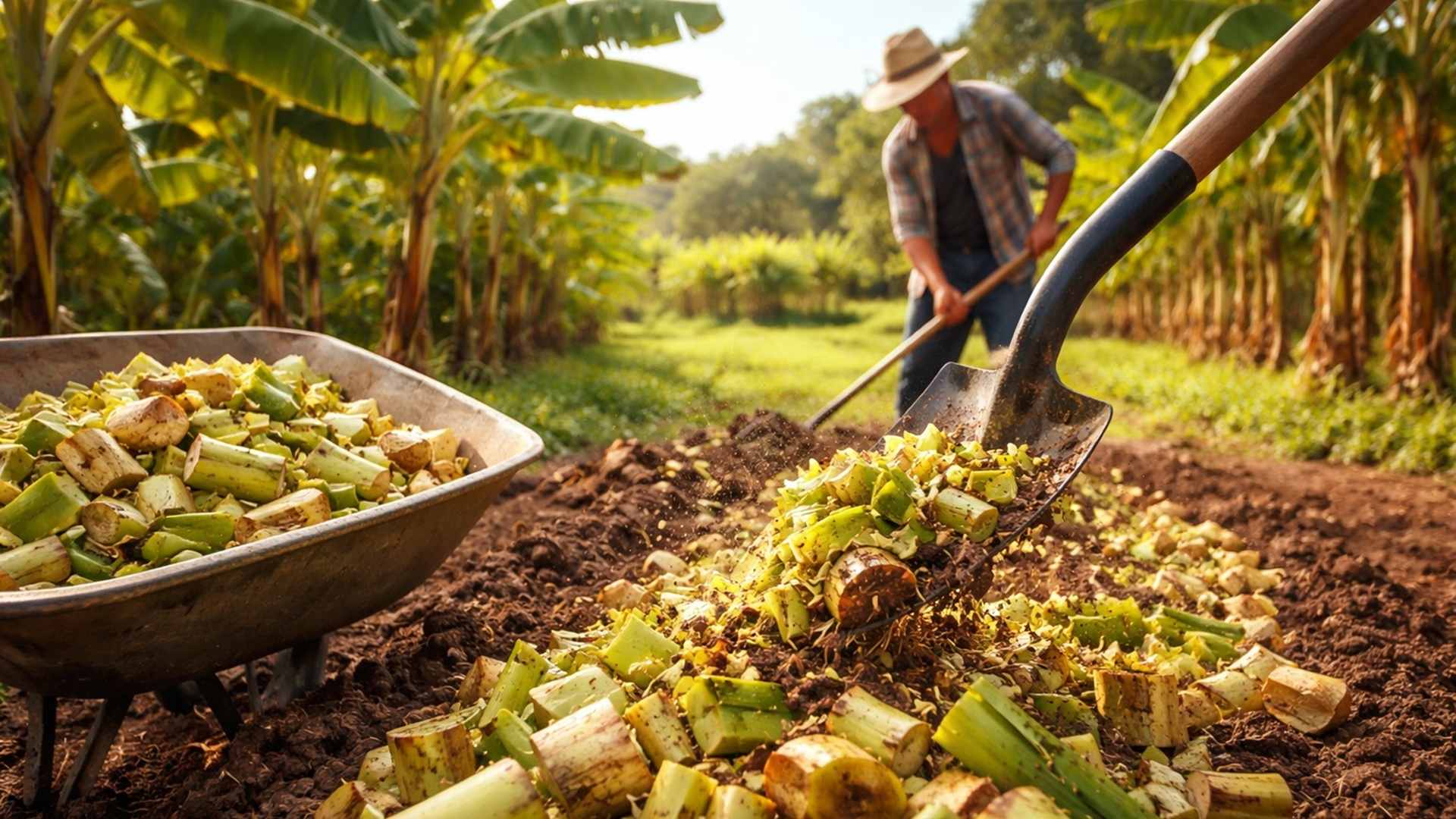


There Are Many Farmers Who Live in the Countryside for Years and Do Not Know: How the Banana Plant Can Transform Their Land into Natural Fertilizer, Improving Soil Fertility and Ensuring a Healthier Harvest
Farmers, especially those who live in rural areas and deal directly with food production, can turn banana plant waste into effective fertilizer. The practice of chopping the banana plant and mixing it with the soil brings numerous benefits for soil fertility.
This simple technique can improve soil quality, enrich the land, and provide a more sustainable agricultural cycle.
Nutritional Value of the Banana Plant
The banana plant is rich in essential nutrients for the soil. It contains high concentrations of potassium, phosphorus, calcium, and magnesium, all important for plant growth.
-
Regenerative Farmers Use Keyline Plow to Improve Pasture Hydration, Storing 1 Gallon of Water Every 30 Centimeters

-
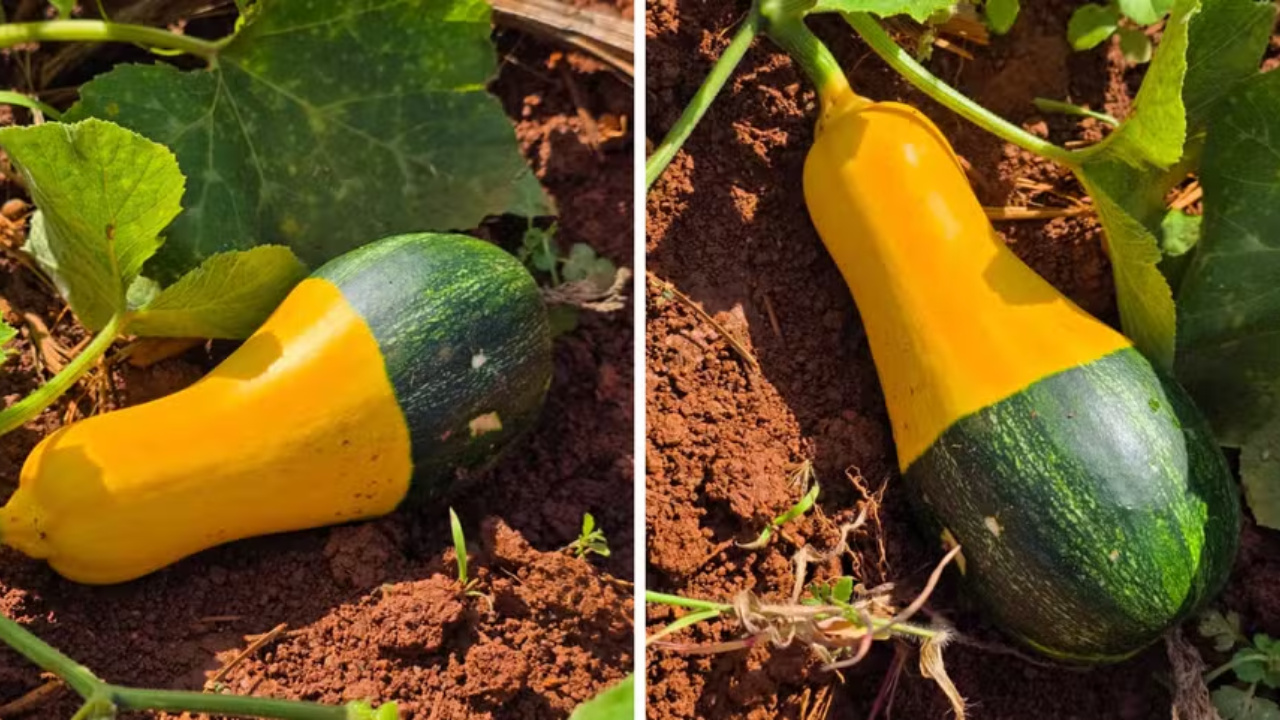
Bicolor Pumpkin Resembling Hand-Painted Art Discovered by Brazilian Researchers in the Capital Due to “Spontaneous Mutation”

-
In China, a 26-story building produces 1.2 million pigs annually, revolutionizing livestock farming with tube feeding and AI surveillance.
-
With Nearly 60% Desert, Israel Desalinates Seawater and Recycles 90% of Wastewater to Build a Billion-Dollar Agricultural Powerhouse in Dates and Cotton


These nutrients are released into the soil as the banana plant decomposes, providing natural fertilization.
Potassium, for example, helps in the ripening of fruits, while phosphorus promotes root growth.
Calcium improves soil structure, and magnesium is essential for the photosynthesis process. These nutrients are fundamental for plant health, especially in more depleted soils.
How the Banana Plant Improves Soil Structure
When the banana plant is chopped and buried in the soil, it works to improve soil structure. The decomposition of organic material contributes to the increase of organic matter, which is crucial for water retention and proper drainage.
In sandy soils, which struggle to retain moisture, this practice significantly improves the soil’s capacity to hold water, benefiting root growth of plants.
Moreover, the organic matter from the banana plant helps improve soil aeration, allowing oxygen to reach the roots and promoting healthy root development. This is especially important in compacted soils, which can hinder plant growth.
Stimulating Microbial Activity in the Soil
Another important benefit of using the banana plant as fertilizer is the stimulation of microbial activity in the soil. The decomposition of this organic material creates a favorable environment for the proliferation of beneficial microorganisms, such as bacteria and fungi. These organisms are essential for the decomposition of organic waste and nutrient cycling in the soil.
Additionally, microbial activity contributes to soil health, as it helps prevent the spread of pathogens and diseases. The presence of beneficial microorganisms also improves nitrogen fixation, which reduces the need for nitrogen fertilizers, benefiting agricultural sustainability.
Sustainability and Waste Reduction
Using the banana plant as fertilizer not only benefits the land but also is a sustainable practice that contributes to agricultural waste reduction.
Many farmers discard banana plants after harvest, but by using them as fertilizer, they avoid waste and transform a residue into a valuable resource for agriculture.
Moreover, by using the banana plant as fertilizer, the farmer reduces the need for chemical fertilizers, which can have negative impacts on the environment.
The practice of using organic waste in the soil, such as the banana plant, is an ecological alternative that promotes soil health in the long term.
The Practice of Mixing the Banana Plant into the Soil
Applying the banana plant as fertilizer is simple. Just chop the material and bury it in the soil, where the decomposition process will begin.
This process can be done directly in the garden, in banana plantations, or even on large agricultural properties.
As it decomposes, the banana plant releases its nutrients and gradually improves soil quality, favoring the healthy development of plants.
This practice can be performed in different types of soil and is especially useful in areas with more arid or depleted soil. Adding organic matter from the banana plant can enhance soil fertility, making it richer and more suitable for growing a wide variety of plants.
The banana plant, often considered a waste, is a powerful resource for sustainable agriculture.
In addition to providing essential nutrients for plants, the decomposition of organic material improves soil structure, stimulates microbial activity, and contributes to agricultural waste reduction. This simple and ecological practice can transform soil quality, making it more fertile and suitable for healthy plant cultivation.
By utilizing the banana plant as fertilizer, farmers can reduce dependence on chemical fertilizers and promote more sustainable agriculture.
This technique not only benefits the soil and plants but also contributes to environmental preservation, making it a beneficial solution for the agricultural challenges of the future.


Meu Deus. Ele só ficou falando para usar com adubo orgânico, no outro parágrafo novamente a mesma informação, e depois de novo. A informação é boa, mas caberia em um único parágrafo.
Um jornalista que não sabe onde usar “dois pontos”. Não tem revisor nessas matérias?