






 Portuguese
  Spanish


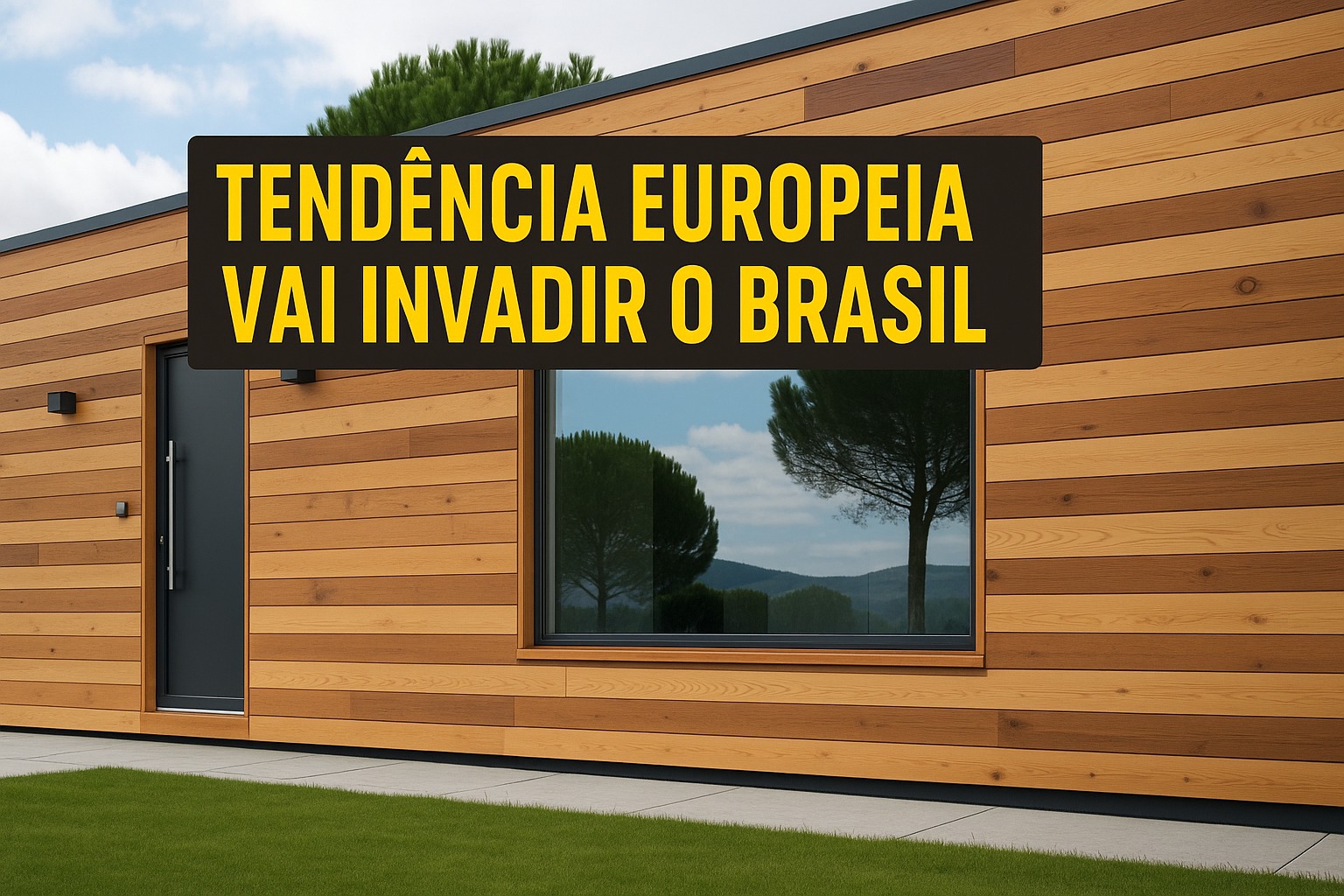


Prefabricated Noble Wood Houses Inspired by Scandinavian Design Promise to Revolutionize the Residential Sector in 2026, Uniting Modern Aesthetics, Fast Construction, and Sustainability — a Trend That Is Already Starting to Consolidate in Brazil
Residential architecture is about to undergo a transformation inspired by Europe. Prefabricated noble wood houses are emerging as one of the main bets in the market for 2026, catching attention for uniting modern aesthetics, sustainability, and speed of delivery.
With designs that value Scandinavian design and construction efficiency, this model promises to redefine the concept of contemporary housing.
The Charm of Scandinavian Style in Homes
In Nordic countries like Sweden and Finland, wooden construction has become a symbol of innovation and environmental respect.
-
Warm water hidden deep in the ocean has been moving towards Antarctica for 20 years, potentially accelerating glacier melting from below.

-
U.S. Offers Nearly $200,000 to Combat Invasive Mussels Threatening Waterways and Hydroelectric Plants
-
Cigarette Butts Pollute Brazilian Beaches, Sparking Debate on Coastal Environmental Protection Measures
-
App Drivers Unite in Major Solidarity Effort to Aid Venezuela Earthquake Victims, Mobilizing the Brazilian Amazon with Donation Campaign


The Scandinavian style has conquered the world because it combines functionality, natural beauty, and thermal comfort.
Now, this trend is expanding to other continents, with adaptations that preserve the clean and cozy look typical of Northern Europe.
In addition to its visual appeal, noble wood houses offer superior thermal and acoustic performance, making them suitable for different climates.
This versatility is one of the factors that facilitates their acceptance in tropical climate countries like Brazil.
Materials with History and Durability
The raw material used in these projects is an important differentiator. Woods like Nordic pine and Scandinavian spruce are widely used for their durability and refined appearance.
Each piece undergoes rigorous certification and drying processes, ensuring long life and lower maintenance needs.
Moreover, the use of certified wood contributes to environmental preservation because it encourages sustainable management and reduces the impact of constructions on the ecosystem.
Fast and Precise Construction
Another point that has delighted architects and buyers is the speed of execution. While traditional construction can take months or even years, a prefabricated house can be completed in a few weeks.
This happens because the components are produced in a controlled environment and assembled on-site with millimeter precision.
This efficiency allows for cost reduction and avoids unforeseen events, making the process more predictable and accessible.
Prefabricated Noble Wood Houses: Sustainability as a Principle
The prefabricated model represents an important advance in ecological construction. It reduces material waste and better utilizes natural resources.
Wood, besides being renewable, acts as a carbon storage, directly contributing to environmental balance.
With this combination of design, speed, and ecological responsibility, prefabricated noble wood houses emerge as the future of modern housing — a future that is already beginning to take shape in Brazil.
With information from ND Mais.


