Portuguese
  Spanish


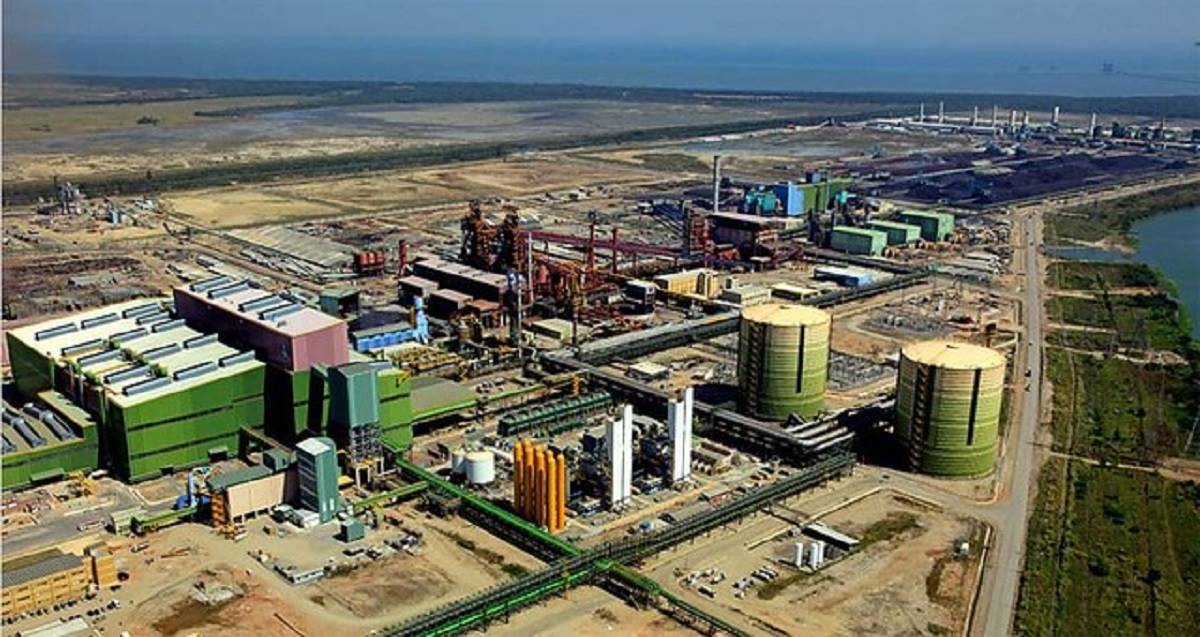

Ternium Steel Complex in Santa Cruz, Rio de Janeiro, Receives Millions of Dollars Every Year in Infrastructure and Environmental Investments
Ternium invested, from July of last year to June of this year, US$ 80 million in infrastructure and the environment of the Atlantic Steel Company (CSA) industrial plant in Santa Cruz, western zone of Rio de Janeiro.
The steel mill was purchased from ThyssenKrupp in 2017 and when acquired, its production capacity was around 4.5 million tons; today it stands at 4.7 million steel plates, thanks to the investments made.
The company’s annual investment expectation for the next period at the plant in the state of Rio de Janeiro is expected to be close to US$ 100 million, and three companies from Minas Gerais are absorbing these projects: Usiminas Mecânica, Convaço, and Emalto.
According to Ternium’s general manager in Brazil, Fernando Caracoche, the total installed capacity of the plant reaches 5 million tons, but it intends to increase these numbers in the medium term, depending on the rise in international market demand.
-
Over 2,000 Tons of Discarded Fishing Nets Since 2020 Repurposed into Durable Caps, Fins, and Parts

-
Seals and Sea Lions Lose Habitat and Food as Climate Change Advances, Impacting Ice, Prey, and Coastal Communities

-
Brazilian Innovator Uses 3D-Printed Device to Cool Two Rooms with One Air Conditioner
-
China Uses 432 Robots to Move a 7,500-Ton Historic Building in Shanghai, Preserving Architecture While Creating Space for Underground Center


Scope of the Contractors
Regarding the investments and execution by Usiminas Mecânica, the production shutdown is scheduled to begin this week and is expected to last eighteen days.
The scope of Usiminas Mecânica involves the restoration of the Electrostatic Precipitator, which aims to improve gas emission levels into the atmosphere.
Regarding Convaço from Ipatinga, the company will be responsible for repair works on the sinter ignition furnace.
Emalto from Timóteo will carry out the construction of an elevator for the blast furnaces of the plant.
Another area receiving substantial investments is the automation sector, with the purchase of 2 robots, costing US$ 6 million, which are replacing human action in high-risk activities.
These replaced employees have been relocated to supervise the activities, and this example will be spread to other plants in Mexico and Argentina.