Portuguese
  Spanish


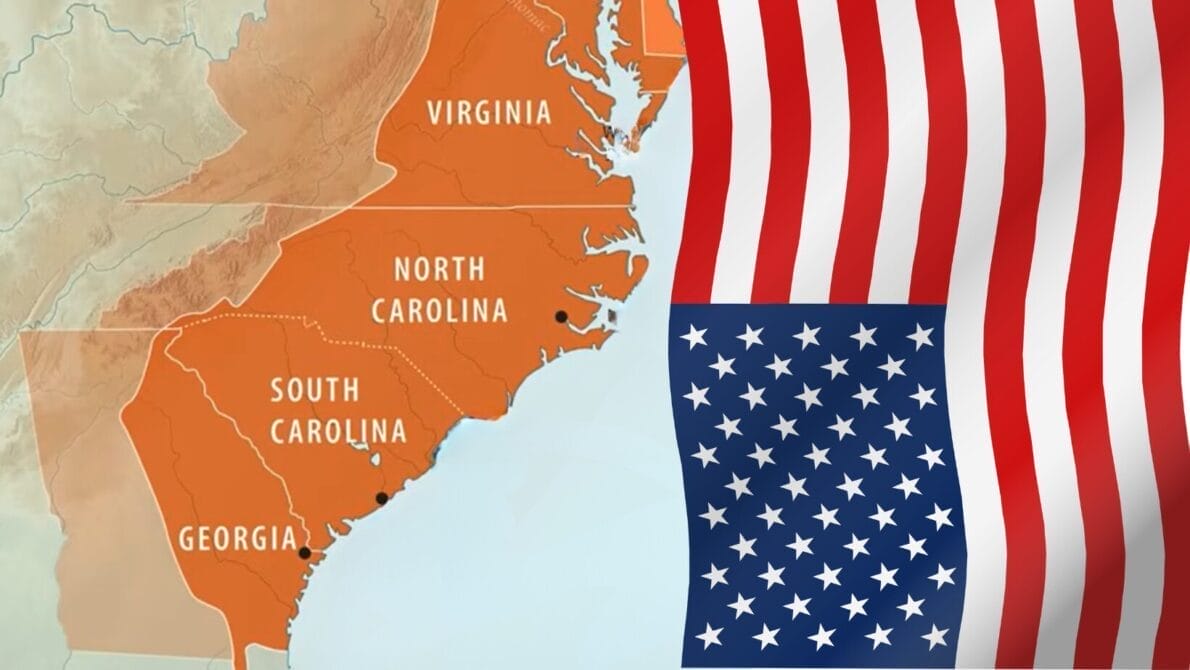

Discover Why The Population Of The United States Is So Unequally Distributed And How Geography Influences This Pattern.
In recent years, India has taken the title of the most populous country in the world, according to the United Nations. But did you know that the United States ranks fourth in size, covering about 6% of the Earth’s landmass? With a population of approximately 335 million people, the United States has plenty of space for its inhabitants. However, the population distribution in the country is quite unequal, according to data shown on the Incredible channel, on YouTube.
When drawing an imaginary line straight down the middle of the country, from the northern border in the North to Texas in the South, the numbers reveal something surprising: 80% of the population of the United States lives east of this line, while the remaining 20% lives west. This means that only one in every five Americans lives in a vast region that stretches from the east coast to the west coast.
Population Distribution In The United States And Its Historical Origin
This unequal distribution of the population has deep historical and geographical roots. The East Coast was where the United States gained independence in 1776, with the 13 original colonies. Settlers began to spread westward, and a significant milestone was the Louisiana Purchase in 1803, which today largely makes up what we call the Midwest. This region has fertile soil ideal for agriculture, which historically attracted settlers.
-
European Parliament Approves Digital Euro, Aiming to Challenge Visa and Mastercard’s Dominance and Transform Payments Across Europe by 2029

-
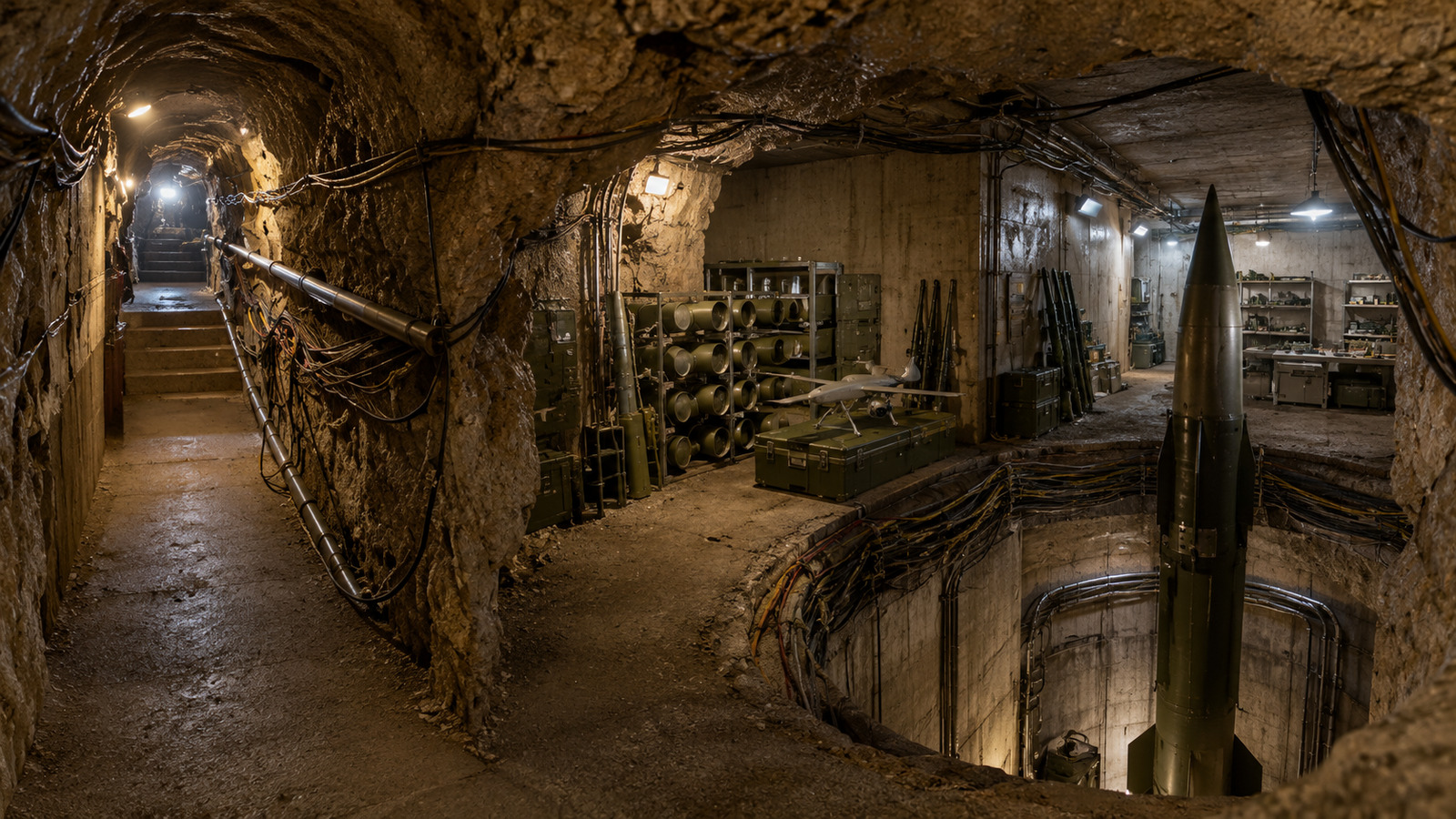
Israel finds Hezbollah militarized tunnel over 200 meters long under village, with 4 missile launch shafts, 12 chambers, anti-tank missiles, drones, and weapons depots at a depth of 25 meters.

-
Ukraine launches largest drone attack on Moscow since 2022, Russia claims to have intercepted nearly 200 aircraft near the capital, Kapotnya refinery targeted again, and offensive reignites alert about war reaching the Russian energy heart just a few kilometers from the Kremlin.

-
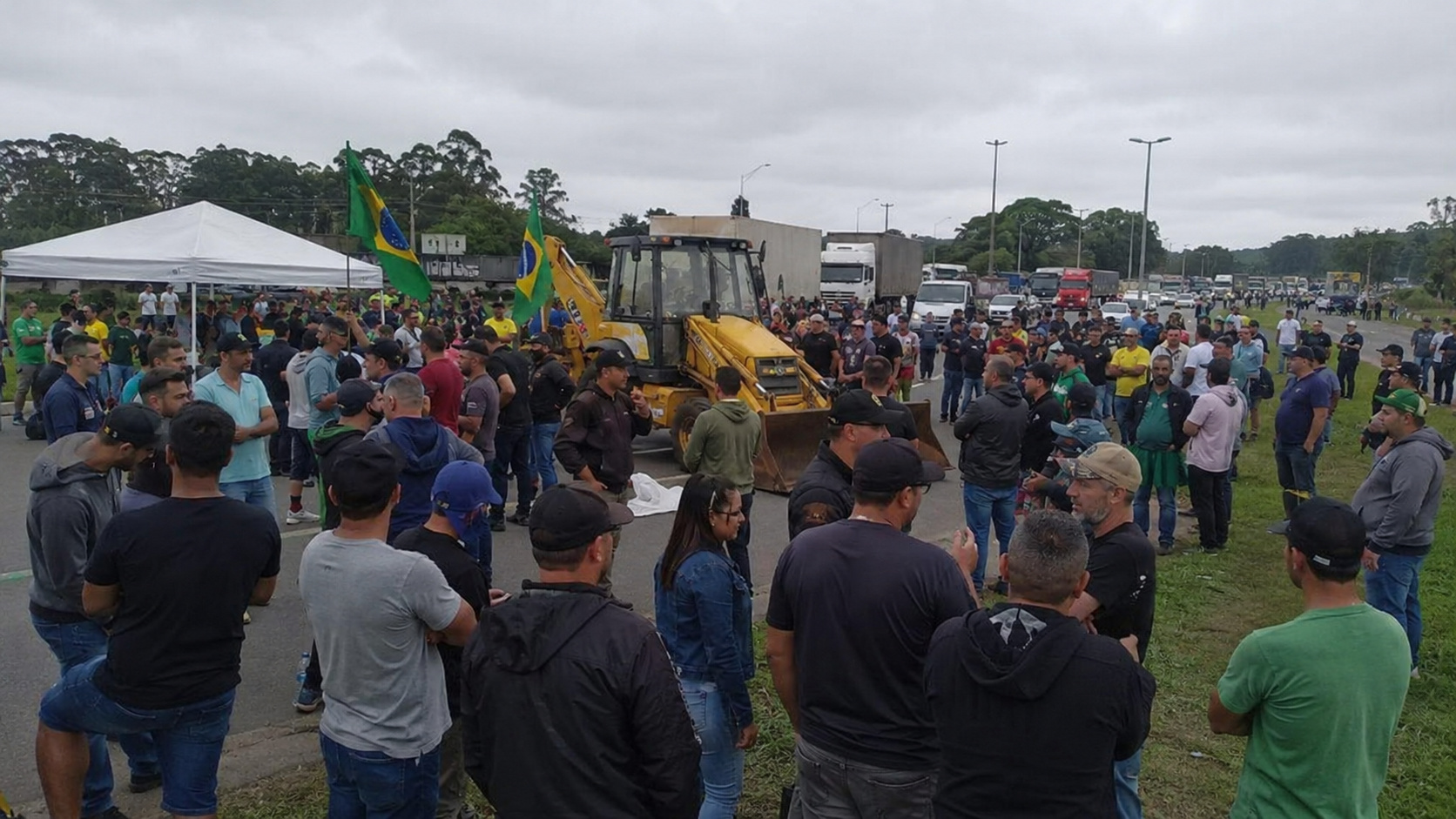
Truck drivers, freight, and fines from 2022 take center stage in politics: Chamber approves MP with amnesty, mandatory tracking by CIOT, million-dollar penalties, and new minimum wage for those who spend more than 24 hours on the road.


However, demographic data reveals that most Americans live on the East and West Coasts, leaving a large area in the middle of the country practically empty. Known as the “underpopulated belt” of the United States, this area stretches from the Canadian border in the north to Mexico in the south. Although it houses just over 3 million people, which is approximately the population of Jamaica, there is room for many more residents.
Where To Live In The United States After All?


Population Of The United States In The Great Plains
Geography plays a crucial role in this population distribution. The underpopulated belt of the population of the United States is located in the Great Plains, a flat area that seems ideal for large settlements. However, to the east of this region are the Rocky Mountains, which are about 76 million years old and play a vital role in the local climate. The rain shadow effect causes the area west of the Rocky Mountains to receive a lot of rain and snow, while to the east is one of the driest parts of the country.
Additionally, the polar winds descending from the Rocky Mountains to the plains make the winter extremely cold and the summers very hot, which is not ideal for agriculture or human comfort. This explains why the population of the United States is so densely concentrated in coastal areas, where the climate is more temperate.
Meanwhile, countries like Australia face similar challenges, with much of the population concentrated in coastal areas due to the arid conditions in the interior. The population distribution in the United States is a fascinating example of how geography and history shape a country’s human and social development.