Portuguese
  Spanish


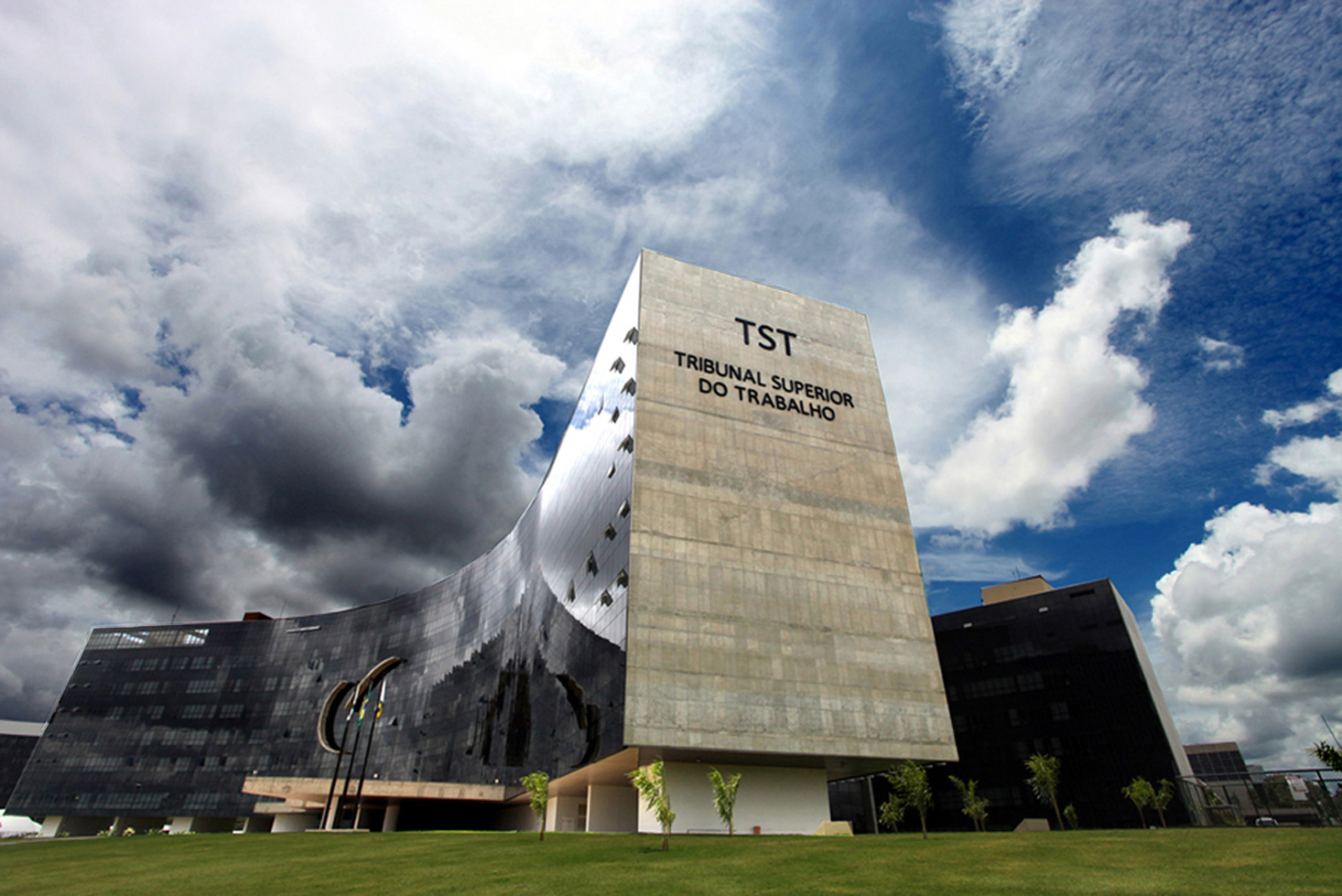

Tese 125 of the TST Redefines the Criteria for Provisional Stability Due to Occupational Illness, Waiving Absence of More Than 15 Days or Accident Benefit. See How This Impacts Employees and Companies.
What Is Tese 125 of the TST and Why Was It Judged
Tese 125, established by the Superior Labor Court (TST) on April 25, 2025, decided that, to guarantee the provisional stability provided for in Article 118 of Law 8.213/91, it is not necessary for the worker to have been absent for more than 15 days nor to have received accident-related sick pay — as long as it is proven, even after the end of the contract, the causal or concurrent link of the occupational disease.
The decision formalizes an important change in relation to the previous understanding, which linked provisional stability to stricter requirements.
As a result, employees now have broader protection, and employers need to adjust internal practices to comply with the new binding rule.
-
Dismissing a retired worker or one eligible for retirement constitutes ageism and creates a duty to compensate: a unanimous decision by the TRT mandates reinstatement to employment, payment of back wages, and upholds compensation of R$ 15,000 for discrimination.

-
Work less and produce more? Nobel Prize in Economics explains why shorter workdays can increase productivity

-
Unions are growing again in Brazil after more than a decade, but they face an urgent challenge to win back digital workers and maintain relevance.
-
From the typewriter to the home office: how work has changed and why new generations think differently



How the Tese Affects Workers
For those who become ill at work or develop an occupational disease, Tese 125 represents a real gain in protection.
Now, even without an absence longer than 15 days or without the granting of sick pay by the INSS, the employee can claim job security for 12 months if there is proof of the causal or concurrent link with the activities performed.
This change particularly benefits workers whose illnesses become noticeable only after the employment relationship has been terminated, or whose formal absences were not requested or denied.
With the new tese, there will be the possibility of stability even in these cases.
Challenges and Impacts for Companies
Employers will now have to revise occupational health procedures and absence management.
Tese 125 requires more rigor in documenting work-related illnesses and in supervising working conditions to avoid legal liabilities.
Additionally, with the requirement for proof of occupational link, companies will need to improve their internal processes for medical verification, expert examinations, and workplace environment records.
Legal Security Versus Uncertainties
The new tese becomes binding in the system of qualified precedents, meaning that all judges in the Labor Justice system must follow it.
In this way, its application will be uniform throughout the country.
On the other hand, there are practical doubts, such as determining exactly when stability begins (contract termination date or another), especially in cases without formal absence or benefits.
These legal gaps may generate new litigation, even with the tese consolidated.