Portuguese
  Spanish


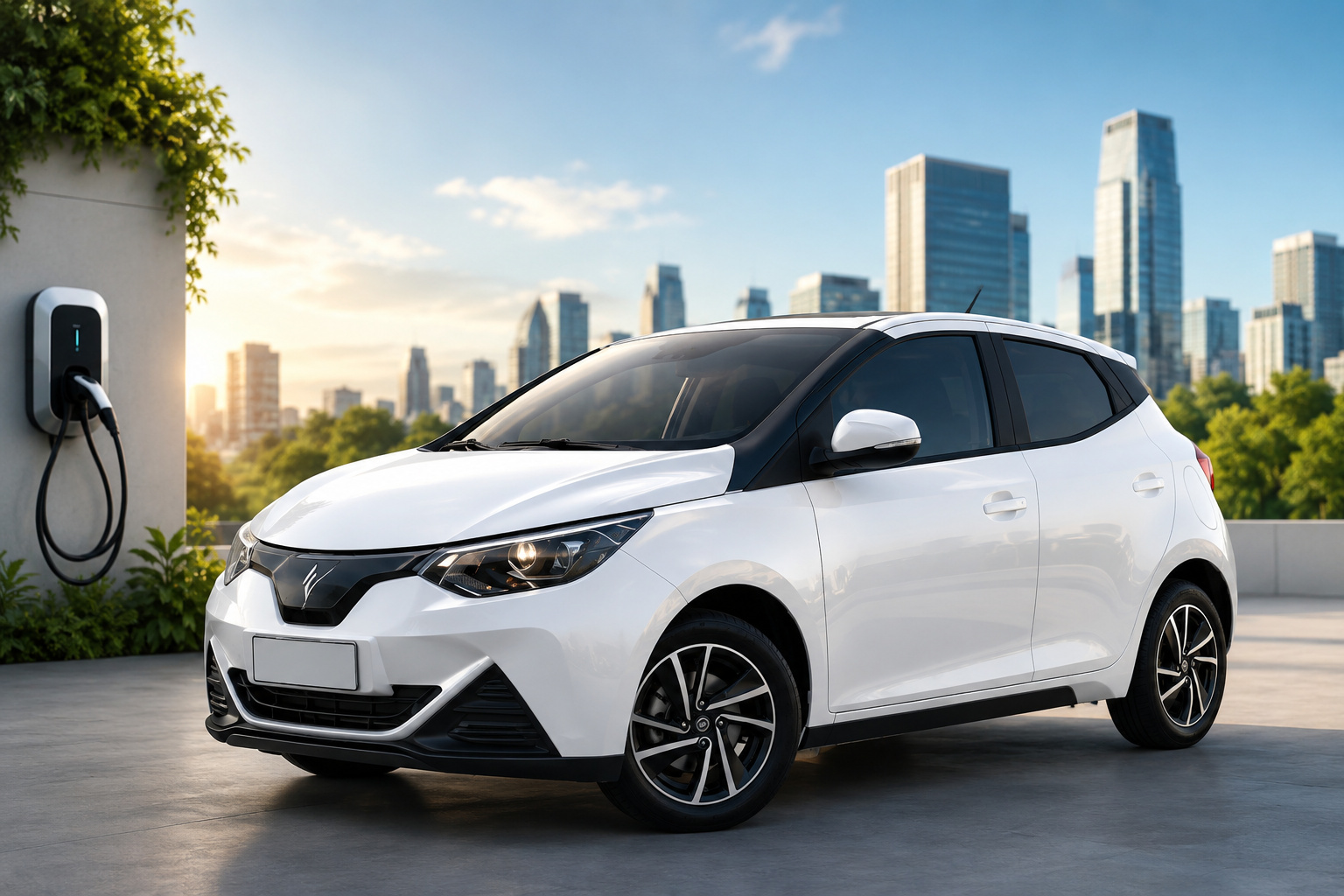


The Brazilian market for electric vehicles gained a new chapter after a dispute involving South Korean automaker Kia and manufacturer E-Motors. The Brazilian company had to rename its compact electric models, previously called EV2 and EV3, after Kia alleged improper use of the nomenclatures in Brazil.
The change drew attention not only due to the commercial conflict but also because E-Motors’ models are among the cheapest cars in the country. Furthermore, the episode highlights how the growth of the electric vehicle sector is increasing disputes related to brands, commercial identity, and intellectual property.
What happened between Kia and E-Motors
According to information released by Quatro Rodas magazine, Kia published an official note in April 2026 denouncing the use of the names EV2 and EV3 by E-Motors and the Chinese JMEV in Brazilian territory.
-
Chevrolet SUV Offers 153 hp Engine, 620 km Range, and ADAS Features at a Lower Price Than a New Kwid

-
London buses run on biofuel made from coffee grounds, turning café waste into sustainable public transport fuel without engine modifications.

-
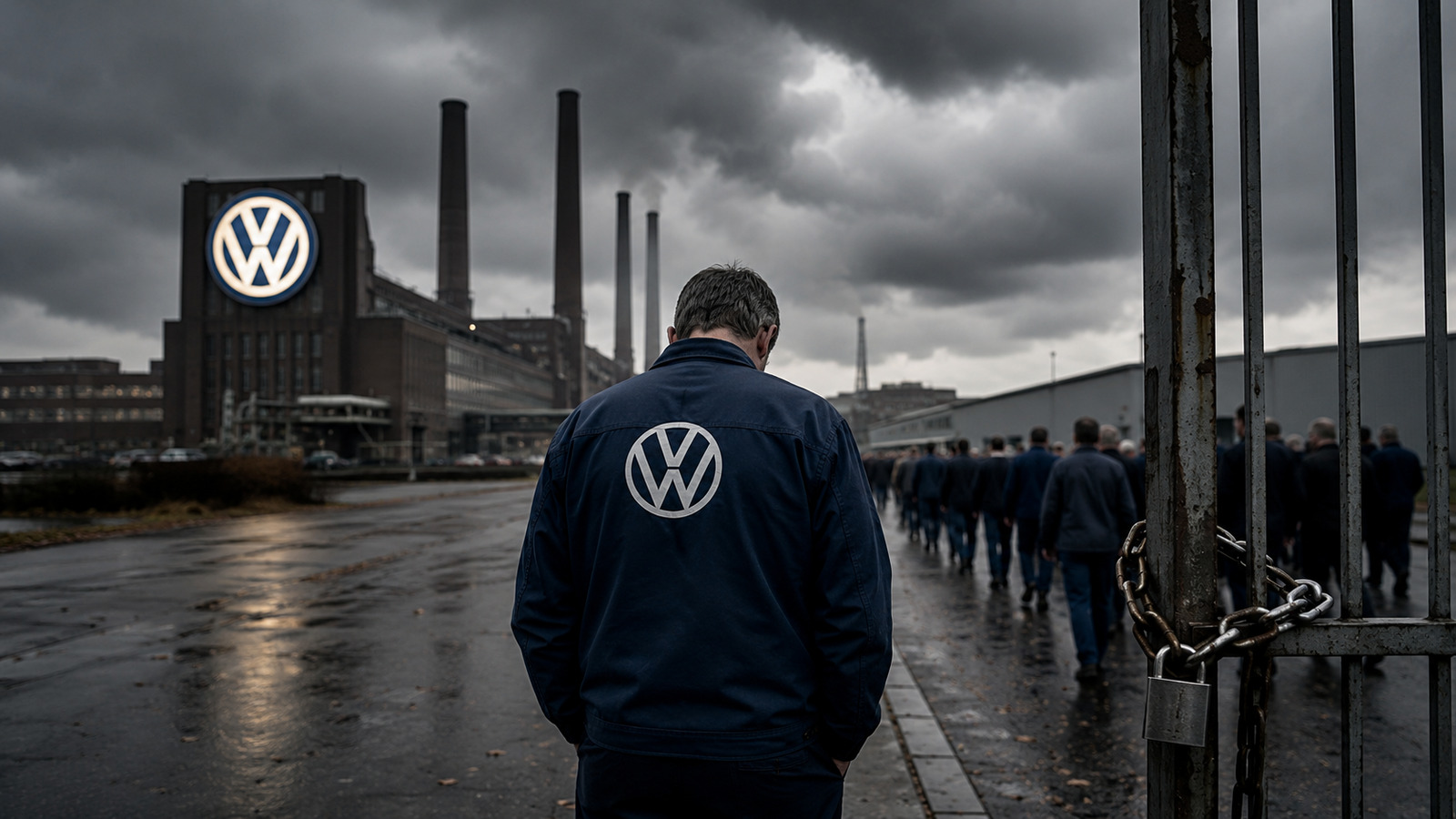
Major Automaker Considers Closing 4 Factories, Putting 45,000 Jobs at Risk Amid Chinese Competition in Brazil

-
Formula 1 Drivers to Swap Million-Dollar Cars for Lego Karts with 28,000 Pieces and Electric Motors at Silverstone, Reaching Speeds of 25 km/h



According to the South Korean automaker, the names were already previously registered with the National Institute of Industrial Property (INPI). Therefore, the company claimed exclusivity over the nomenclatures in the national market.
Following the repercussion of the case, E-Motors decided to change the names of its compact electric vehicles.
What were the new names adopted
With the change, the models are now called Easy Urban and Easy Pro. The alteration seeks to avoid legal conflicts and adapt the vehicles to intellectual property rules in Brazil.
Furthermore, the company intends to strengthen its own identity in the national electric mobility market.
The case also shows how vehicle naming has become strategic in an increasingly competitive sector.
The growth of electric vehicles in Brazil
The electric car market has been growing rapidly in Brazil in recent years. Furthermore, national and foreign manufacturers have increased investments in the segment.
With the search for sustainable mobility, compact and more accessible vehicles have gained space among Brazilian consumers.
In this context, models considered “popular electric cars” began to attract attention, especially due to their reduced cost compared to other electric vehicles available on the market.
Why the names EV2 and EV3 generated dispute
Kia already uses the “EV” nomenclature globally to identify its line of electric vehicles.
Furthermore, the brand has international models called EV6 and EV9, for example. Thus, the use of EV2 and EV3 by another company could generate undue association between the products.
According to intellectual property specialists, trademark registrations hold great strategic importance, especially in competitive and expanding markets.
In this scenario, the dispute involving E-Motors shows how the automotive sector is increasingly attentive to the protection of commercial identity.
The role of INPI in this type of dispute
The National Institute of Industrial Property (INPI) is the body responsible for the registration of trademarks and patents in Brazil.
When a company officially registers a certain name or commercial identity, it gains the exclusive right to use it within the national territory.
Furthermore, disputes involving brands tend to increase in technological and innovation sectors.
In Kia’s case, the automaker stated that the registrations already existed previously, reinforcing its right over the names EV2 and EV3.

The impact of the dispute for E-Motors
Despite the name change, E-Motors continues to bet on the growth of the compact electric vehicle market in Brazil.
Furthermore, the repercussion of the case ended up increasing the visibility of the brand and its models.
The episode also highlights the challenges faced by smaller companies when competing in a sector dominated by large global automakers.
Even so, the popular electric car segment continues to be seen as a strategic opportunity in the country.
The advance of affordable electric cars
For many years, electric vehicles were associated with high prices and premium models. However, that scenario has begun to change.
Currently, companies are seeking to develop compact, urban, and cheaper cars to expand access to electric mobility.
Furthermore, consumers are showing growing interest in economical and sustainable vehicles.
In this context, E-Motors models gained prominence precisely because they are considered some of the cheapest electric cars in Brazil.
The importance of brand identity in the automotive sector
The case involving Kia and E-Motors also reinforces the importance of visual and commercial identity in the automotive sector.
Vehicle names help build market positioning, brand recognition, and differentiation among competitors.
Moreover, in the electric car segment, many automakers use specific nomenclatures to reinforce innovation and technology.
Therefore, disputes over name registrations tend to become more frequent as the market grows.
The global scenario of electric vehicles
The advance of electric cars is not happening only in Brazil. Several countries are accelerating the transition to less polluting vehicles.
Furthermore, governments and automakers are investing billions of dollars in electrification, batteries, and charging infrastructure.
In this scenario, new companies are emerging, trying to gain space in a highly competitive market.
At the same time, large traditional manufacturers seek to protect their brands and consolidate global positioning.
The challenges of the electric car market in Brazil
Despite the growth, the sector still faces significant obstacles in Brazil.
Among the main challenges are:
- Limited charging infrastructure
- High cost of batteries
- Dependence on imports
- Taxation
- International competition
Even so, the market continues to expand, especially in the urban compact segment.


What consumers are looking for currently
Brazilian consumers have shown growing interest in economical, compact, and sustainable vehicles.
Furthermore, the increase in fuel prices drives the demand for electric alternatives.
In this context, cheaper cars gain a competitive advantage.
At the same time, consumers also value technology, autonomy, and reduced maintenance costs.
The impact of the dispute in the automotive sector
Although the dispute between Kia and E-Motors mainly involves brand issues, the episode symbolizes something larger: the accelerated growth of electric mobility in Brazil.
Moreover, it shows how companies are competing for space in a market considered strategic for the coming years.
With the advance of electrification, similar cases may become more common, especially involving commercial registrations and global brand positioning.
What to expect from the future of popular electric cars
Experts believe that compact and affordable electric cars should gain even more space in Brazil.
Furthermore, new technologies tend to reduce production costs and increase battery autonomy.
In this scenario, national and foreign manufacturers will continue to compete for consumers in an increasingly competitive market.
Finally, the case involving Kia and E-Motors highlights that the future of electric mobility does not depend solely on technology, but also on commercial strategy, brand identity, and global positioning.