Portuguese
  Spanish


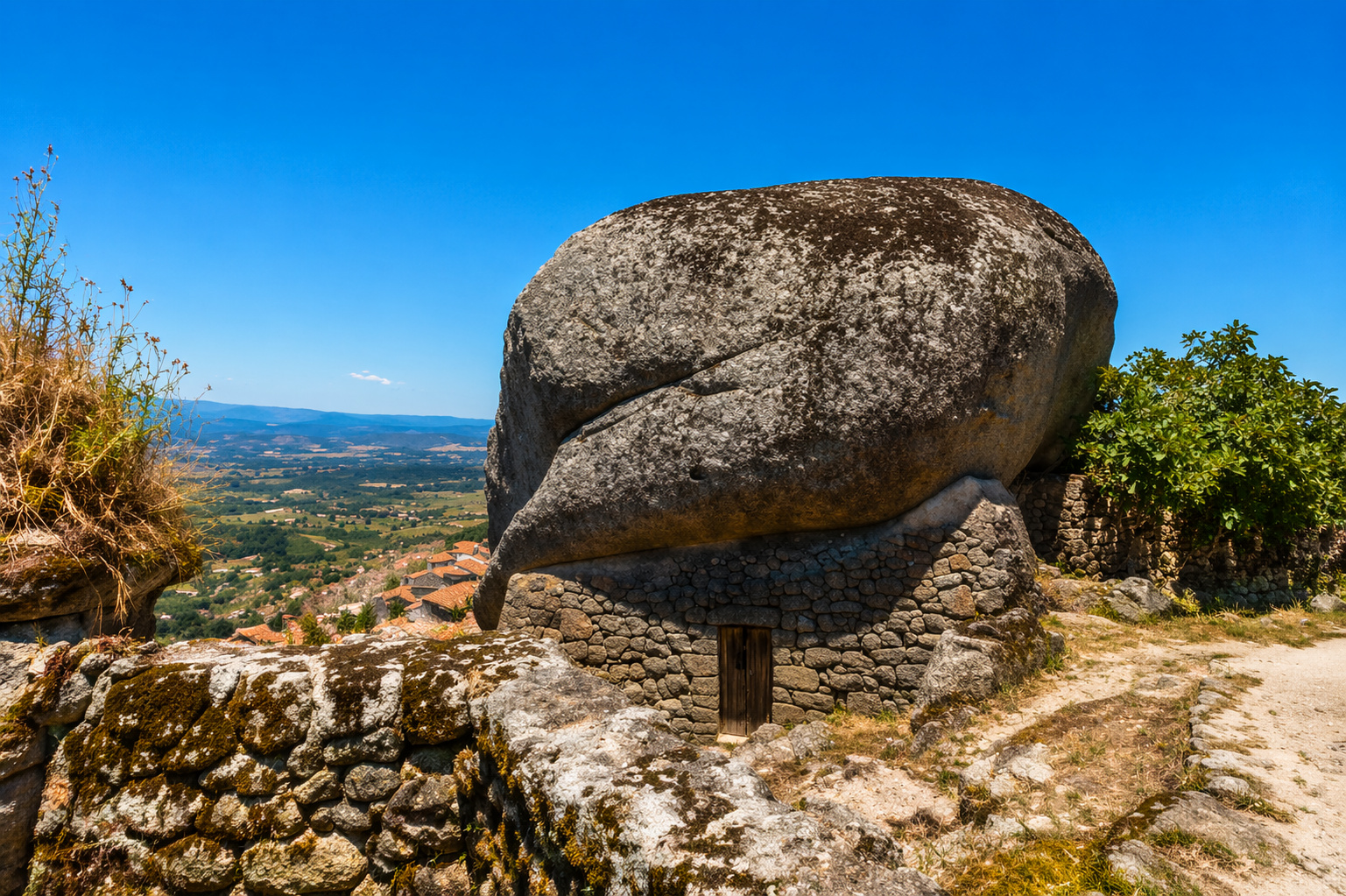

Stone houses in Monsanto use granite as structure and reveal a unique construction that impresses by adapting to nature
The stone houses in Monsanto, in Portugal, seem to defy any common logic of civil construction. What stands out the most is the use of giant granite blocks as part of the structure of the houses, something that completely changes the way of thinking about a building.
In this scenario, the rocks are not obstacles. They are part of the houses, functioning as walls, floors, and even roofs, creating a construction model that impresses with its simplicity and efficiency.
Giant granite blocks define how the houses are built
The presence of enormous granite blocks scattered throughout the village is the main factor that explains the shape of the buildings. Instead of removing these stones, the residents decided to adapt their houses to the environment.
-
How to Prevent Brown Recluse Spider Bites: Common Hiding Spots and Free Tips to Reduce Risks

-
Natto: The Unusual Japanese Superfood Gaining Popularity on Social Media and Driving Record Exports
-
Brazilian Mayor Goes Undercover as Homeless for 24 Hours to Assess Public Services

-
15-Year-Old Entrepreneur Malu Lira Publishes 20 Children’s Books on Financial Education, Earns $500,000, and Expands Her Project to the Amazon Rainforest




The residences began to be built around, between, and even under these rocks, intelligently utilizing the available space. This makes each house have a unique shape, without a defined pattern.
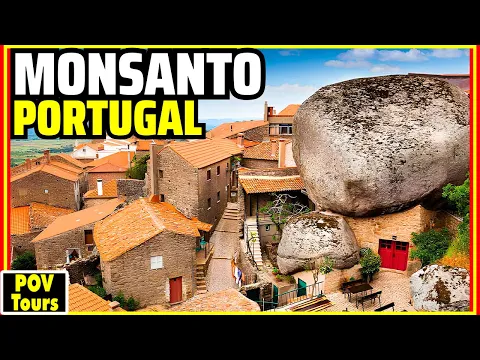

The information was released by Turismo de Portugal, the official tourism promotion agency of the country, which highlights the village as one of the most remarkable examples of integration between construction and nature.
Rocks function as walls, floors, and roofs of the houses
In the stone houses in Monsanto, granite is not just part of the landscape. It transforms into the very structure of the building, replacing traditional elements like bricks and tiles.
In many houses, a single rock can serve multiple functions at the same time. It can act as a supporting wall, as the base of the floor, or even as natural roofing.

This type of construction ensures high resistance and long durability, as granite is an extremely solid material.
Doors fitted directly into the rocks attract attention
One of the most curious details is in the way the entrances of the houses were made. There are cases where doors were installed directly into the stone blocks, taking advantage of natural spaces.
This solution shows how the construction fully adapts to the environment. Instead of altering the rock, the residents adjust the house to the already existing shape.
The result is unique entrances that reinforce the unusual appearance of the houses and spark curiosity in those who visit the region.
Construction takes advantage of the environment and avoids major changes to the land
The model of the stone houses in Monsanto follows a simple logic. Nature defines the space and the construction fits within it.
This type of adaptation reduces the need for major works, such as deep cuts in the soil or transportation of heavy materials. Everything is done by utilizing what is already present on site.
Portugal Tourism, the official tourism promotion agency of the country, highlights that this characteristic helps maintain the balance between constructions and the natural environment.

Different architecture transforms the village into a tourist spot
The appearance of the houses catches attention at first glance. Giant rocks supported on constructions create a scene that seems impossible, but has existed for a long time.
This combination of nature and construction has transformed Monsanto into a well-known destination, especially for those interested in architecture and history.
Each house presents a different solution, making the experience even more intriguing for visitors.
Stone houses in Monsanto show a simple solution that became a reference
The stone houses in Monsanto demonstrate that it is possible to build efficiently without following traditional standards. The use of granite as the main structure reveals a practical and intelligent solution.
In addition to being resilient, these houses represent a form of construction that values the natural environment and reduces unnecessary interventions.
Have you ever seen something like this? Comment on what you think of this construction and share it with those who also enjoy impressive curiosities.