Portuguese
  Spanish


Jesús Malverde is said to have lived in Sinaloa in the 19th century and became a symbol of protection for the poor, marginalized, and members of the Mexican drug trade.
One of the most controversial figures in Mexican popular religiosity is said to have started his journey as an outlaw.
Known as Jesús Malverde, he is said to have robbed wealthy landowners and corrupt authorities to help poor residents of Sinaloa, in northern Mexico.
The fame of these actions made Malverde compared to Robin Hood. Decades later, he also came to be called the “saint of traffickers”.
-
German Man Sells Everything, Embarks on 5,000 km Jet Ski Adventure Across 13 Countries with Girlfriend and Dog, Spending Over 7,000 Euros on Fuel

-
Strawberry Moon to Be Visible in Brazil on Monday (29th); Here’s When and How to Watch

-
Driver Crosses 100-Year-Old Railway Bridge Over Uruguay River, Encounters Rural Couple Preserving Traditional Farming Methods
-
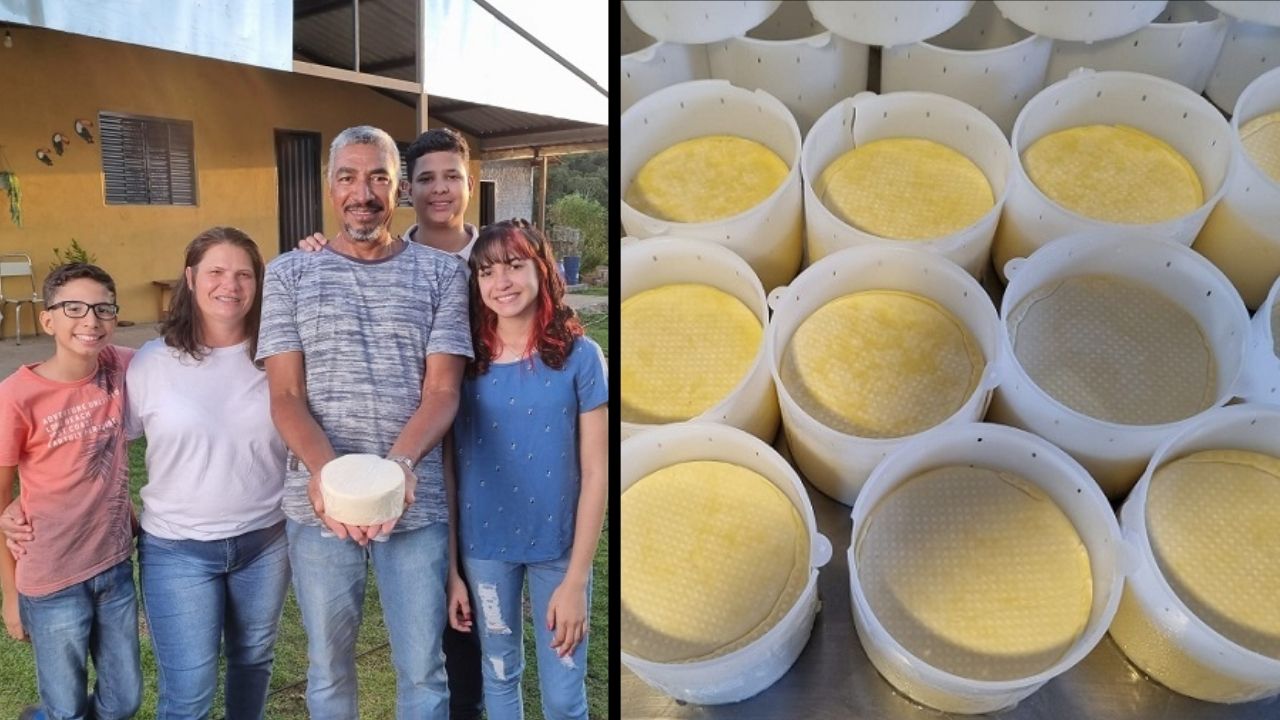
Rural Producer Returns to Brazilian Farmland, Builds Family Agricultural Business with Children’s Support and Industry Backing




The enormous popular devotion, however, was not enough to ensure recognition by the Catholic Church. The very historical existence of Malverde remains surrounded by doubts.
The supposed Mexican Robin Hood who helped the poor
Popular accounts claim that Jesús Malverde lived at the end of the 19th century, in the Mexican state of Sinaloa.
During that period, he would attack large landowners and authorities considered corrupt. Part of the stolen goods would be distributed among poor communities.
This stance is said to have won the admiration of the most marginalized layers of the population. The local government, in turn, is said to have offered a reward for the capture of the criminal.
During one of the robberies, Malverde is said to have been shot. Surrounded and with no possibility of escape, he is said to have surrendered to the authorities.
Execution in 1909 helped build the legend
A narrative presented by Equal Times claims that Jesús Malverde was executed on May 3, 1909.
The authorities are also said to have prohibited the burial. The body is said to have remained exposed on a tree to intimidate other criminals.
Residents of the region began, over time, to cover the remains with stones.
This practice is said to have given rise to the myth of the “bandit of the poor”, a figure that crossed generations and became an object of devotion.
Records presented by the magazine piauí, however, highlight the historical uncertainties about Malverde. His trajectory may have been constructed by the Mexican popular imagination.
Connection with drug trafficking emerged decades later
The association between Jesús Malverde and drug trafficking appeared long after his supposed death.
Sinaloa has become one of the main centers of drug trafficking in Mexico. The regional origin of Malverde, therefore, brought his image closer to this universe.
A popular story also involves Raymundo Escalante, the son of an influential trafficker.
Raymundo is said to have suffered an assassination attempt ordered by his own father. Injured, he supposedly prayed to Malverde and survived, according to the narrative of the devotees.
Traffickers began, from this episode, to visit the altars of the popular saint in search of protection.
Among the names associated with the devotion are Rafael Caro Quintero, Amado Carrillo, and followers of Joaquín Guzmán, known as El Chapo.

Devotion to Malverde goes beyond crime
Limiting Jesús Malverde to drug trafficking ignores a significant portion of his followers.
Residents of regions marked by poverty and violence see in him a figure close to the difficulties faced daily.
The devotees also turn to Malverde to make requests related to:
- employment and prosperity;
- protection for family members;
- safety in moments of risk;
- comfort in the face of difficulties.
Malverde functions, in this way, as an accessible popular saint. However, official recognition from the Catholic Church has never been granted.
Altars receive tequila, cigarettes, and money
Altars dedicated to Jesús Malverde are currently found in different regions of Mexico.
The devotion has also reached cities in the United States and Colombia.
One of the most well-known chapels in Mexico City is located in the Colonia Doctores, according to records from Excélsior and the portal Chilango.
Images of Malverde share the space with representations of Santa Muerte. The environment is often filled with the smell of tobacco.
Followers leave different offerings in front of the images:
- flowers and apples;
- tequila bottles;
- cigarettes and cigars;
- money;
- personalized religious objects.
Visitors expect to receive protection, achieve blessings, or give thanks for requests granted in exchange for the offerings.
Celebrations gather devotees twice a month
The days 3rd and 17th of each month are marked by celebrations dedicated to Jesús Malverde.
Believers gather on these dates to pray, give thanks for blessings received, and present new requests.
The story of the “bandit of the poor” remains alive in Mexican popular culture more than a century after the supposed execution in 1909.
For you, does Jesús Malverde mainly represent a protector of the marginalized or a symbol linked to drug trafficking? Share your opinion!