Portuguese
  Spanish


Inez Catelan Lazarotto, rural producer from Tapurah, returned permanently to Mato Grosso in 2002, found 300 open hectares, and consolidated the property with family organization, expansion of the agricultural area, and representation of Aprosoja MT, according to a publication by the entity on March 9, 2026, about the Mato Grosso countryside.
The rural producer Inez Catelan Lazarotto, 69 years old, built her career in the municipality of Tapurah, in Mato Grosso, starting from a family property that began with 300 open hectares. The story was published by Aprosoja MT on March 9, 2026.
The case shows a trajectory linked to the Mato Grosso agribusiness, area expansion, family organization, and staying in the countryside. Inez’s story helps to understand how producer families consolidated properties in regions that have undergone strong agricultural development in recent decades.
Permanent return happened in 2002
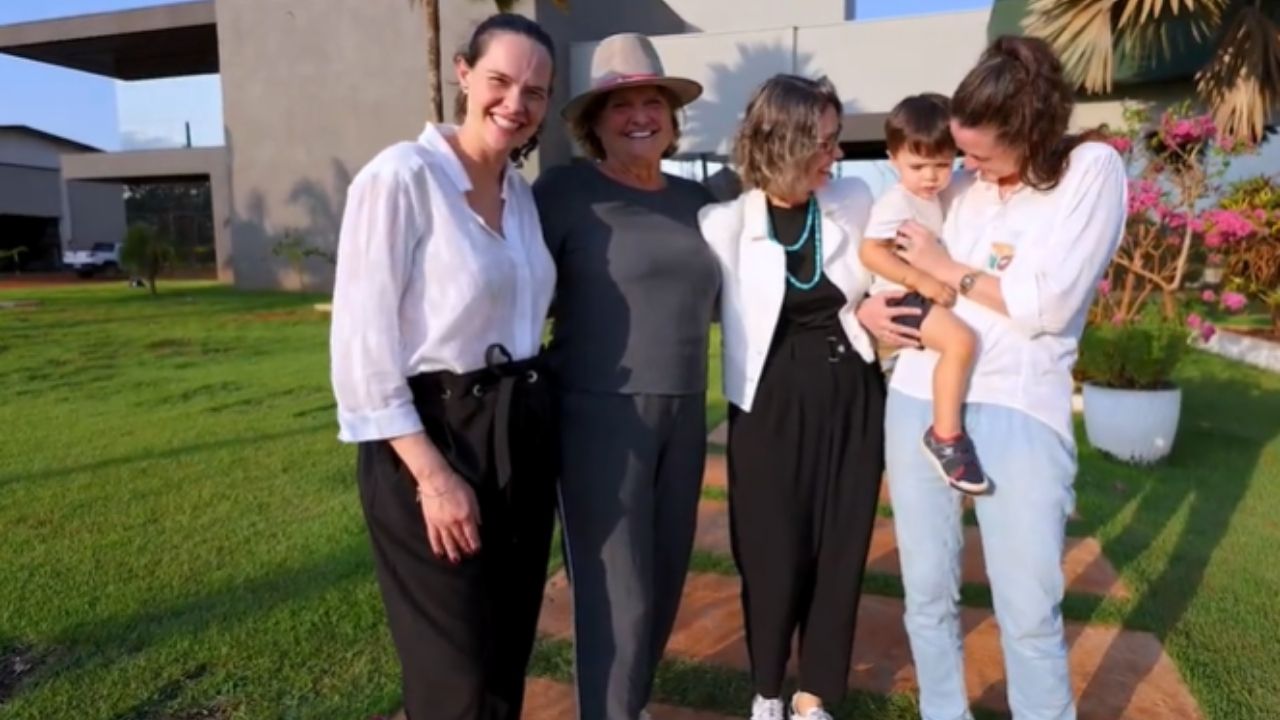
Inez arrived in Mato Grosso while still young, in the 1970s, accompanying her husband. According to Aprosoja MT, the couple initially went to Sorriso, where part of the family had already started forming a rural property.
-
Goiás Couple Boosts Artisan Cheese Production from 25 to 70 Kilos Daily with Technical Support, Transforming Family Life in Rural Brazil

-
13-Year-Old Discovers Ancient Roman Ring Near Mount Carmel, Now Set for Display in Jerusalem
-
São Paulo Recycling Campaign Collects 16.1 Tons of Used Cooking Oil, Distributes Over 19,000 Biodegradable Soap Bars to Families

-
Nepalese Farmers Use Cable-Linked Carts to Transport Tomatoes Across Mountainous Terrain



After a change in family direction, she returned to Rio Grande do Sul with her young children. The permanent return to Mato Grosso happened in 2002, when she decided to take over part of the family property, resulting from a family partnership, with her son João Luiz already an adult.
Property had 300 open hectares
When she returned, Inez found an area with 300 open hectares. The property was still in the productive structuring phase and would be gradually organized over the years by the family.
This data is important to gauge the starting point of the property. The rural producer’s journey begins in an already open area, which started gaining structure, machinery, and new investments with the continuation of family work.
Field required family organization
The consolidation of the property does not appear in the source as the result of an isolated action. Aprosoja MT highlights work, family unity, and continuity as central elements of Inez’s journey in the field.
Over the years, the property grew, and the family remained involved in the activity. The expansion of the agricultural area was described as a gradual process, done with organization, participation of the children, and support within the family itself.
First productive structure came gradually
The source reports that, initially, the property did not yet have enough machines to expand the work structure. The first tractor, according to Inez’s recollection recorded by Aprosoja MT, came through her brother, who bought and delivered the equipment to the family.
This type of detail shows how the productive base was formed in stages. Before a consolidated property, there was a period of setting up the structure, acquiring machinery, and adapting to the local reality of the Mato Grosso field.
Mato Grosso agriculture grew along with producer families
Inez’s story also connects with the transformation of Mato Grosso into one of the main agricultural hubs in the country. The source does not present general economic data but places the trajectory within a state marked by the expansion of rural production.
In this context, the rural producer from Tapurah represents a generation that participated in the construction of family properties in areas that underwent opening, productive organization, and growth over time.
Family support gained strength in 2013


The publication states that in 2013, the arrival of more family support strengthened the work on the property. This moment allowed for new investments and contributed to the expansion of agricultural activity.
The presence of the family is one of the central points of the Aprosoja MT text. Inez is presented as a mother and grandmother of seven grandchildren, with children close and involved in the property’s routine, reinforcing the idea of family continuity in the field.
Property became a legacy for new generations
Inez’s journey is not limited to agricultural production. The source highlights that she built not only a rural property but also a family legacy connected to the land and future generations.
This family dimension is relevant because agriculture, in many municipalities of Mato Grosso, involves succession, the permanence of children, the participation of grandchildren, and shared decisions. The property ceases to be just a productive area and starts to represent continuity.
Aprosoja MT appears as a representative entity
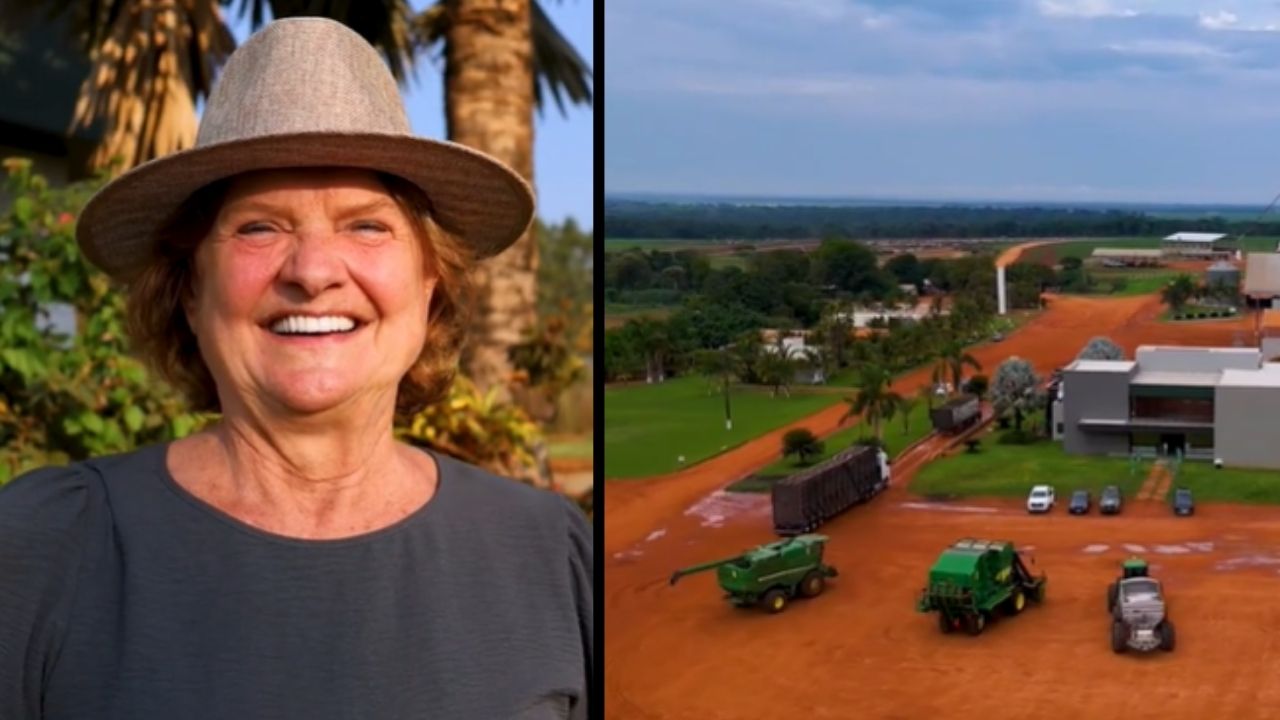
In the publication, Inez also comments on the role of Aprosoja Mato Grosso in representing rural producers. For her, the association is important in defending producers and strengthening agricultural activity in the state.
The entity is cited as a source of the report and as an institution mentioned by the producer herself. This point connects the individual story to the debate on representation, institutional support, and the organization of the productive sector in Mato Grosso.
Tapurah is the center of the journey
Tapurah, the municipality where Inez built her story in the field, is the main setting of the article. The city is located in the northern region of Mato Grosso and is part of an area with a strong agricultural presence in the state.
By locating the story in Tapurah, the article gains territorial context. The journey of the rural producer does not happen abstractly: it is connected to a property, a family, and a region marked by agricultural production.
Open area does not mean ready property
The data of the 300 open hectares helps to avoid a simplified reading. Having available land does not mean having the entire agricultural operation structured from the start.
Therefore, the consolidation of the property needs to be understood as a process. The rural producer started with an already open area and, over time, expanded the productive structure, integrated more family members, and strengthened agricultural activity.
Work in the field was built in stages
The publication by Aprosoja MT shows that the evolution of the property happened over the years. There is no detailed timeline of each investment in the source, but there is a clear indication of area growth and strengthening of the family structure.
This type of trajectory is common in family agribusiness: the property is organized in phases, adjusts the operation, incorporates machinery, expands the area, and relies on long-term decisions to remain productive.
History prioritizes agricultural expansion and family organization
Inez’s trajectory involves implementation stages, but the journalistic focus remains on the construction of the property, the expansion of agricultural activity, and the role of the family. The most appropriate editorial reading prioritizes productive structure, continuity, and family succession.
In this way, the agenda gains strength without relying on an emotional narrative. What draws attention is the transformation of an initial area into a consolidated family property in Tapurah.
Woman in the field and family management
Inez’s presence as a rural producer also highlights the role of women in the management and continuity of agricultural properties. The source presents a farmer who took on responsibilities in the field and remained connected to the construction of the family heritage.
This perspective is important for the agro debate. Women are involved in decision-making, family organization, production monitoring, and property representation, even when this presence does not always appear with the same public visibility.
Rural property as a symbol of permanence
Inez’s journey shows a relationship of permanence with Mato Grosso. After comings and goings, she consolidated her life in the state, accompanied the property’s evolution, and saw the family remain connected to the field.
In this case, the rural property functions as a meeting point between production, family, and memory. The value of the story lies in the continuity of a project that spans generations and reinforces the family’s presence in Mato Grosso’s agribusiness.
A trajectory of family agribusiness in Mato Grosso
A story of Inez Catelan Lazarotto, published by Aprosoja MT, shows how a rural producer from Tapurah participated in the consolidation of a family property starting from an area of 300 hectares opened, which was expanded with family organization and new investments over the years.
More than an individual narrative, the case raises a question about the future of the countryside: how to ensure that family properties continue to grow, innovate, and keep new generations interested in agriculture? Leave your opinion in the comments.