Portuguese
  Spanish





The vivo X300 Ultra combines a dual 200 MP camera, a 6,600 mAh battery, and a 144 Hz display to compete at the top among the most powerful smartphones.
In 2026, the Chinese manufacturer vivo put the vivo X300 Ultra on the global radar, its new flagship aimed at the premium segment. Presented by the company at MWC 2026 and later officially launched in China, the model arrived surrounded by attention for heavily investing in imaging, with a ZEISS camera system and 200 MP sensors at focal lengths of 35 mm and 85 mm. The device stands out for combining a clear focus on photography and video with top-notch hardware. Among the highlights mentioned by international reviews and the brand itself are the 144 Hz OLED display, the 6,600 mAh battery, and a photographic set designed to compete among the most ambitious smartphones of 2026.
This setup places the X300 Ultra at the center of the new generation of smartphones that seek to replace dedicated equipment, such as cameras and even some professional devices.
Dual 200 MP camera places the model among the most advanced in the world
The most evident highlight of the device is its photographic system. The model features:
-
Scientists Convert Food Waste into Aviation Fuel, Successfully Test 50% Blend with Conventional Kerosene to Cut Emissions and Promote Sustainable Flights

-
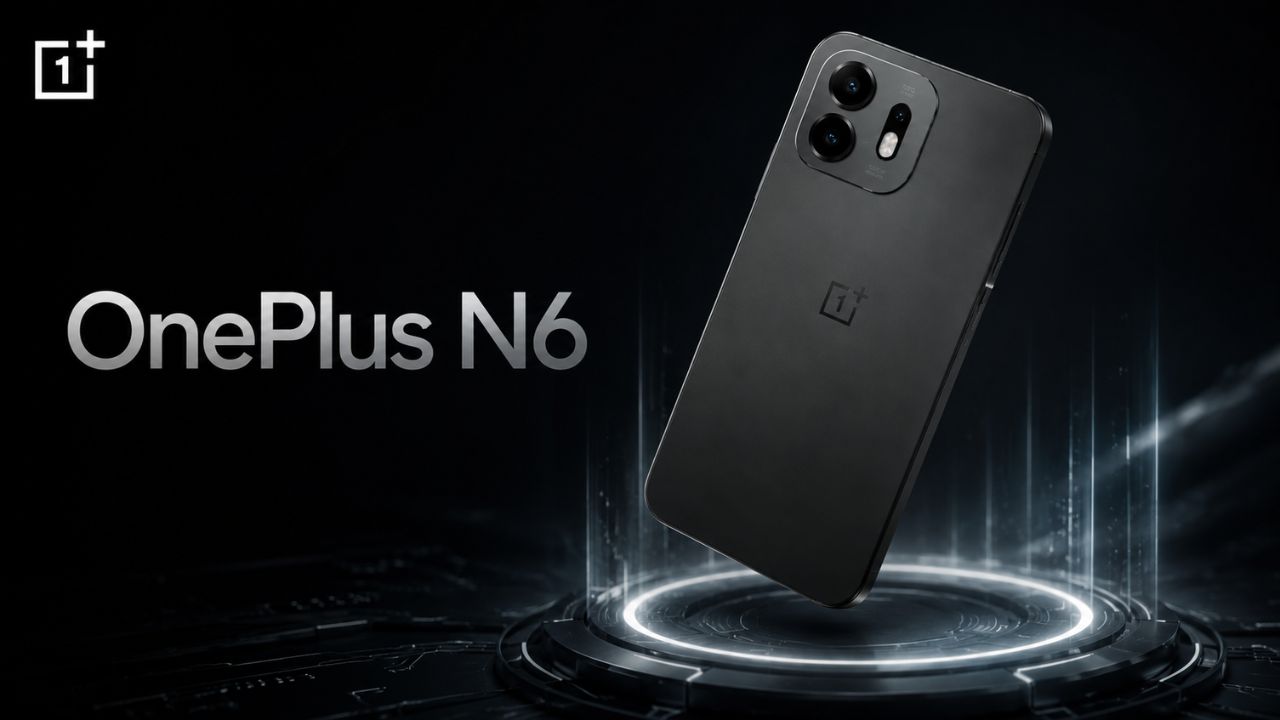
OnePlus N6 Smartphone to Launch in India with 8,000mAh Battery and 45W SuperVOOC Charging, Lasting Up to Three Days
-
Scientists Plan to Release Air Bubbles Underwater to Protect Antarctica’s “Doomsday Glacier” from Melting

-
Chinese R6000 Drone Combines Airplane and Helicopter Features, Carries Up to 12 People for Multiple Missions


- main sensor of 200 megapixels
- telephoto lens also with 200 megapixels
This type of configuration represents a significant advancement in image capture capability, allowing for:
- greater detail
- better zoom performance
- greater flexibility in cropping and post-processing


The presence of two sensors with this resolution is uncommon in the market, positioning the device among the most advanced ever presented in this aspect.
6,600 mAh battery exceeds the standard of the premium category
Another highlight is the battery of 6,600 mAh, a capacity higher than the average of flagship smartphones, which typically range between 4,500 and 5,500 mAh.
This increase in capacity has a direct impact on:
- extended battery life
- intensive use without the need for frequent recharging
- better support for heavy tasks, such as video recording and gaming
On high-performance devices with advanced screens, battery life is often a challenge, making this number particularly relevant.
144 Hz screen emphasizes focus on fluidity and visual experience
The vivo X300 Ultra also bets on a screen with a refresh rate of 144 Hz, above the 120 Hz standard adopted by most competitors. This feature provides greater fluidity in animations, better response in games, and smoother navigation.

Although the difference between 120 Hz and 144 Hz is subtle in common use, it can be perceived in more demanding applications, especially among gamers.
The model is equipped with a next-generation high-performance chipset, positioned among the most advanced available in the market in 2026.
This type of processor is designed to:
- run multiple tasks simultaneously
- support embedded artificial intelligence
- offer high graphical performance
The combination with high-level memory and storage allows the device to handle heavy applications without performance loss.
Technical set positions model as a direct competitor to global flagships
With these specifications, the vivo X300 Ultra enters direct competition with devices from manufacturers such as:
- Samsung
- Apple
- Xiaomi
The competition occurs mainly on three fronts:
- photography
- performance
- battery life
This move reinforces the growing competitiveness of Chinese manufacturers in the global premium segment.
Vivo’s strategy follows the technological advancement of the Chinese market
The launch of the X300 Ultra is part of a broader movement in the Chinese industry, which has been expanding its presence in cutting-edge technology. In recent years, companies in the country have heavily invested in advanced image sensors, higher capacity batteries, and the integration of artificial intelligence.
This advancement has allowed these brands to compete with traditional manufacturers in international markets.
With high-resolution sensors and advanced processing capabilities, smartphones like the X300 Ultra are beginning to take on roles previously exclusive to specialized equipment.

This includes:
- high-quality photography
- advanced video recording
- content editing directly on the device
This convergence is one of the main trends in the mobile sector, driven by the evolution of hardware.
Device expands debate on physical limits of current smartphones
The increase in resolution, battery, and performance raises an important question: how far can smartphones evolve within the current limits of size and energy consumption?
With each new generation, devices approach physical limits related to:
- heat dissipation
- energy density
- ergonomics
The X300 Ultra represents an advanced point in this process, bringing together multiple extremes in a single device.
With 200 MP cameras, increasingly larger batteries, and advanced processors, smartphones are reaching performance levels that just a few years ago seemed unfeasible.
In light of this scenario, a central question arises for the sector: what will be the next limits to be surpassed in the evolution of mobile devices, and what technologies can still redefine what is understood as a cutting-edge smartphone?