Portuguese
  Spanish


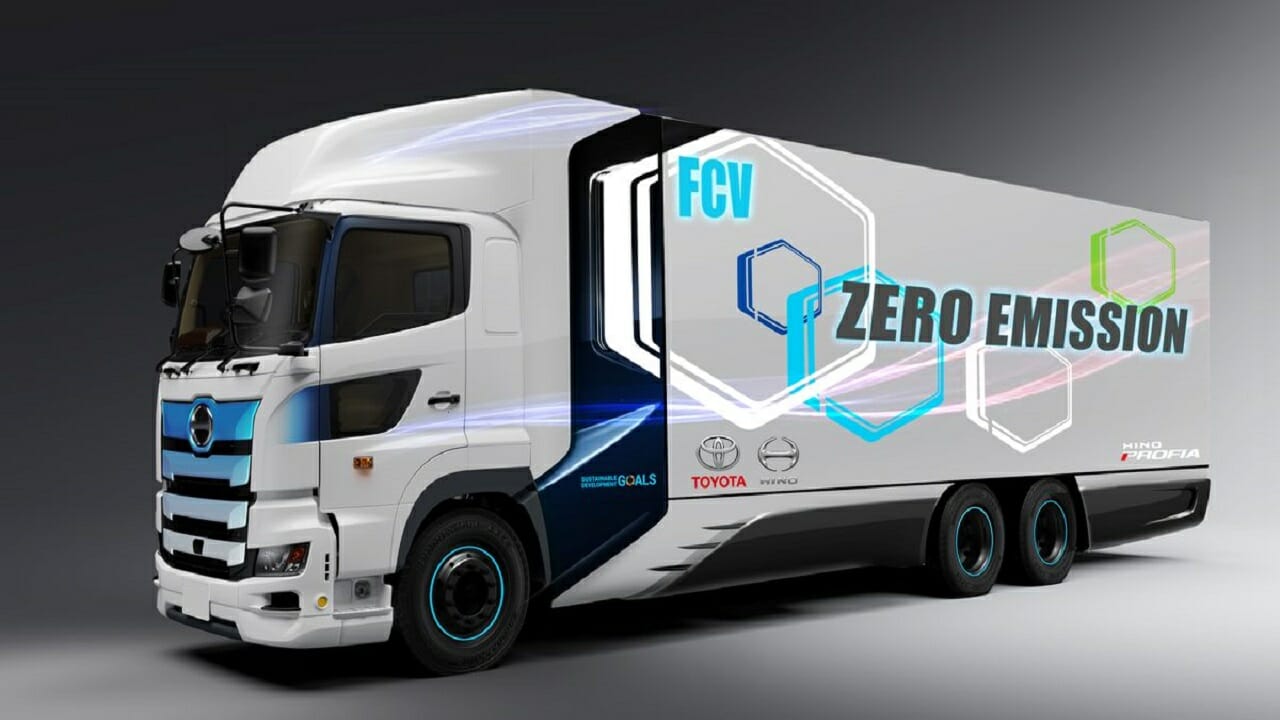

Toyota Starts Testing Its First Hydrogen-Powered Truck. The Hydrogen Truck Must Undergo 5 Years of Testing Before Finally Hitting the Market.
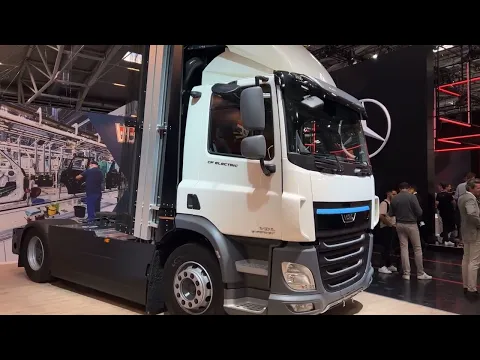
The first hydrogen-powered truck from VDL Groep is already completed and will begin its testing phase. The model features a fuel cell from Toyota. The initiative is the result of a partnership between the companies aiming to develop 4 hydrogen electric trucks. They will be used by VOS Transport Group, Yusen, and CEVA Group CAT, all suppliers of Toyota. In this way, the companies will contribute to the project by using the trucks on their routes.
New Hydrogen Truck from Toyota Will Be a “Laboratory”
The vehicles will travel to various locations in Europe, such as Antwerp, Belgium, Lille, France, and Cologne, Germany. Additionally, the Netherlands is also included in the list. According to the companies, the routes will have at least one refueling station, along with backup solutions.
Nonetheless, the first hydrogen-powered truck for road testing will be a laboratory. It will allow Toyota to evaluate the solution and thus promote improvements in the next stages.
-
General Motors Replaces Over a Thousand Workers with 50 Cobots at Electric Vehicle Plant, UAW Union Criticizes Move Amid Industry’s Automation Push

-
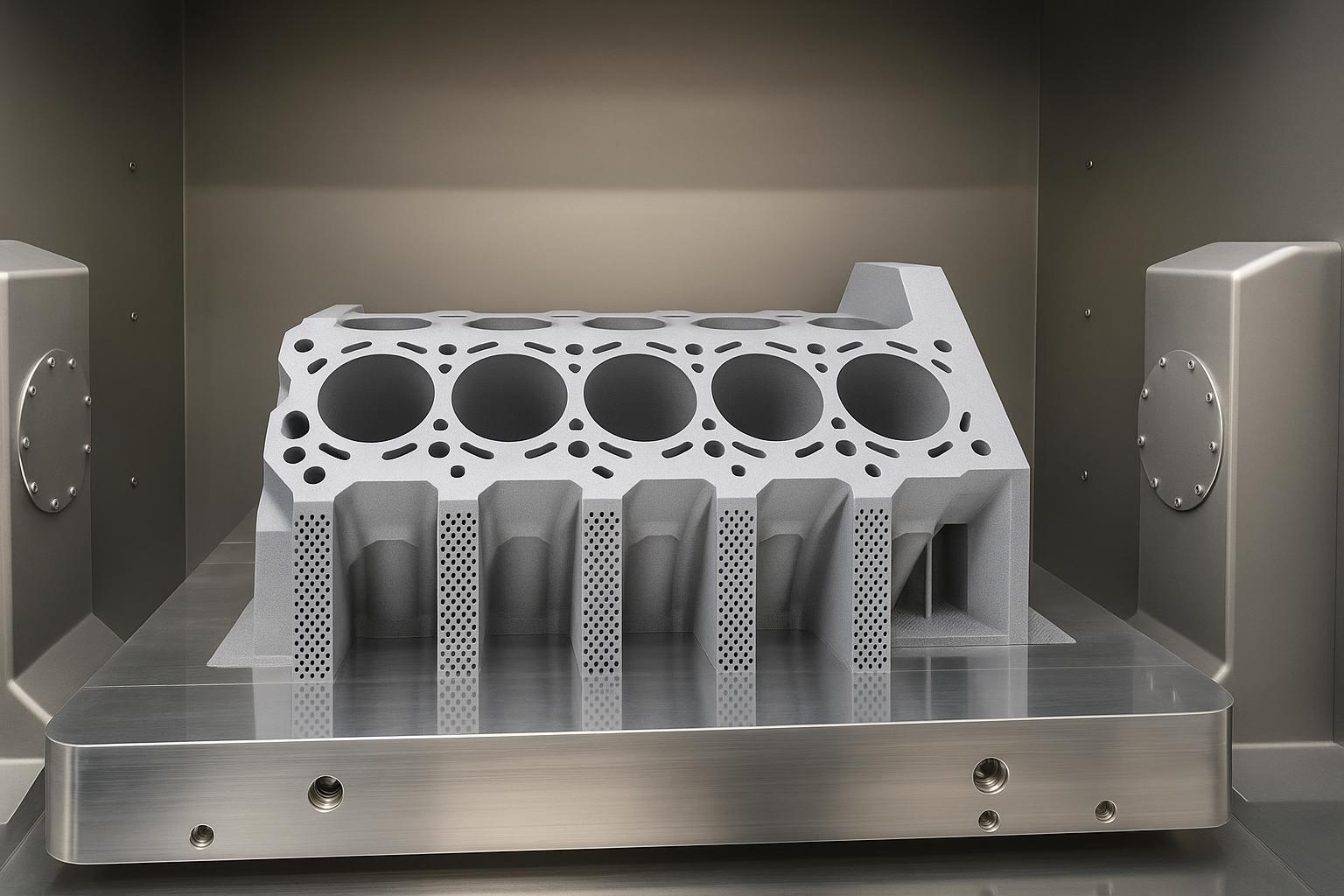
Bosch and Nikon 3D Print Entire Aluminum V8 Engine Block, Sparking New Competition in the Automotive Industry

-
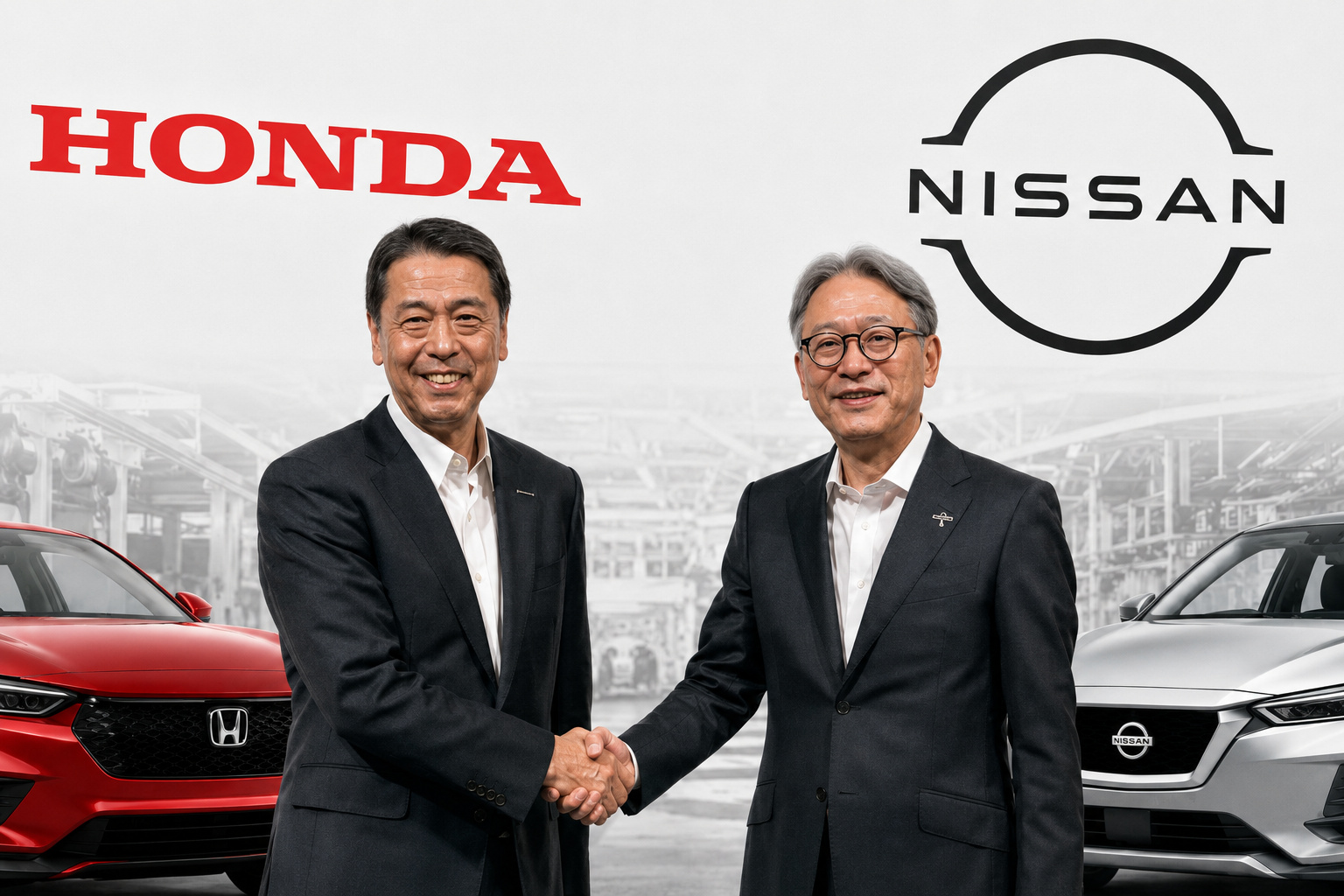
Honda and Nissan Form Alliance to Tackle Competition from Chinese Automakers After $9 Billion Loss
-
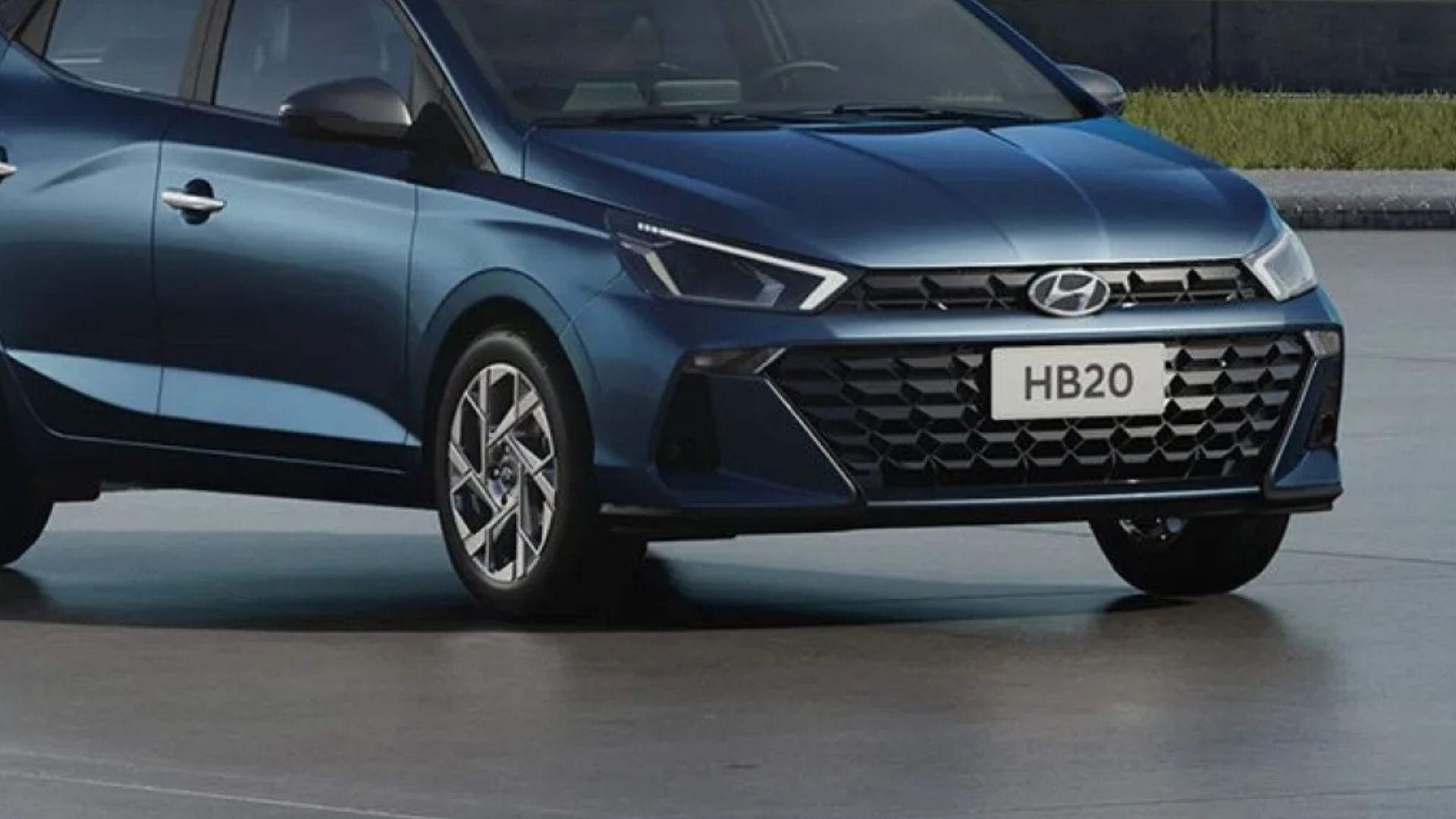
Hyundai Phases Out Powerful Engine in HB20, Reduces Turbo Version in Strategic Shift Affecting Creta and HB20S, Potentially Impacting Car Prices in Brazil.


According to the companies, the cooperation will strengthen knowledge on how to deploy hydrogen fuel cell trucks, especially on public roads, as well as contribute to Europe’s energy transition towards decarbonization.
Finally, it is estimated that the hydrogen truck will be tested for five years; thus, the commercial launch is expected to occur by the end of this decade. In any case, the experiment should foster the advancement of a sustainable hydrogen infrastructure throughout Europe. This is something that currently still seems far from reality, even in developed countries.
Mercedes-Benz Achieves 1,000 Km Range with Its Hydrogen Truck
A hydrogen-powered prototype truck from Mercedes-Benz, approved for traffic on public roads, traveled a distance of 1,047 km on roads in Germany. The GenH2 truck, powered by a fuel cell system, features a liquid hydrogen tank.
For this validation, the hydrogen truck left the Mercedes-Benz Trucks Customer Service Center in Worth am Rhein, heading to Berlin, the capital of Germany. The journey took place in one day.
The hydrogen truck operated with a total gross weight of 40 tons and under real conditions. Thus, it completed the trip without emitting CO2. To achieve this, the operation was inspected and certified by TÜV Rheinland, the German certification body for vehicles and technologies.
According to Andreas Gorbach, a member of the board of directors of Daimler Truck AG and Head of Truck Technology, to decarbonize transport, it is necessary to have hydrogen traction technologies and electric batteries.
Hydrogen Will Not Be the Only Means for Trucks and Buses
Hydrogen is still a distant reality for Brazil, which should continue in the coming years searching for other sustainable fuels for heavy vehicles. With that in mind, teenagers from Paraná developed a project that transformed traditional cooking oil into biodiesel.
The group of students is from the Estadual Conselheiro Carrão school, a public full-time high school in Assaí (PR). Through the project, a bus ran for nearly 7 days without needing to be refueled.
The project is led by Eduarda Priscila Miura (17), Luiza Alves de Souza (17), Leticia Ayumi Tazima Sato (17), Eduarda Pietra Santos Paixão (16), and Fabiane Hikari Kikuti, who is also 16. The chemistry teacher and project advisor, Matheus Rossi, states that the main objective of the project, called BIOSUN, is to organize the production of biofuel composed of cooking oil within the school.