Portuguese
  Spanish


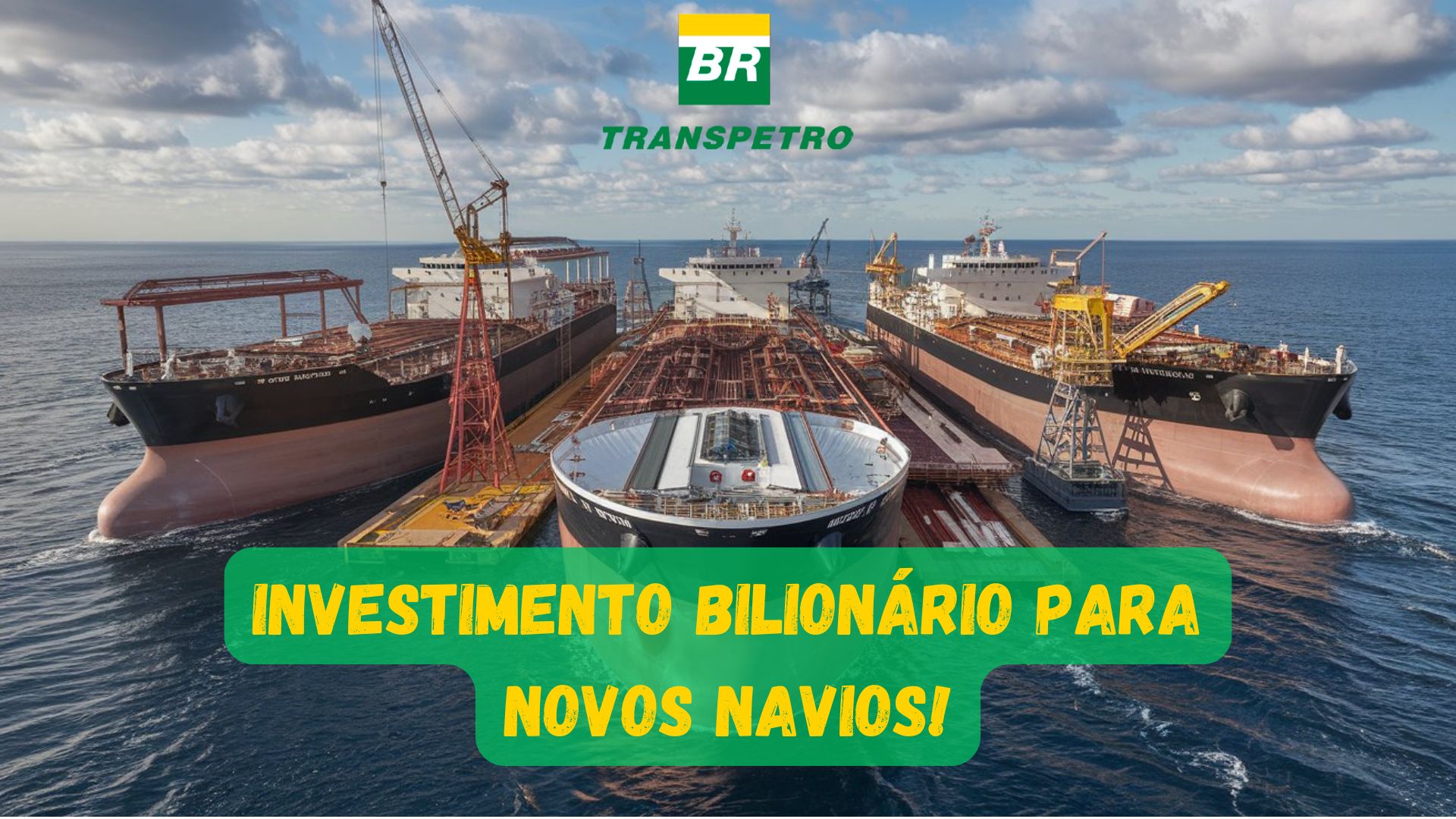

Check Out The Exclusive Details About Transpetro’s Major Investment In Four New Oil Tankers, The Positive Impacts For The Brazilian Economy, The Environmental Benefits, And The Strategic Relevance Of This Milestone For The Naval Sector.
Transpetro, a subsidiary of Petrobras, has just taken a strategic and ambitious step to strengthen the national logistics for transporting oil derivatives. Therefore, the company confirmed the hiring of the consortium formed by the Brazilian giants Ecovix and Mac Laren for the construction of four Handy-class oil tankers. Moreover, this measure, which is already generating positive expectations, marks the revival of the Brazilian naval sector after a decade of stagnation. Furthermore, the initiative highlights Transpetro’s commitment to innovation and efficiency.
Why Is This A Historic Milestone?
This contract, valued at an impressive US$ 278 million, signals not only a rebound for the industry but also Transpetro’s commitment to job creation and the appreciation of local production. Additionally, each vessel, designed to transport refined products along the Brazilian coast, will have a capacity between 15,000 and 18,000 deadweight tons (DWT). In this way, the impact will be significant as it contributes to the modernization of maritime infrastructure. Thus, this milestone reinforces Brazil’s relevance in the global sector.
Contract Details: Values, Deadlines, And More
- Total Investment: US$ 278 million;
- Price Per Ship: Approximately US$ 69.5 million;
- Involved Companies: Ecovix (hull construction) and Mac Laren (finalization of the vessels);
- Shipyard Locations: Rio Grande do Sul and Rio de Janeiro;
- Delivery Deadline: By 2029.
Therefore, this project reflects a strategic partnership between large companies and aims to boost the local market. In addition, the initiative reinforces Brazil’s ability to compete in the global arena. Furthermore, by strengthening cooperation between sectors, it promotes a more integrated value chain.
-
North Korean Fiasco: Launch of the Largest Warship Ends in Sinking

-
While giant ships still burn heavy fuel and the maritime sector races against climate targets, Maersk and Vale are starting to bet on ethanol as a new route to reduce emissions at sea.

-
China begins construction of the world’s largest LNG ship, a 344-meter giant capable of supplying 4.7 million homes for a month, carrying 271,000 m³ of gas, and placing QatarEnergy in the largest naval order ever recorded in world history.
-
China is designing a container ship with a thorium nuclear reactor that will operate for 40 years without refueling, and the 25,000-container giant from Jiangnan Shipyard will cross oceans without emitting carbon in an industry that burns 300 million tons of fuel per year.



Transpetro TP 25: The Future Of The National Fleet
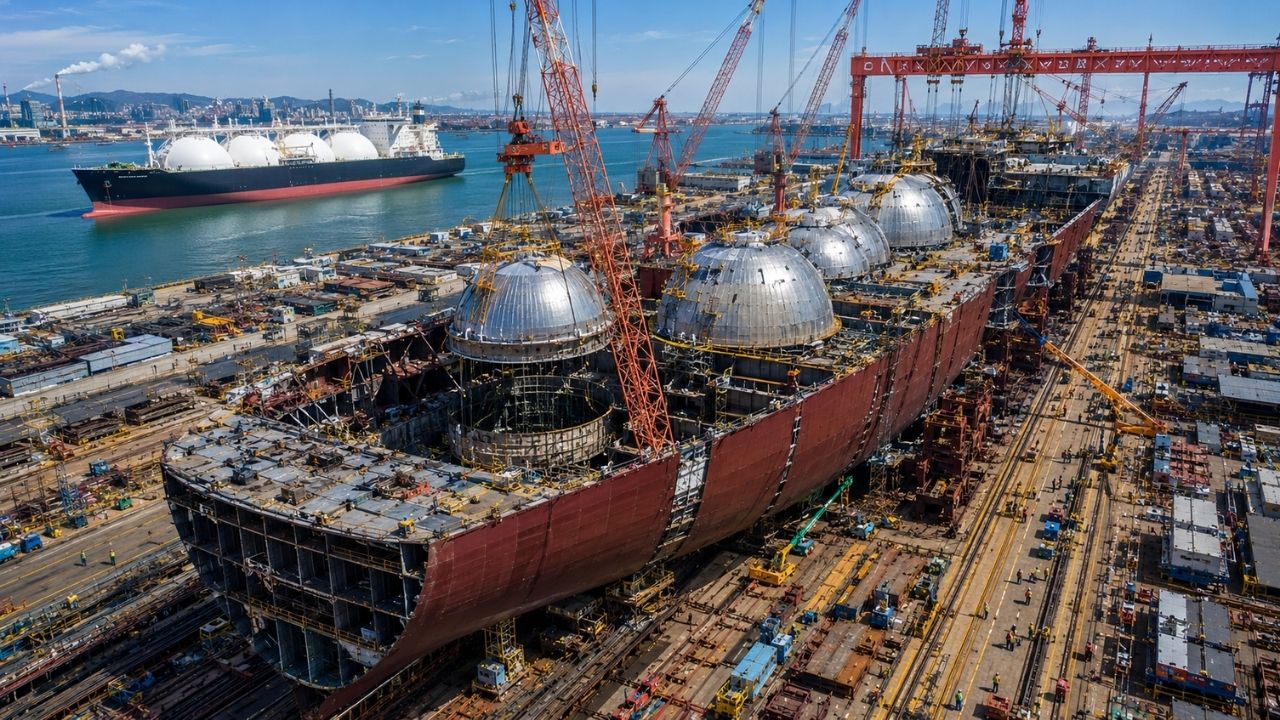
This contract is part of the ambitious Transpetro TP 25 plan, which foresees the acquisition of 25 new vessels by 2029. Therefore, according to the company, 16 of these ships are already confirmed for the period between 2025 and 2029, including bids for gas carriers. With this, this initiative reflects a robust planning that seeks both to expand the fleet and consolidate Brazil as a relevant player in the global maritime transport scenario. Thus, the future of national logistics is promising as the country positions itself to meet the growing demands of the sector. Additionally, this strategic approach ensures greater operational efficiency.
Direct Benefits For The National Economy
- Job Creation: The resumption of shipbuilding creates thousands of direct and indirect opportunities;
- Strengthening Local Industry: Encourages competitiveness among Brazilian shipyards;
- Sustainability: Reduction of costs and emissions in transport logistics.
Consequently, this initiative’s positive impact goes far beyond the naval sector. Moreover, it promotes regional development and economic sustainability. Additionally, it reinforces Brazil’s role as a leader in innovation in the maritime sector.
Why Choose The Handy Class?
Handy ships are distinguished by their versatility, making them ideal for transporting refined products in ports with draft restrictions. Thus, this choice is strategic as it aligns with the need to optimize transport and increase logistical efficiency in the country. In addition, operating costs will be reduced while logistical flexibility will be enhanced. Furthermore, this class of ships meets the specific demands of the national market.
The Environmental Impact And Sustainability
It is important to emphasize that these vessels will be designed to meet the most rigorous international environmental standards. Furthermore, local production reduces the carbon footprint associated with importing ships. Therefore, this is a highlight of the project. In this way, Transpetro reaffirms its commitment to sustainable practices. Additionally, initiatives like this contribute to mitigating environmental impacts while strengthening Brazil’s reputation on the international stage.
Leadership Statements
Transpetro’s president, Sérgio Bacci, emphasized:
“This is a milestone for the Brazilian naval industry. We are not only resuming the construction of vessels in the country, but we are also reaffirming our commitment to generating economic and social value.”
Therefore, the leadership statements reflect the impact and relevance of this project. Furthermore, they demonstrate alignment with Petrobras’s strategic objectives. Additionally, they highlight Transpetro’s central role in promoting sustainable development.
Transpetro’s investment signals a promising future for the Brazilian naval sector. With a well-defined strategy committed to sustainability, the country reaffirms its protagonism in the oil and gas industry. Finally, it now remains to monitor the evolution of this project and the positive impacts that will certainly arise. Moreover, this initiative demonstrates Brazil’s capacity to innovate and lead in the international market. Additionally, it reinforces the commitment to excellence and social responsibility.