






 Portuguese
  Spanish
 3 min of reading
  0 comments


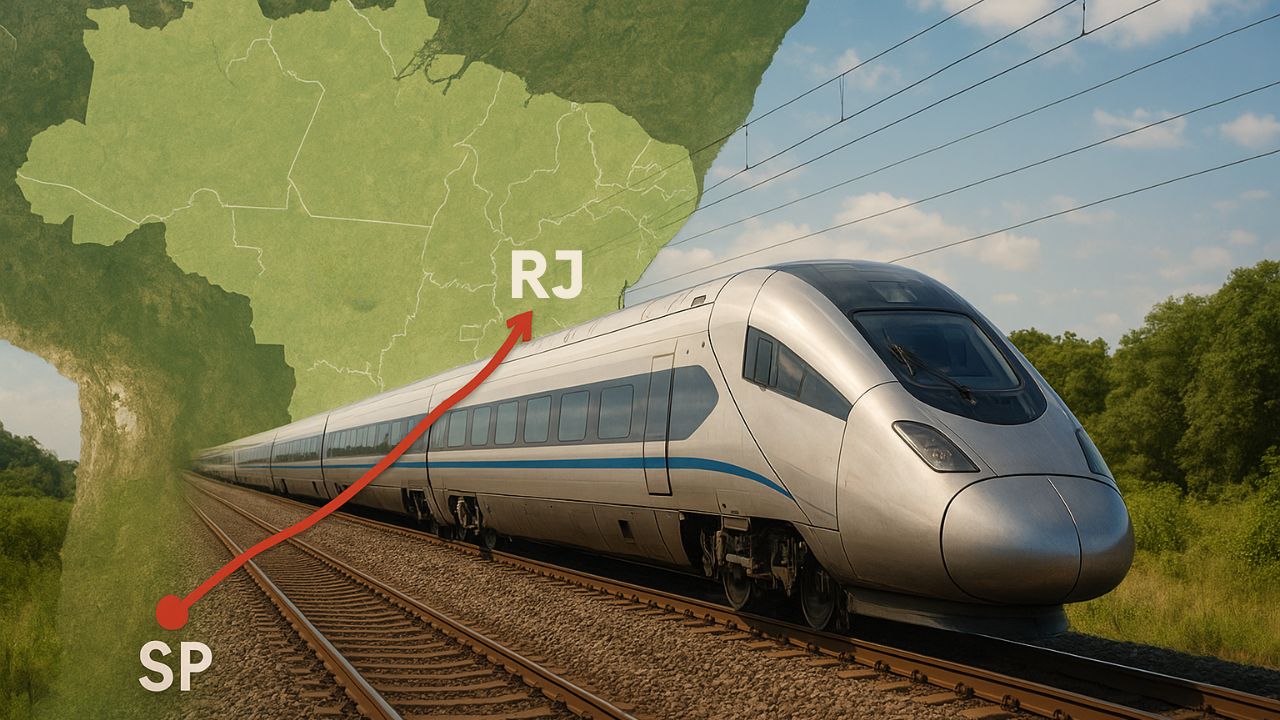
Know The Project Of The Fastest Train In South America, That Will Connect Rio And São Paulo In 1h30 And Should Serve 45 Thousand People Per Day With High-Speed Technology.
The Fastest Train In South America is getting closer to becoming a reality and promises to transport up to 45 thousand passengers per day between Rio de Janeiro and São Paulo in just 1h30 of travel. The initiative by TAV Brasil has been confirmed as one of the most ambitious mobility projects in the country, marking a new chapter in Brazilian railway history.
What Involves The Project Of The Fastest Train In South America
Designed to cover about 417 kilometers, the high-speed train will be the fastest on the continent, capable of directly competing with buses and planes.
According to experts, the possibility of completing the journey in about 90 minutes has great potential to replace part of the air travel between the two cities — currently one of the busiest routes in the world.
-
Retired trains leave European tracks and become tons of steel, aluminum, and copper in dismantling yards where recycling exceeds 90%, but batteries, composites, and electronics create a new frontier of railway waste.

-
The strategic railway of Santa Catarina will receive R$ 608 million, will undergo historic modernization, and could transform logistics between Mafra and the Port of São Francisco do Sul.
-
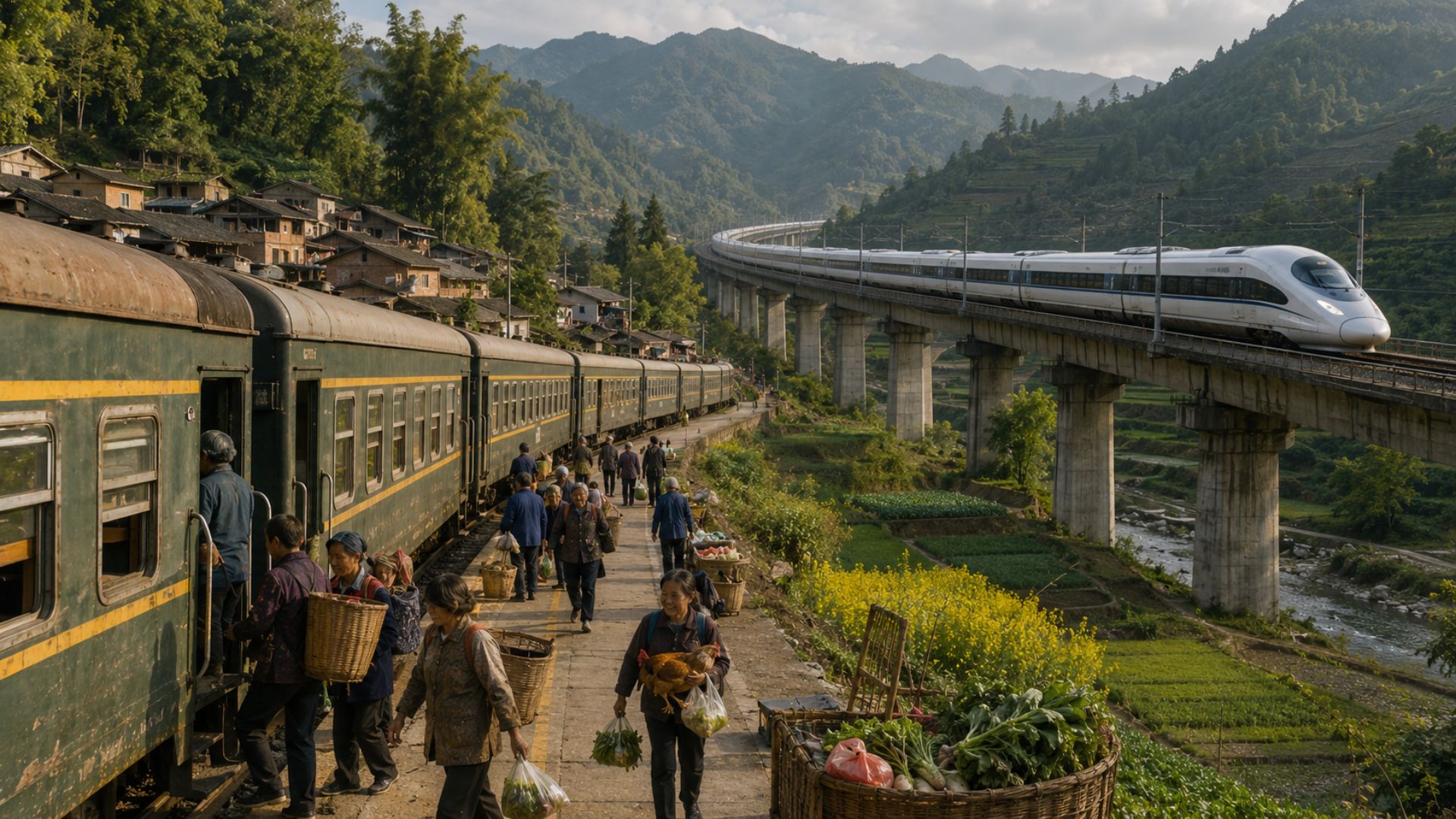
While showcasing bullet trains traveling at over 300 km/h, China maintains about 81 slow train lines that travel at 40 km/h, charge less than R$ 2 for a ticket, and cross remote villages carrying residents, students, and even chickens and vegetables to the market.

-
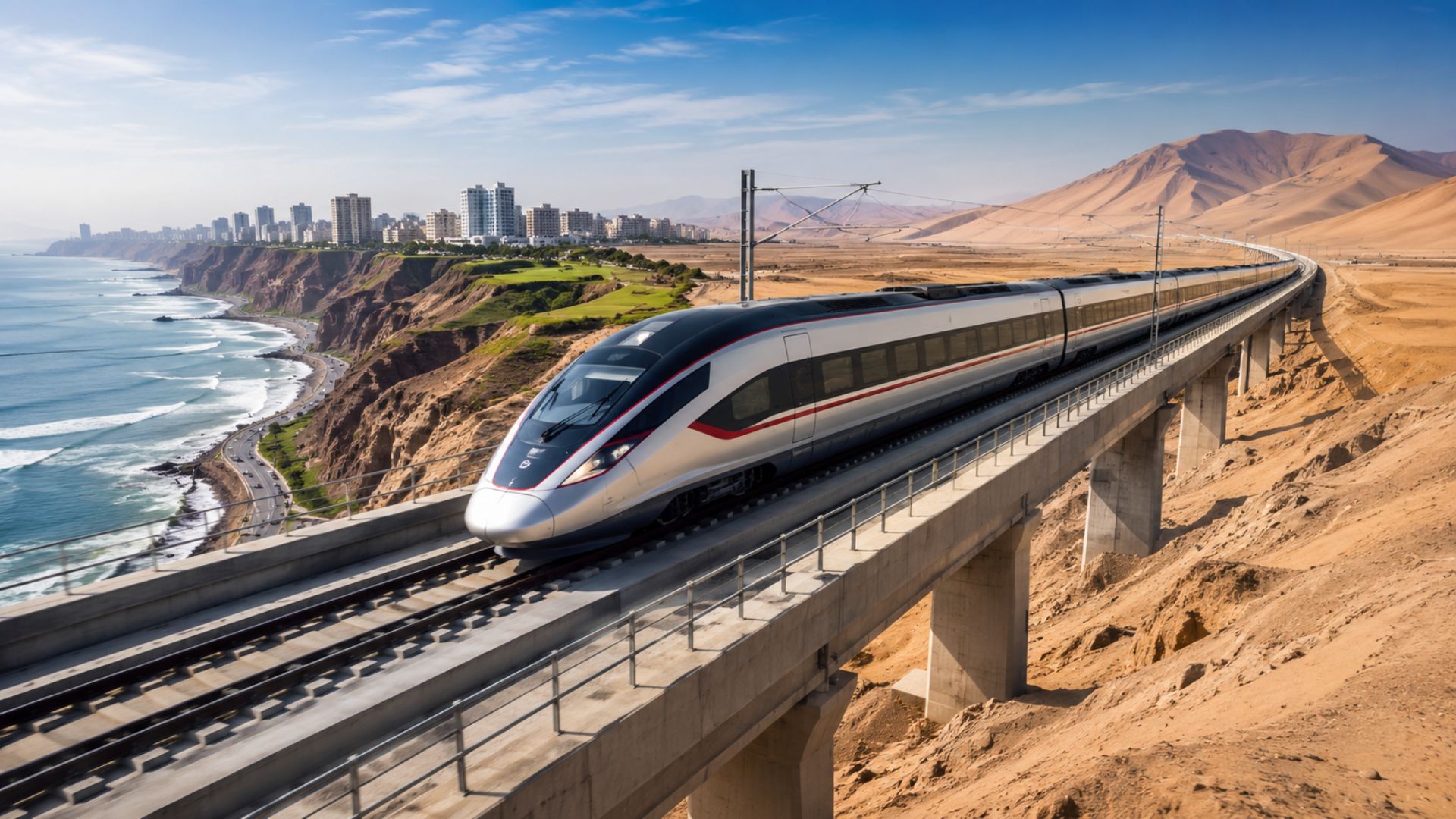
Peru plans to build, with Chinese technology and capital, what is intended to be the fastest train in South America, a high-speed line between Lima and Ica at up to 200 km/h, but the $6.5 billion project is only expected to be completed around 2032.


In addition to speed, the project also aims for greater safety, comfort, and schedule regularity, characteristics of the railway modal that have gained strength in several countries.
Environmental Licensing Delays The Schedule
Despite the progress, the project faces challenges. The CEO of TAV Brasil, Bernardo Figueiredo, states that the main reason for the delay was the slowness in environmental licensing conducted by Ibama.
According to him, the agency became overloaded amid other demands from the Growth Acceleration Program (PAC), which ended up delaying the release of fundamental technical stages for the start of the works.
This type of delay is common in large-scale projects, especially when it involves environmental impact assessments, preservation of sensitive areas, and integration with municipalities along the route.
Capacity For 30 Million Passengers Per Year
When fully operational, the Fastest Train In South America should transport about 30 million passengers per year, representing approximately 45 thousand people per day.
This volume positions the system as one of the largest high-speed railway projects in the region.
Another highlight is the integration of stations with metropolitan systems, such as subways and urban trains, facilitating local travel and expanding the reach of the service.
Billion-Dollar Investment And Competitive Fares
The project is estimated at R$ 60 billion, entirely private investment. The stations are being designed to offer modern infrastructure, comfort, and connection with other modalities.
TAV Brasil also projects fares between R$ 300 and R$ 500, seeking to compete directly with the prices of air and bus tickets.
The expectation is that the affordable cost will attract different user profiles — from frequent workers to occasional tourists.
Fastest Train In South America: A Dream Discussed For Over 35 Years
Although it is now closer to realization, the high-speed train between Rio and São Paulo is not a recent idea.
For over three decades, the country has been discussing proposals, studies, and operational models to make the project possible.
The authorization granted by the National Land Transport Agency (ANTT) for the section to be built and operated for up to 99 years represented a turning point, allowing the engineering and financial structuring stages to advance.
The Impact On Mobility
The implementation of the Fastest Train In South America will place Brazil in the regional lead in high-speed rail transport.
No other South American country has a system with speed and reach comparable to that planned by TAV Brasil.
In addition to reducing dependence on short domestic flights, the technology is expected to contribute to the reduction of carbon emissions and foster economic development along one of the most strategic corridors in the country.
Meanwhile, the final engineering phases continue to progress, as do negotiations with investors and the regulatory process.






-

-

-

6 people reacted to this.