





 Portuguese
  English
  Spanish
  3 min of reading
  0 comments


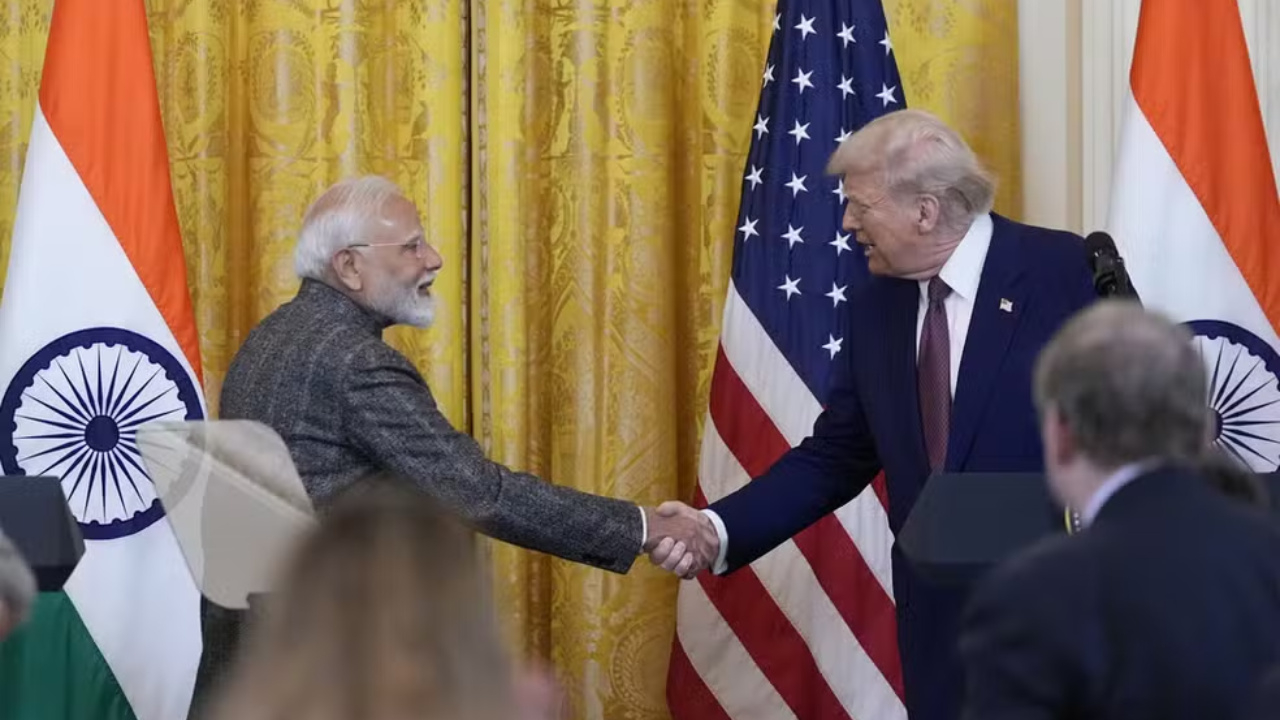
Donald Trump claimed that Indian Prime Minister Narendra Modi promised to gradually stop buying Russian oil. The Republican also wants to convince China to cut energy ties with Moscow.
During a press conference at the White House on Wednesday (15), the President of the United States, Donald Trump, stated that India will stop buying oil from Russia. The decision was reportedly communicated directly by Indian Prime Minister Narendra Modi, as part of an effort to reduce Moscow’s revenues following the invasion of Ukraine in 2022.
“Buying oil from Russia allows (the country) to continue its absurd war,” Trump said, criticizing the trade relationship between New Delhi and the government of Vladimir Putin.
The Republican highlighted that he received personal assurances from Modi that the reduction in imports will occur gradually, respecting India’s energy dependence.
-
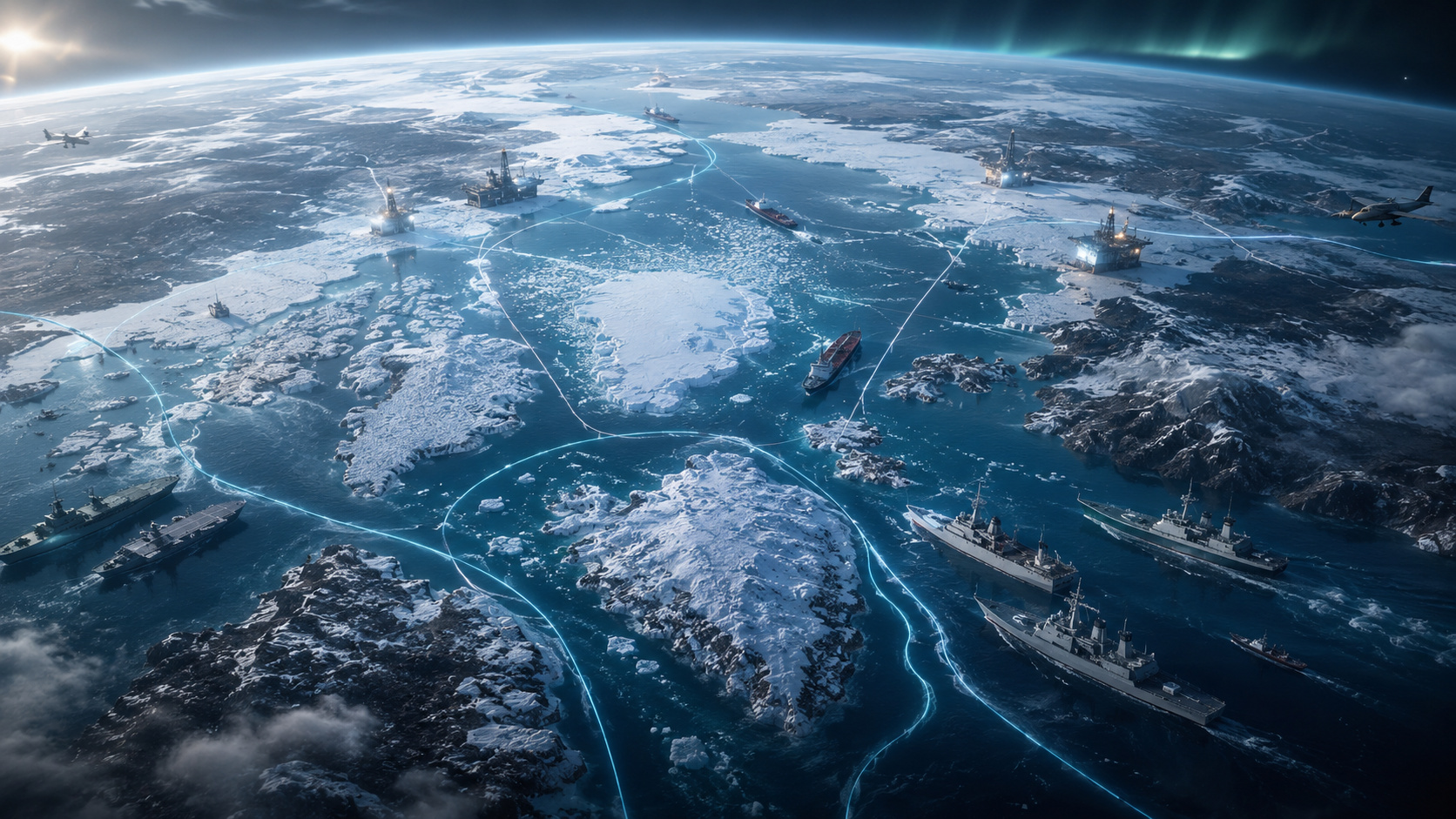
90 billion barrels of oil, 1.669 trillion cubic feet of natural gas, and 84% of probable reserves in offshore areas are under the Arctic, and the melting ice that opens maritime routes and exposes this energy treasure is turning the North Pole into a strategic dispute between the USA, Russia, China, and Canada for oil, gas, navigation, and military power.

-
IBS and CBS regulations change credit reimbursement and raise financial alert in the oil and gas industry

-
China puts into operation the largest shallow lithology offshore field in the country, with 79 wells, heavy oil, and a production of 20,000 barrels per day.

-
Petrobras announces an investment of R$ 2.8 billion in Amazonas to expand natural gas production in Urucu and modernize the river fleet, boosting energy, logistics, and the regional economy with new vessels adapted for operation in the Amazon.


India–Russia Relationship Under International Pressure
India and China are among the largest buyers of Russian crude oil, especially since the onset of sanctions imposed by the West. With the lower prices offered by Moscow, both countries have increased their purchases to ensure energy security amid global uncertainties.
However, Trump has sought to economically isolate Russia, pressuring allies and trade partners to suspend the provision of revenues to the Kremlin. The American leader stated that his “goal now is for China to do the same,” making it clear that Beijing is also in Washington’s sights.
“Now my goal is for China to do the same,” the president reiterated, signaling a new round of diplomatic and economic pressures on the Asian giant.
Change Could Redefine Global Geopolitical Balance
Experts assert that India’s decision to reduce purchases of Russian oil represents an important strategic shift in the international arena. In addition to directly affecting the finances of the Putin government, the move may encourage other importers to rethink their relationships with Moscow.
Historically, India justified its imports as a matter of national energy security, as Russia has consolidated itself as one of its main oil suppliers in recent years. However, the economic and diplomatic pressures from Washington appear to be taking effect.
According to energy analysts, a complete halt will still take time, but India’s commitment signals a realignment of forces in international relations, with possible impacts on the global price of oil.
Trump’s announcement comes just a few months after the Republican threatened New Delhi with tariffs of up to 50% on its exports, a measure similar to that applied to Brazil in July. This policy of economic sanctions and punitive tariffs has been one of the main tools of the American president to pressure countries to align with the strategic interests of the United States.
Trump had already made it clear that he did not agree with the economic rapprochement between India and Russia and that he would not hesitate to use trade instruments to force diplomatic changes. Modi’s decision, therefore, represents a political victory for the White House and reinforces the interventionist stance of the American government in the global energy landscape.






Be the first to react!