






 Portuguese
  Spanish


New artificial route between the Black Sea and the Sea of Marmara could reduce bottlenecks, reorganize trade flows, and strengthen Turkey’s strategic position
A logistics shift of great international impact has once again gained momentum in Turkey, attracting the attention of governments, maritime operators, and global trade analysts. The Istanbul Canal emerges as a strategic proposal to create an artificial waterway between the Black Sea and the Sea of Marmara, parallel to the Bosphorus Strait. The initiative gains relevance in a scenario marked by tensions in critical routes, such as the Strait of Hormuz, and the growing search for alternatives capable of reducing operational risks. This movement demonstrates that Turkey seeks to expand its influence over international maritime traffic, while also trying to relieve pressure on one of the world’s busiest natural passages.
Hormuz increases pressure on global logistics decisions
The Strait of Hormuz remains one of the most sensitive routes in international trade, mainly due to the significant volume of oil transported daily through the region. Any instability in this passage affects freight costs, marine insurance, and logistical predictability, directly impacting global supply chains. This scenario reinforces the need for route diversification and strengthens projects capable of offering greater operational security. Countries and companies in the maritime sector have begun to pay more attention to strategic alternatives, such as the Istanbul Canal, which could expand circulation capacity between regions fundamental to international trade.
Bosphorus has become a strategic logistics bottleneck
The Bosphorus serves as an essential natural passage for the flow of cargo between the Black Sea and the Mediterranean, concentrating intense traffic of commercial vessels and oil tankers. Its physical limitation, combined with international regulations, makes the operation complex and frequently congested. The Montreux Convention, in force since 1936, also limits possibilities for tariff control over the traditional passage. Consequently, long waiting times, risks of maritime accidents, urban pressure in Istanbul, and expansion difficulties have become part of the challenges faced by regional logistics. This set of factors helps explain why Turkey has begun to advocate for a route parallel to the Bosphorus.
-
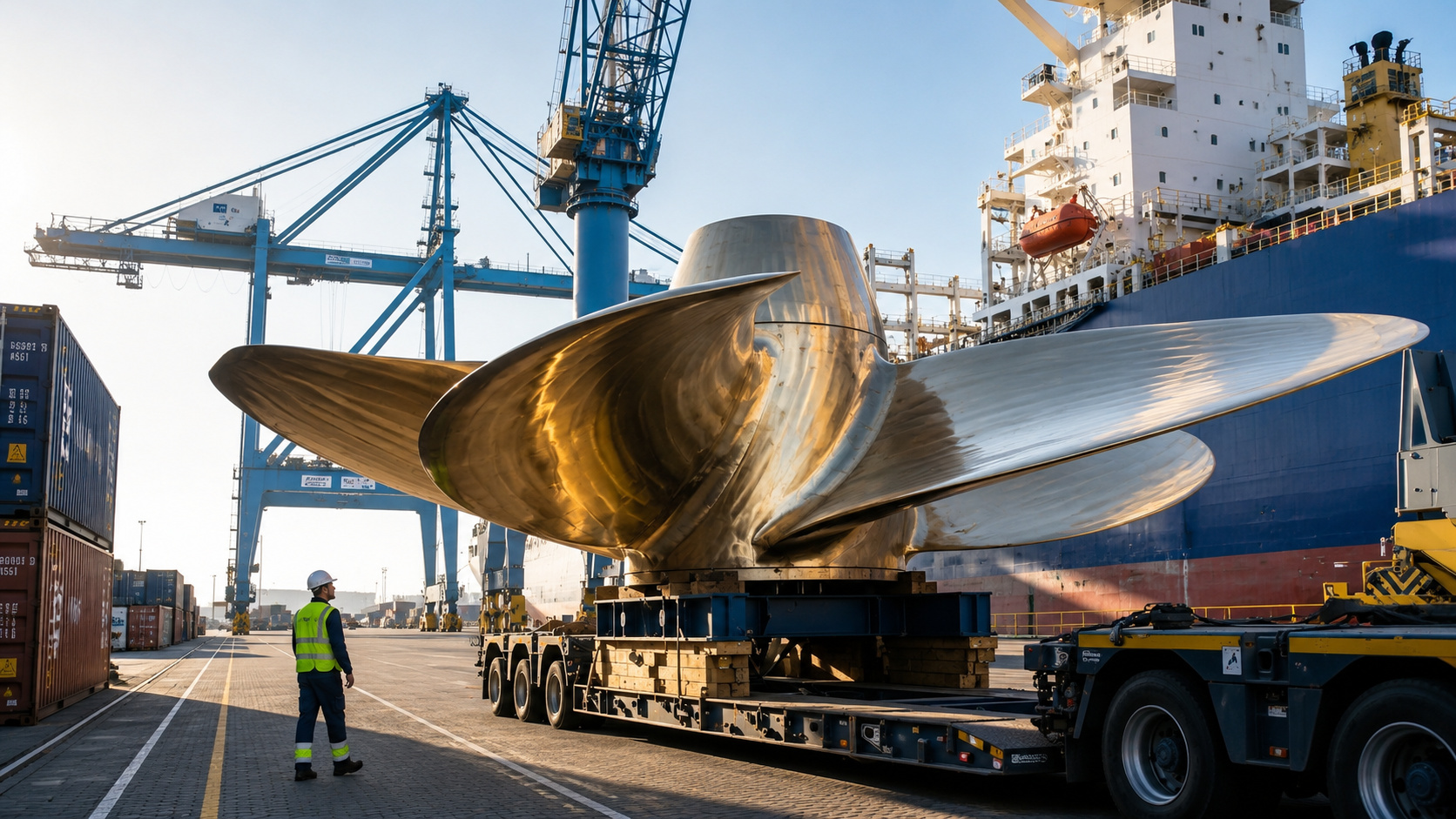
131-Ton Naval Propeller, Costing Up to $4 Million and Taking 4 Months to Manufacture, Powers the World’s Largest Cargo Ships Almost Invisibly

-
Brazil’s Maceió Port Joins Decarbonization Efforts with Study to Supply Clean Energy to Cruise Ships

-
Brazilian Port Expands Ship Capacity to 9.5 Meters, Boosting Cargo Transport and Reducing Logistics Costs
-
Three Chinese companies manufacture more than 96% of the world’s dry cargo containers and 100% of refrigerated ones, in a dominance built over 40 years that has made it almost impossible for the West to compete in this market.



Istanbul Canal could redefine maritime flow
The Istanbul Canal appears as an artificial alternative with the potential to transform the region’s logistics dynamics. By offering a route parallel to the Bosphorus, the project aims to increase flow capacity, reduce historical bottlenecks, and enhance the predictability of maritime operations. From an operational perspective, the new waterway could bring significant efficiency gains for global supply chains. The proposal could also generate greater economic control for Turkey, create a new direct revenue source, reduce pressure on the Bosphorus, and consolidate the country as a competitive logistics hub between Europe, Asia, and the Middle East.
Economic challenges still surround the project
Despite its strategic potential, the Istanbul Canal faces significant questions regarding its economic viability. The high construction cost and uncertainty about the adherence of shipping companies are decisive factors for the project’s success. Logistics operators tend to prioritize already established and free routes, such as the Bosphorus itself, which raises doubts about the canal’s ability to attract sufficient volume to justify the investment. This point keeps the debate open, especially since the financial return will depend on the maritime market’s acceptance and the new route’s competitiveness.
Turkey seeks to expand its role in maritime trade
The creation of a new navigable route in one of the world’s most strategic regions could directly impact the balance of international trade. Turkey seeks to strengthen its position as an essential intermediary between Europe, Asia, and the Middle East, while the world observes the vulnerability of critical passages like Hormuz. If successfully advanced, the Istanbul Canal could influence global logistics decisions, encourage route diversification, and reduce dependence on traditional bottlenecks.








