






 Portuguese
  Spanish
 2 min of reading
  0 comments


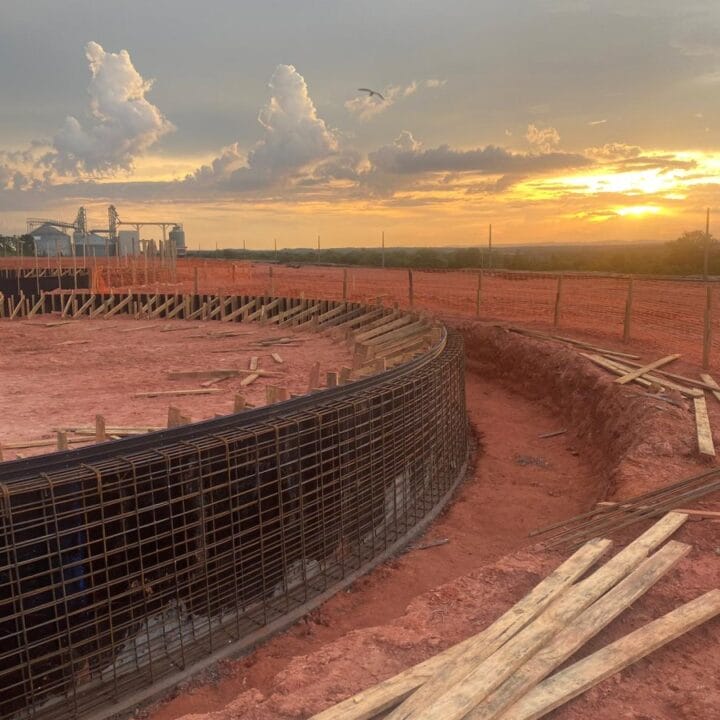
The Construction in Palmeirante Is a Strategic Step to Strengthen the Logistics of Fuels and Biofuels in Four States
Ultracargo, recognized as the largest independent liquid bulk storage operator in Brazil, has begun construction of an ambitious terminal in Palmeirante, Tocantins. This project, which started in January and is expected to be completed by September, represents a significant advancement in the company’s strategy to establish itself as a provider of integrated logistics solutions. The terminal will focus on the storage of fuels and biofuels, playing a crucial role in the supply of Maranhão, Tocantins, Pará, and Mato Grosso.
Innovation and Safety in Construction
The project includes the installation of 13 tanks, of which 12 will be dedicated to the storage of products such as gasoline, diesel, and ethanol, while the 13th tank will be reserved for water, integrating the facility’s fire-fighting system. The infrastructure will adopt modern safety practices, including containment dikes to prevent leaks and advanced fire-fighting systems, ensuring safe and efficient operations.
Sustainability and Social Impact
Ultracargo anticipates the involvement of up to 400 professionals in the construction of the terminal, prioritizing local labor and specialists in complex operations from different parts of Brazil. The company emphasizes the importance of sustainability, adopting measures such as water reuse and proper waste management, strictly following environmental legislation.
-
To halt the advance of the Sahara, the 8,000 km Great Green Wall in the Sahel relies on reforestation to combat desertification, but by 2026 it remains far behind the goal of 100 million hectares.

-
Long before sustainable construction became a trend, China built earthen fortresses with multiple floors, a central courtyard, and the capacity to house up to 800 people living in a community.

-
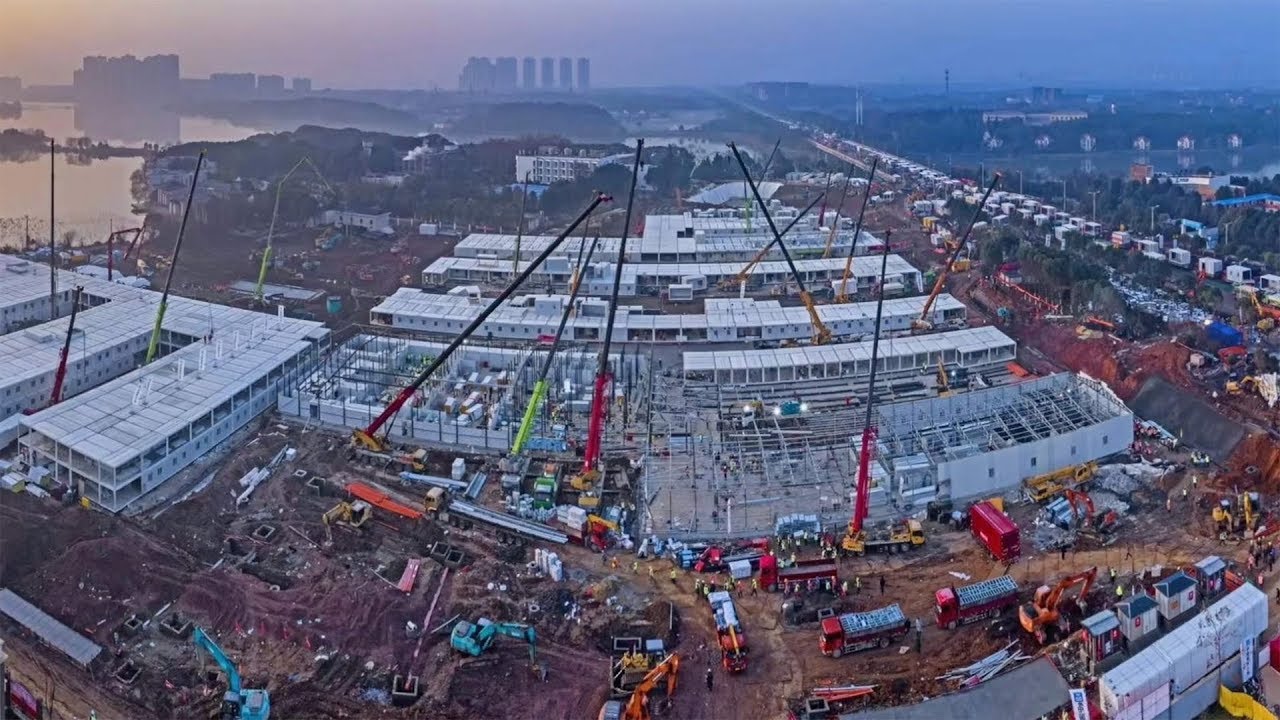
While in the rest of the world building a hospital takes years from design to inauguration, China erected the Huoshenshan Hospital from scratch in just 10 days, with 1,000 beds, foundation, structure, electrical installations, plumbing, and oxygen system ready to receive patients, mobilizing 7,000 workers.

-
Without mortar, grout, or traditional construction: the ClickBrick system assembles brick facades with ceramic pieces held by metal clips, eliminating the need for glue, speeding up installation, and even allowing everything to be dismantled later without turning the construction into expensive permanent debris.



The terminal in Palmeirante will be strategic for distribution logistics, with road and rail connections, including to VLI’s network to the Port of Itaqui, where Ultracargo plans to expand its operations. “We are transforming Ultracargo into a reference for integrated logistics solutions, promoting efficient connections between the coast and the interior of the country,” says Leopoldo Gimenes, Chief Operations and Engineering Officer at Ultracargo.
Connection and Capacity
With a storage capacity of 23,000 m³, the terminal has the potential to start operations in early 2025, strengthening the supply infrastructure in the region and contributing to the efficiency of liquid bulk transportation with greater safety and sustainability.
The Expansion of Ultracargo
Ultracargo already operates terminals in strategic locations such as Rondonópolis, Santos, Rio de Janeiro, Aratu, Suape, Itaqui, and Vila do Conde, and holds 50% of Opla, an ethanol terminal in Paulínia. With over 1 million cubic meters of static capacity, the company stands out in the national and international scene for its operational excellence and commitment to sustainability.
The new terminal in Palmeirante marks another milestone in Ultracargo’s journey, which, with almost 60 years of history, reaffirms its role as a leader in logistics solutions and liquid bulk storage, contributing to the energy and logistical transformation of Brazil.
Source:
| Marina GoulartPR Assistance – Private Area. |




Be the first to react!