Portuguese
  Spanish


Panamanian Coffee Sold for US$ 10,000 Per Kilo Surpasses Exotic Competitors and Earns Title of Most Expensive in the World — Without Use of Animals and with Artisan Production in the Mountains.
One kilo of Elida Geisha Natural Torre coffee was sold for US$ 10,013 (about R$ 55,000) at an international auction, earning the title of the most expensive coffee in the world. The variety, produced by Lamastus Family Estate, surpassed well-known names in the industry and established itself as one of the greatest jewels of the luxury agribusiness.
The sale was not made to a single buyer, but divided among several companies specializing in high-quality coffee. The lot was distributed among renowned brands such as Saza Coffee (Japan), Grand Cru Coffee (Australia), Paradise Coffee Roasters (Hawaii), and Ruliweb (China).
The Most Expensive Coffee in the World and Its Exotic Competitors
The Elida Geisha Natural Torre has outperformed already famous blends for their high prices, such as Kopi Luwak and Black Ivory, both with quite unusual production methods.
-
Brazilian Agribusiness Sets Record with $169 Billion in Exports in 2025

-
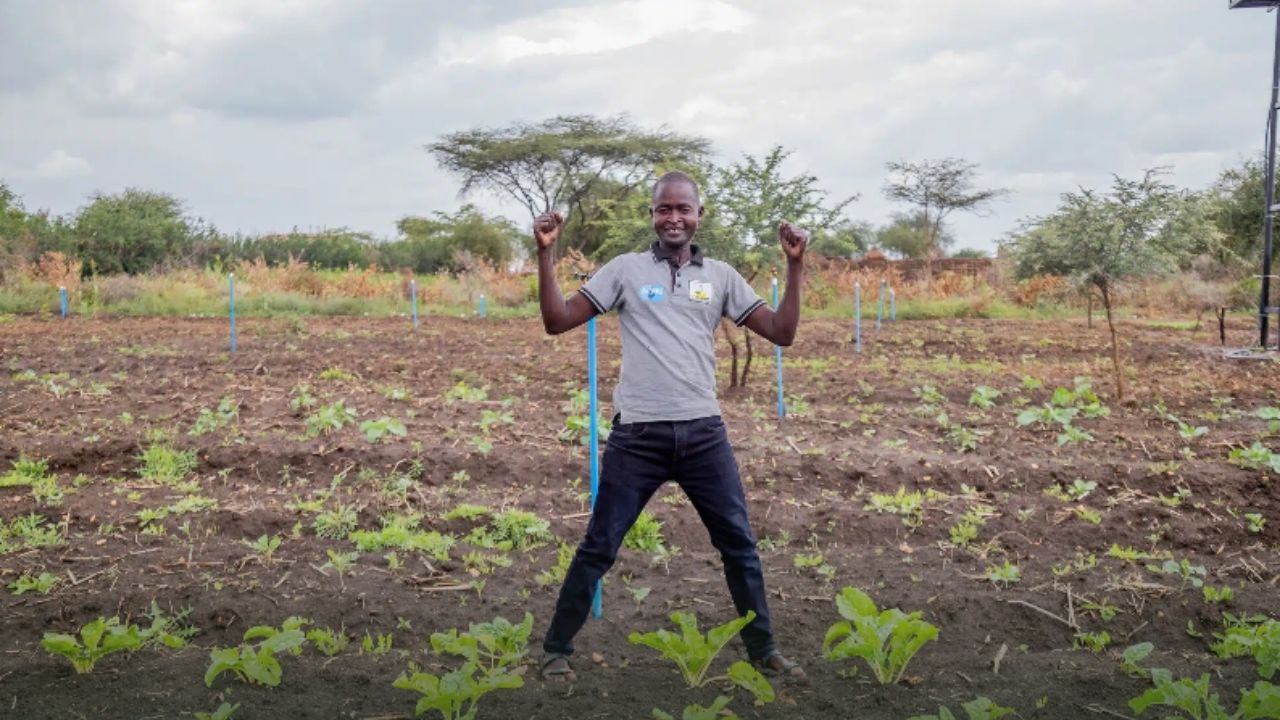
Solar-powered irrigation transforms agriculture, boosts family income, and enhances food security in Uganda.

-
Brazil Supplies 70% of the World’s Orange Juice, Prices Double Due to Pest Outbreak

-
Brazilian Scientists Develop World’s First Tropical Wheat for Biscuit Production, Yielding Up to 150 Bags per Hectare and Highly Resistant to Common Crop Disease






- The Kopi Luwak from Indonesia is produced from beans that pass through the digestive system of the Asian palm civet. It can cost up to US$ 1,200 per kilo.
- The Black Ivory from Thailand involves Asian elephants, whose digestive enzymes alter the chemical composition of the bean, resulting in a coffee described as complex, with notes of cocoa, tobacco, red cherry, and grass. Its price can exceed US$ 2,500 per kilo.
Despite the fame of these coffees, they face criticism from activists for involving the use of animals in the process. The Elida Geisha, on the other hand, does not use any animal methods in its production, making it a more ethical option in the superpremium coffee segment.
How Elida Geisha Natural Torre Is Produced
The Lamastus Family Estate, responsible for creating the variety, operates on three farms located between 1,600 and 2,500 meters above sea level, on the slopes of Monte Baru in Panama — the highest point in the country and also an active stratovolcano.
The altitude, volcanic soil, and stable climate create ideal conditions for growing Geisha beans, a variety already recognized for its aromatic complexity and high scores in quality contests.
The beans are hand-harvested, stored for five days in airtight containers, and then undergo a slow drying process of up to 40 days. This prolonged method enhances sensory notes such as cherry, lemongrass, and peach, characteristics that attract buyers willing to pay high prices for a truly exclusive coffee.
International Recognition and Centenary Tradition
The reputation of Elida Geisha was solidified by winning the “coffee” category of the prestigious The Best of Panama competition in 2018, 2019, and 2024. The award is considered one of the most relevant in the global coffee sector and plays a central role in valuing Panamanian coffees.

Lamastus Family Estate was founded in 1918 by Robert Lamastus, an immigrant from Kentucky (USA), and is now run by his direct descendants. With over 100 years of history, the company combines tradition, innovation, and strict quality control to compete at the top of the global market.
Panama on the Luxury Agribusiness Map
Although it is not one of the largest coffee exporters by volume, Panama has become a reference for quality, especially with Geisha varieties. According to the International Trade Administration, the country exports more than 50,000 bags of 60 kg of coffee annually and attracts tourists with itineraries that include guided tours of farms, tastings, and sensory experiences.
This model, which combines rural tourism, excellent coffee, and added value, strengthens the local agricultural sector and places the country on the route of luxury agribusiness — a growing trend that values handmade, rare products with stories to tell.
A Drink with Relic Value
The sale of Elida Geisha for over US$ 10,000 per kilo highlights not only the prestige of Panamanian coffee but also the advancement of a market niche where experience and exclusivity are valued more than quantity.
With its controlled origin, innovative fermentation process, and limited distribution, this variety is treated by collectors and experts as a relic of modern agribusiness.