






 Portuguese
  Spanish


The crust that opened like a fan
A new study claims that Antarctica hides, beneath the ice, a gigantic structure the size of a continent. According to the research, published in the journal Nature Geoscience on June 3, 2026, the large basins of East Antarctica are not isolated geological accidents, but part of a single enormous fan-shaped tectonic province. The conclusion was reached by combining subglacial topography, gravity, and magnetism data.
According to the material, this immense scar on the continent would be the result of a process called distributed rotational extension. The origin would be linked to the fragmentation of the ancient supercontinent Gondwana and the separation between Antarctica and Australia, which stretched and fractured the crust now hidden under kilometers of ice. Understanding this hidden mold, scientists say, can help predict how the ice will respond to global warming.
The secret hidden beneath Antarctica’s ice
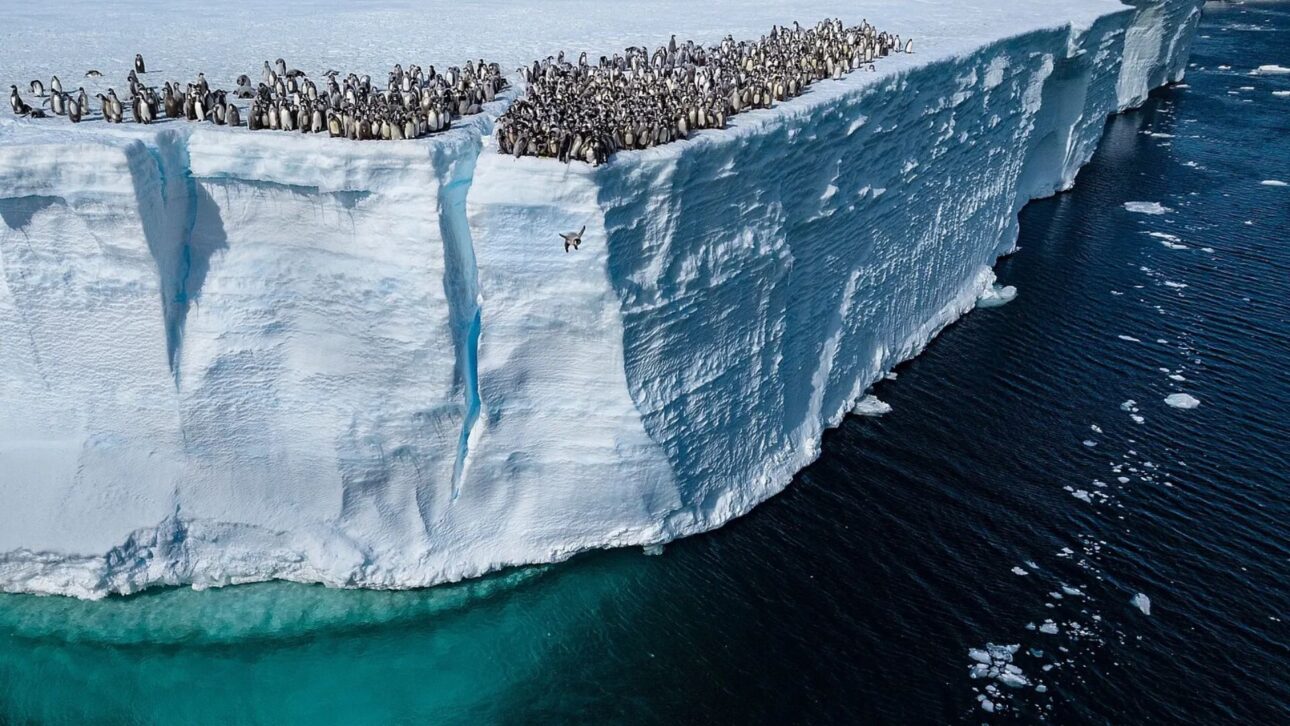
For decades, mapping of Antarctica revealed huge depressions and lakes beneath the ice, treated as loose pieces of a geological puzzle. According to the report, the new study changed this view by proposing that the large basins of East Antarctica are part of a single and gigantic tectonic province. The analysis combined subglacial topography, gravity, and magnetism data.
-
General Motors Halts Self-Driving Car Service After $10 Billion Investment Following Pedestrian Incident in San Francisco

-
Scientists Discover Mysterious Black Fungus Thriving in Chernobyl for Nearly 40 Years, Challenging Extreme Radiation and Potentially Revolutionizing Space Missions

-
Antarctica’s Blood Falls: Scientists Uncover a 1.5-Million-Year-Old Isolated Ecosystem, Shedding Light on Potential Ice Changes
-
Mati Carbon Wins $50 Million Prize for Boosting Harvests and Capturing Carbon by Distributing Free Basalt Dust to Small Farmers in India and Africa


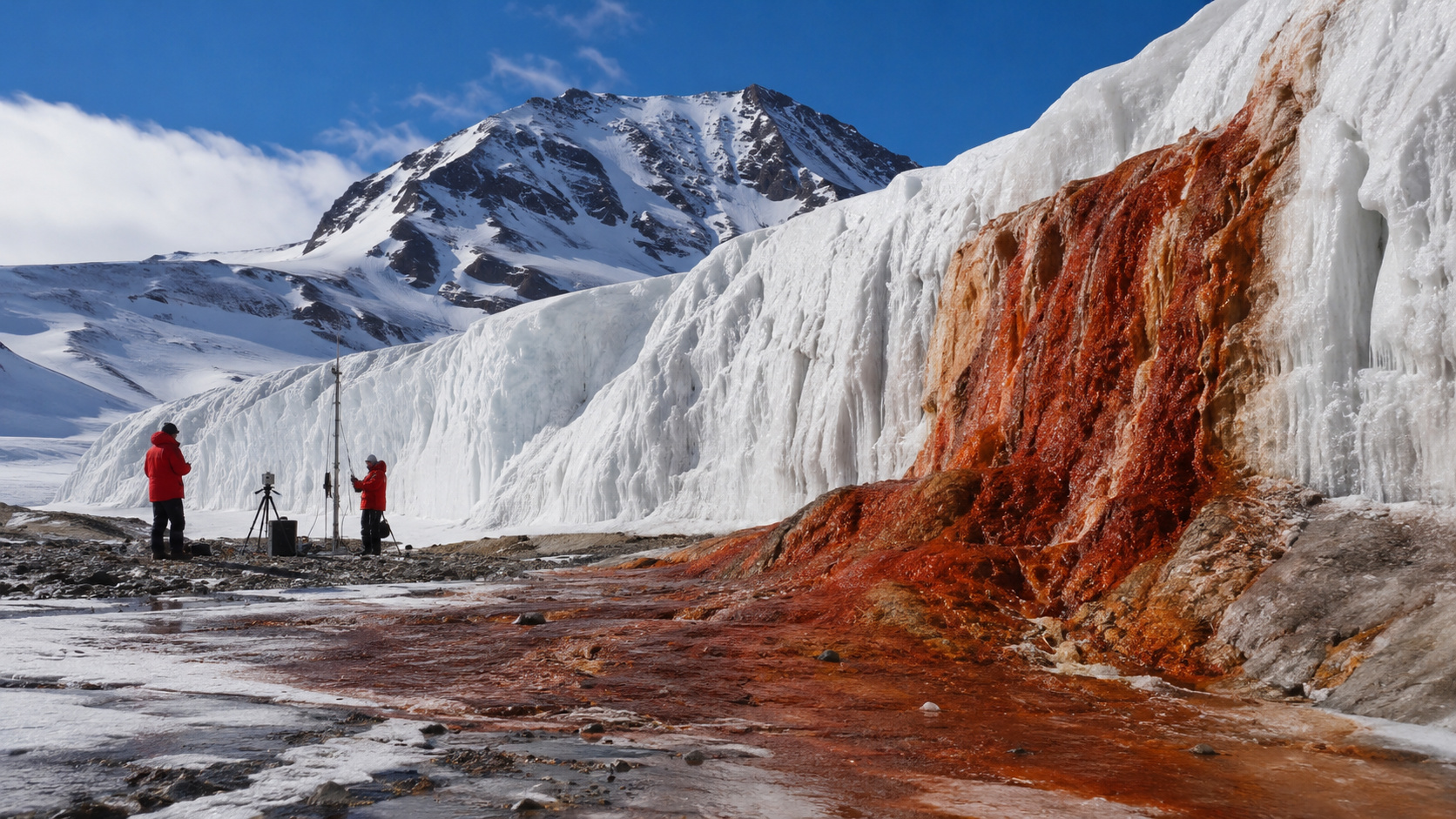

The central proposal is that this entire vast region of Antarctica results from a process of distributed rotational extension. Published in Nature Geoscience, the work suggests that structures previously seen in isolation, such as the Wilkes and Aurora basins, actually belong to the same large tectonic framework. It’s a new way of seeing what exists under the ice layer.
The crust that opened like a fan
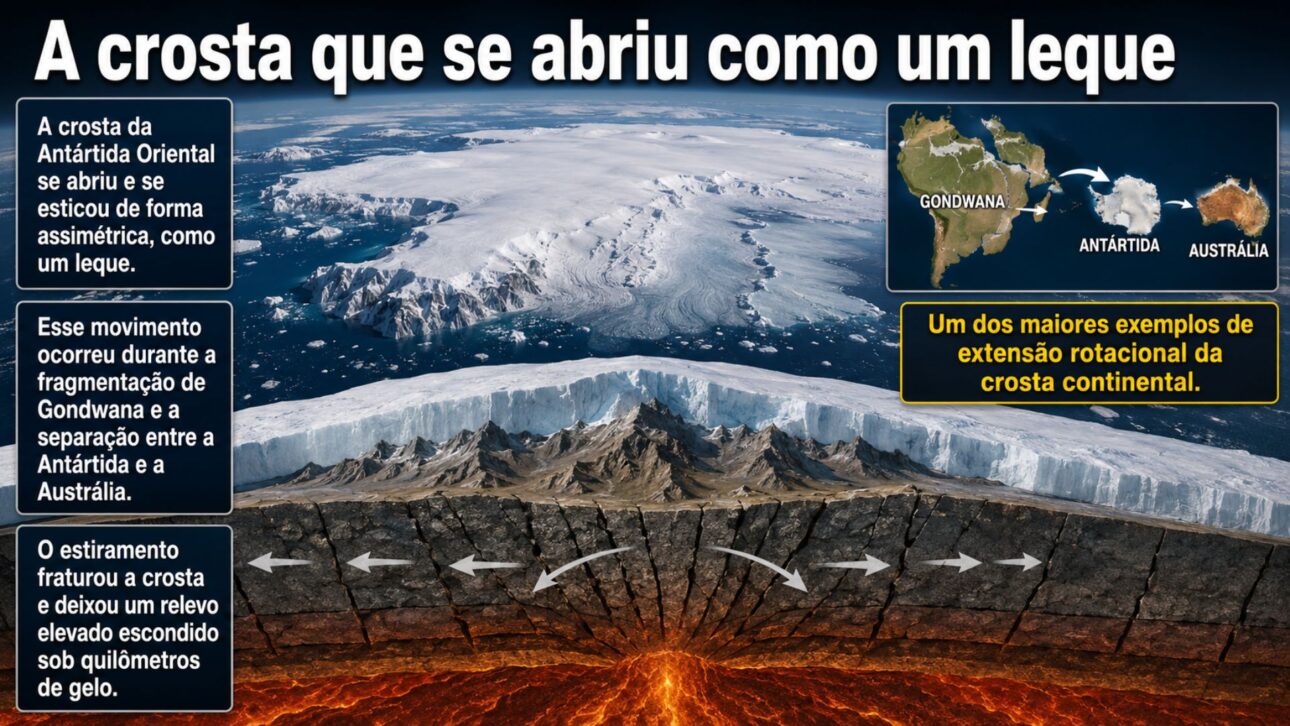
To understand the model, imagine the Antarctic crust opening and stretching asymmetrically, like a fan unfolding. According to the study, this colossal tectonic movement would have transformed East Antarctica into one of the largest known examples of rotational extension in continental crust on the entire planet. Therefore, it would not be a small or local phenomenon.
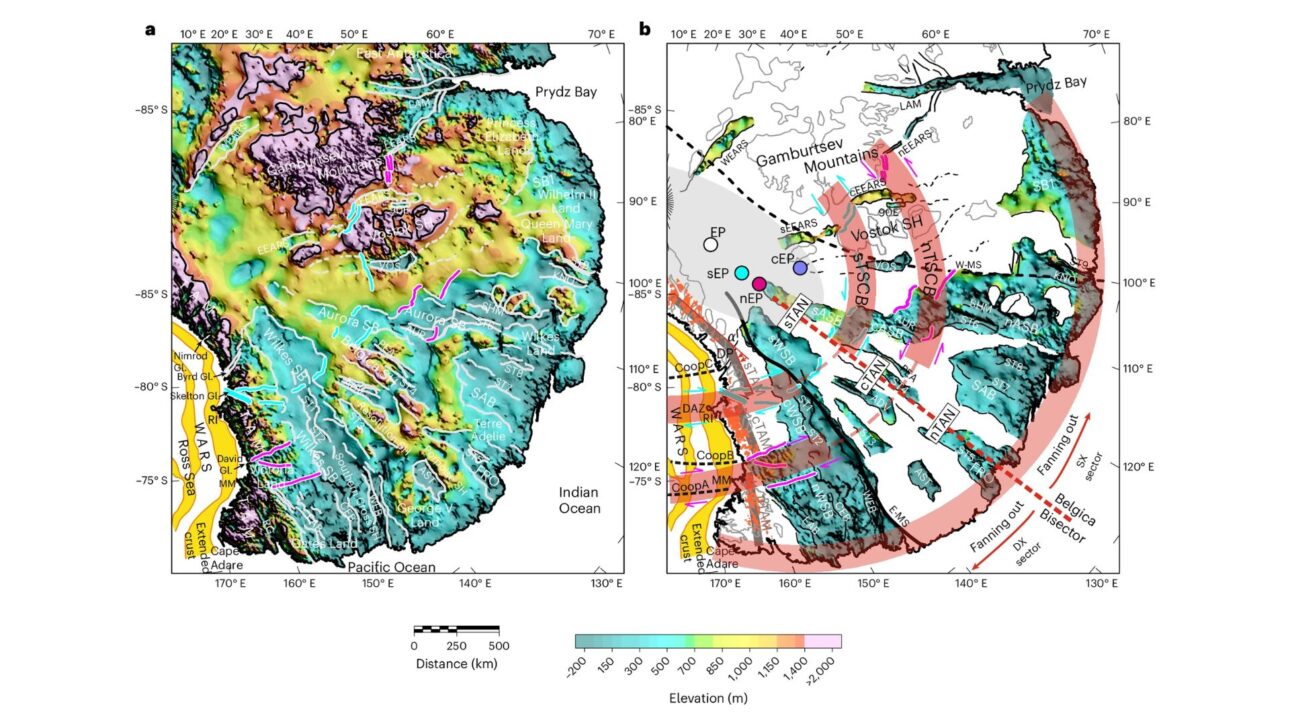
The origin of this mark on the continent is linked to the deep history of the Earth. According to the material, it refers to the tectonic phases associated with the fragmentation of the supercontinent Gondwana and the separation between Antarctica and Australia. As the land masses drifted apart, the crust stretched and fractured, leaving an elevated topography that today remains hidden under kilometers of ice.
Why this matters for global warming
Besides its geological value, understanding this structure of Antarctica has a practical and urgent application. According to the material, Antarctica functions as the Earth’s great thermostat, and its stability is crucial in the face of climate change. The topography under the ice acts as a mold that conditions what happens on the surface.
This hidden relief helps control the flow of glaciers and the distribution of lakes and basins under the ice. Therefore, according to the research, to accurately predict how Antarctic ice will respond to global warming and flow towards the ocean, it is necessary to know in detail the tectonic plumbing on which it rests. The mold, in the end, helps explain the movement of the ice.
What science still doesn’t know
Despite unifying such large structures, the study on Antarctica maintains scientific caution. According to the material, although it manages to bring together under the same theoretical model massive basins like those of Wilkes and Aurora, the authors acknowledge that much remains open. The proposal organizes the framework, but does not close all the answers.
The main questions involve the timing and the reason for this crustal movement. According to the research, the exact age at which this fan-shaped province formed and the detailed geodynamic mechanism that triggered it largely remain open questions. Much work will be needed to accurately determine when the movements of the Antarctic crust occurred.
The new reading of Antarctica transforms a jumble of isolated basins into a single grand tectonic story, written millions of years ago and preserved under the ice. If confirmed and detailed by new research, it could refine predictions about the future of Antarctic ice on a warming planet. For now, it remains a portrait of a continent that still holds many secrets.
And you, did you imagine that under the ice of Antarctica there was a structure of this size? Share your thoughts and exchange ideas with other readers, respecting different opinions.


