Portuguese
  Spanish


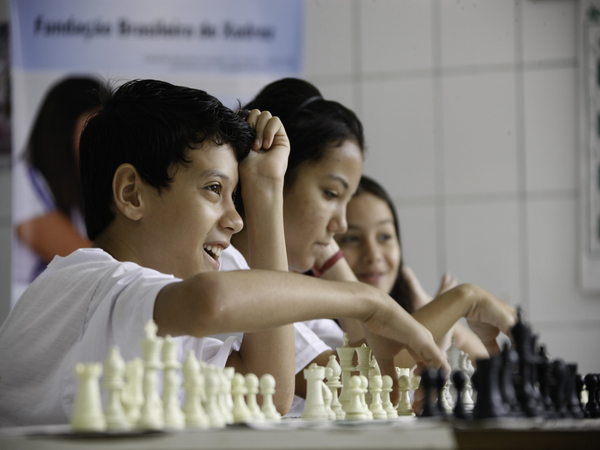

A Significant Partnership Involving Petrobras and UNESCO Was Established with the Future of Children in Brazil in Mind
UNESCO and Petrobras have signed a cooperation agreement for the project “Early Childhood First.” This social development initiative focuses on improving public policies and social assistance services for early childhood (0 to 6 years and pregnant women).
Read Also
- 26 Thousand Children from Macaé and Rio de Janeiro Benefited from Ocyan’s Social Responsibility Program
- Court Orders Preventive Detention of Suspects for Fuel Theft from Transpetro
- Work Safety Criteria That You Cannot Ignore
- Do Offshore Companies Not Call You for a Job Interview? CPG Talked to Some to Find Out Why
Three and a Half Years of Partnership Between UNESCO and Petrobras
The action will be divided into three phases, lasting 43 months. The first phase aims to identify best practices from civil society organizations (CSOs) working in early childhood; the second aims to recognize best practices related to the theme, and the third phase involves conducting an external evaluation of the project.
The UNESCO project aims to qualify representatives of 210 CSOs located in 15 municipalities, spread across the states of São Paulo, Rio de Janeiro, and Espírito Santo, and in at least one municipality in the states of Rio Grande do Norte and Sergipe.
-
Brazilian City Makes Remarkable Leap, Becomes 4th Wealthiest in the Country with GDP of R$ 134.1 Billion

-
Controversial 6-day Workweek Elimination in Brazil Faces Economic Criticism Over Productivity Claims

-
Itaú to Refund Customers After 14 Years of Unauthorized Credit Card Charges; Agreement Includes No Interest or Adjustments, Deadline by 2028, with Potential Impact of Up to $6.5 Billion

-
Brazilian Company Grows from Bartering Soap for Food to Producing 30 Million Units Monthly, Challenges Global Giants with $100 Million Revenue and Expands into Premium Cosmetics



What Are the Selection Criteria of UNESCO and Petrobras?
Among the selection criteria for the locations, it is necessary that Petrobras already operates in the municipality and, at the same time, the presence of social assistance CSOs that serve the child population. The selection will take place after the preparation of the project’s educational material in 2021. If it is not possible to complete the 210 CSOs in the 15 municipalities, the initiative will be expanded to other locations.
Next year, a 40-hour in-person course will be held, divided into 32 hours of specific content on Early Childhood and 8 hours on how organizations should adapt to the new legal framework of Early Childhood involving Petrobras and UNESCO, known as Law No. 13.019 / 2014.
An online course (EAD) will also be made available on the digital platform on the Ministry of Citizenship’s website (in Portuguese), with the same content as the in-person course.
The Private Network of Social Assistance of the Unified Social Assistance System (SUAS) is made up of civil society organizations that perform social assistance functions. The CSOs recognized by social assistance provide public services. They may receive public funds or obtain funds from other sources (donations, financial revenues, events, etc.).
CSOs play a complementary role to the direct action of the State, and thus are understood as strategic and co-responsible partners in the process of ensuring social rights. The regulations of social assistance policy allow social assistance CSOs to provide some of the services, programs, and projects foreseen in the range of social assistance policy offerings.