






 Portuguese
  Spanish


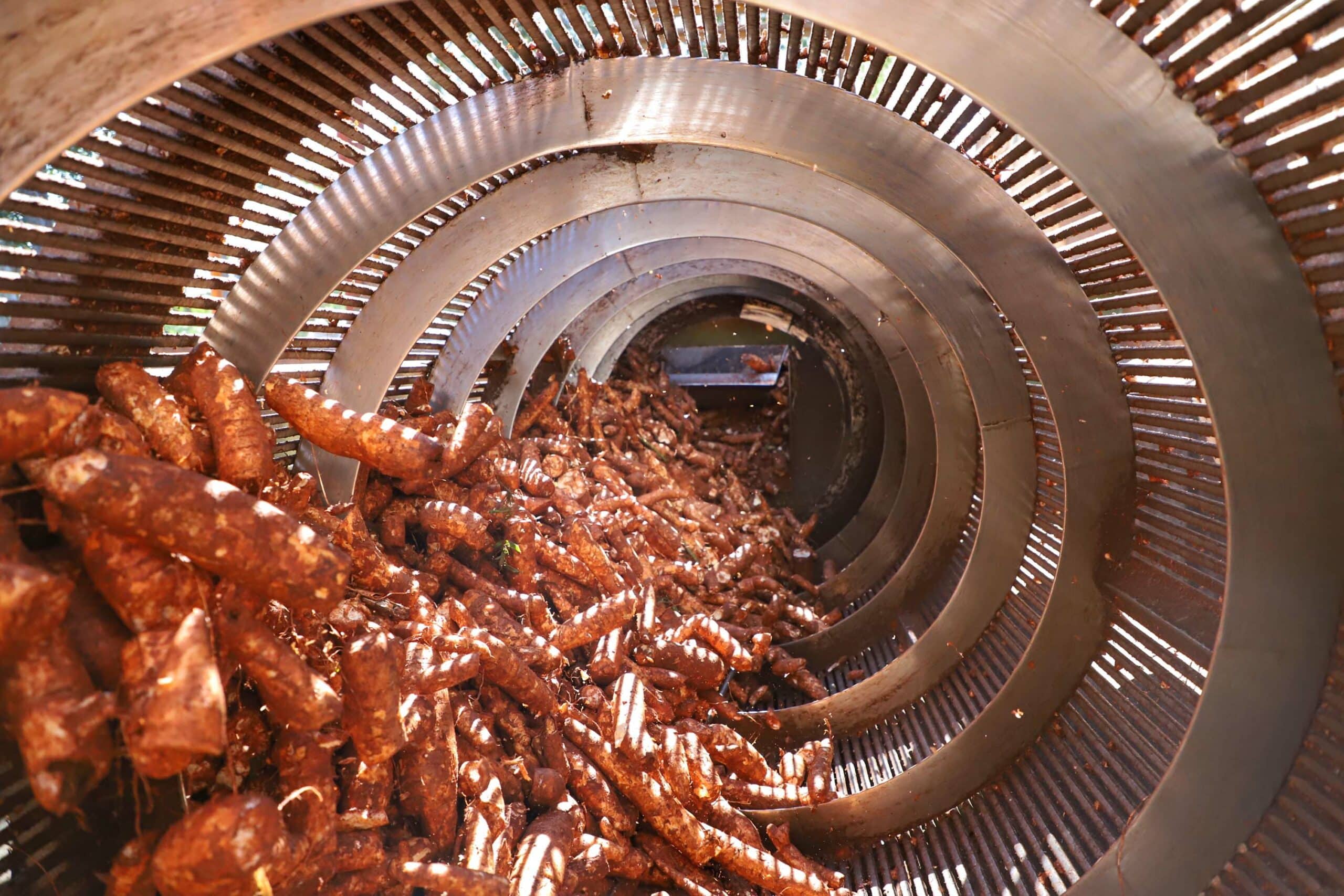

University of PR Is Investing in Renewable Energy That Can Be Generated from Hydrogen and Manioc Starch. The Study Began in 2017 and the State Is One of the Main Brazilian Producers of Manioc Starch, with 70% of the Country’s Volume.
Derived from the production of agro-industries spread across the Northwest, East, and West of PR and used in the textile, glue, paper, and paint industries, manioc starch is the subject of research conducted at a university in the state. The project is linked to the research directory of CNPq and the Center for Technology and Urbanism (CTU) in the Environmental Engineering sector at the State University of Londrina (UEL).
Read Also
Project to Produce Renewable Energy Using Hydrogen and Manioc Starch Started in 2017
According to Deize Dias Lopes, project coordinator, the University of PR started working on hydrogen and methane production at the end of 2017. The professor states that hydrogen-related studies are in the initial phase worldwide, but methane generated from manioc starch has been studied for several years.
Doctoral student Isabela Bolonhesi is producing a thesis on the generation of renewable energy from hydrogen and manioc starch. She analyzes the anaerobic decomposition process of the wastewater present in manioc starch. According to the doctoral student, through this process, which is divided into two phases, there is a possibility of extracting the biogas from the breakdown.
-
Brazil to Hold First Auction for Batteries to Store Solar and Wind Energy from the Northeast

-
Brazilian scientists are simultaneously advancing two research projects on clean hydrogen and driving solutions that could transform the energy matrix, enhance industrial competitiveness, and accelerate large-scale emission reduction targets.

-
Advancement in renewable energy: A R$ 150 million project launched by Petrobras and Finep aims to create state-of-the-art electrolyzers for green hydrogen, strengthening national research and preparing Brazil to compete in a billion-dollar energy market.
-
Illiterate or semi-literate grandmothers were trained to repair solar systems, open rural workshops, and light up homes that still depended on kerosene.
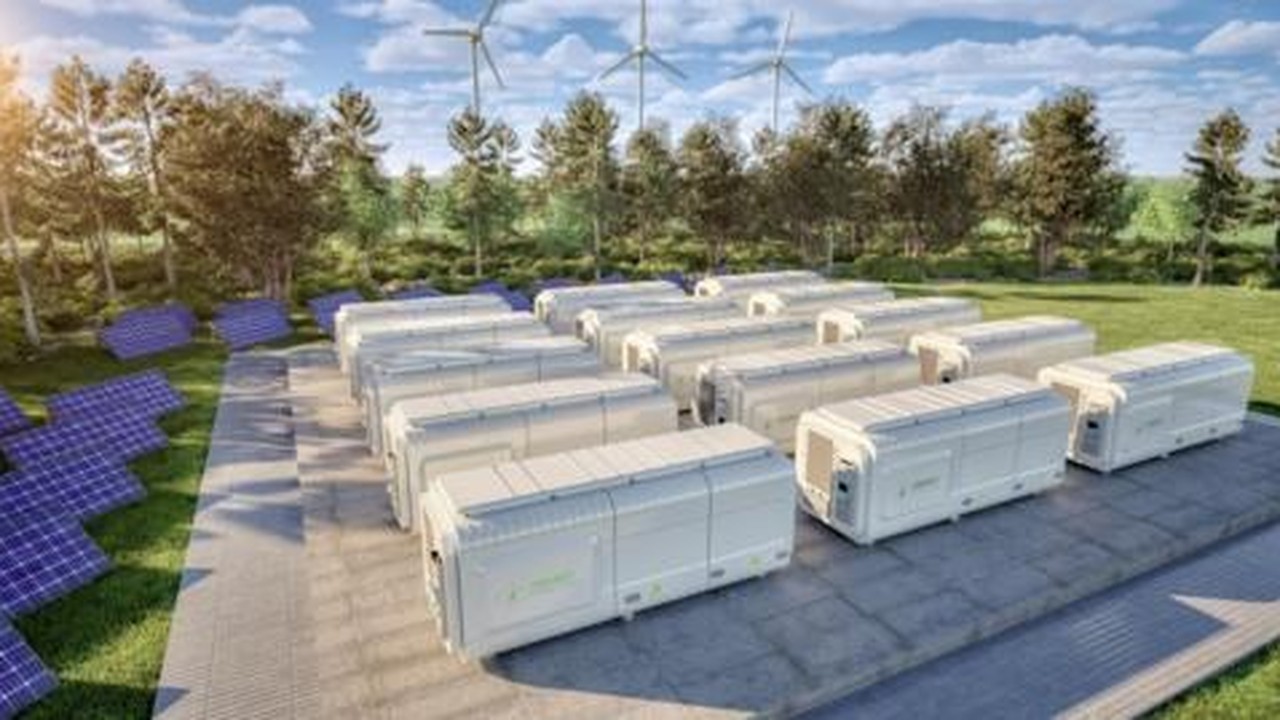



Study from the University of Londrina Has Great Potential to Generate Renewable Energy
One of the main points of the University of Londrina’s research on hydrogen and manioc starch is the focus on producing renewable and clean energy, especially in a scenario of water crisis that the country is facing and needs to revise its energy matrix, according to the researcher. Last year, PR generated 300 thousand tons of manioc starch.
The liquid effluents from this generation, if transformed into biofuel, can generate about 15 GW of renewable energy annually. The production of bioenergy through methane gas in the country is still taking its first steps. We have an average production of 0.9% of renewable energy generated from this source.
The biofuel, when treated properly, has a reduction of its organic load, which also reduces its environmental impact when disposing of this effluent into nature. Although the residue is properly disposed of, it takes up space in a landfill, so it is a total reuse of the production.
Economic Viability in the Production of Biogas from Manioc Starch
Another research related to the project is the thesis of Ivan Taiatele Junior. The study assesses the economic viability of energy reuse of the residues for companies of various sizes.
Therefore, in this sense, Deize emphasizes that for small starch producers who intend to export their production, there is a possibility of uniting to participate in the circular economy.
This is an opportunity moment because China has acquired the starch production from Thailand, and consequently, Brazil should hit records in the export of the product. Large producers already export their production mainly to China. For small producers to find competitiveness, this is the chance.





